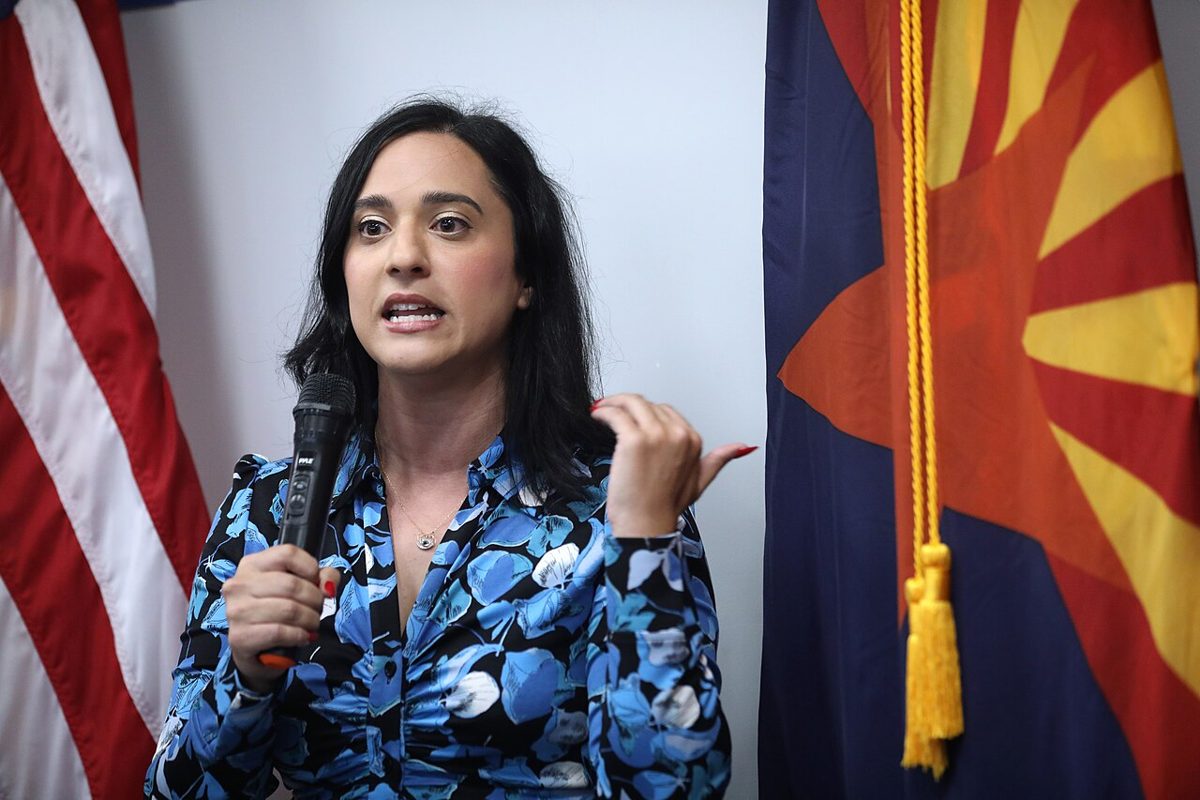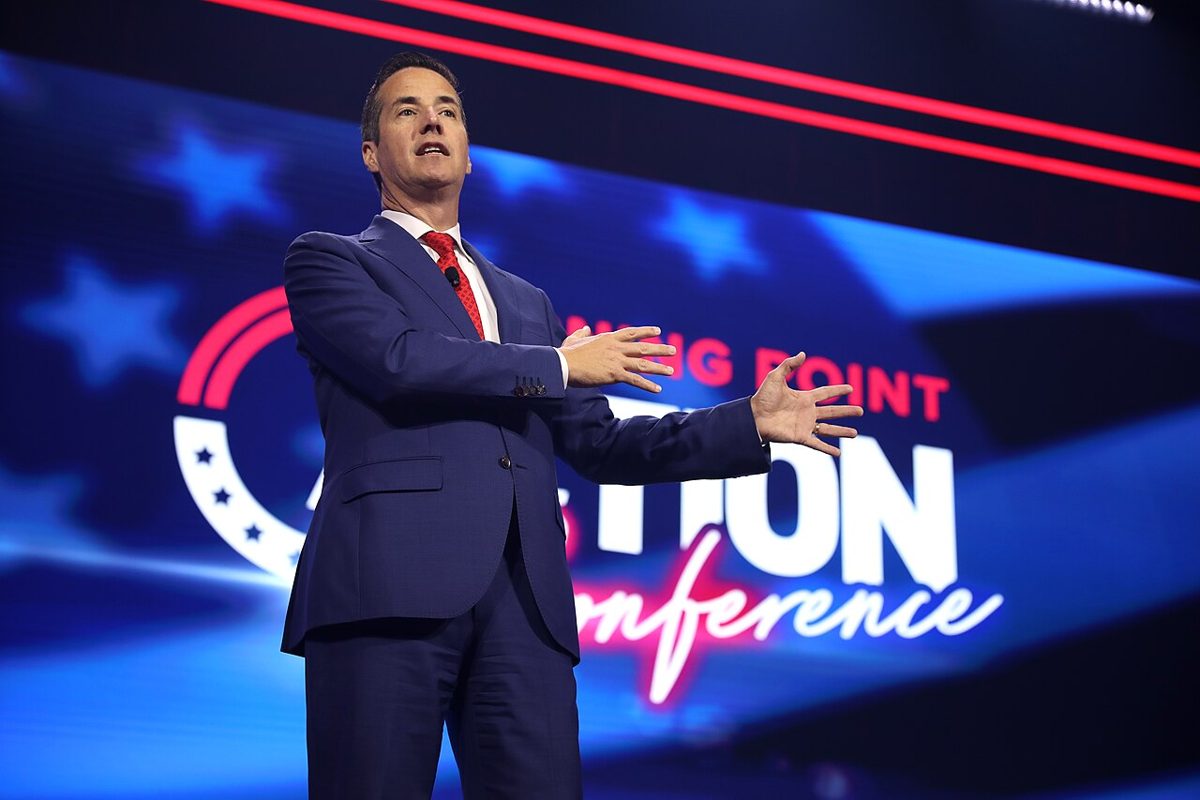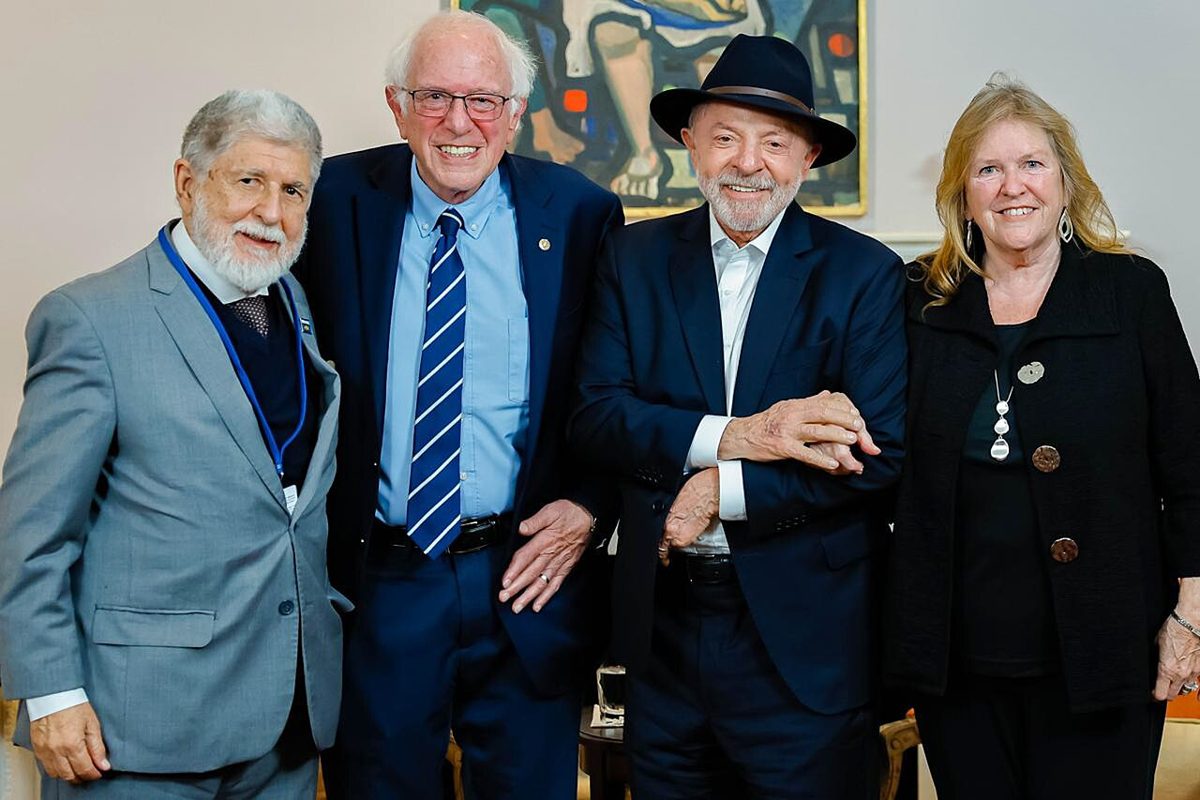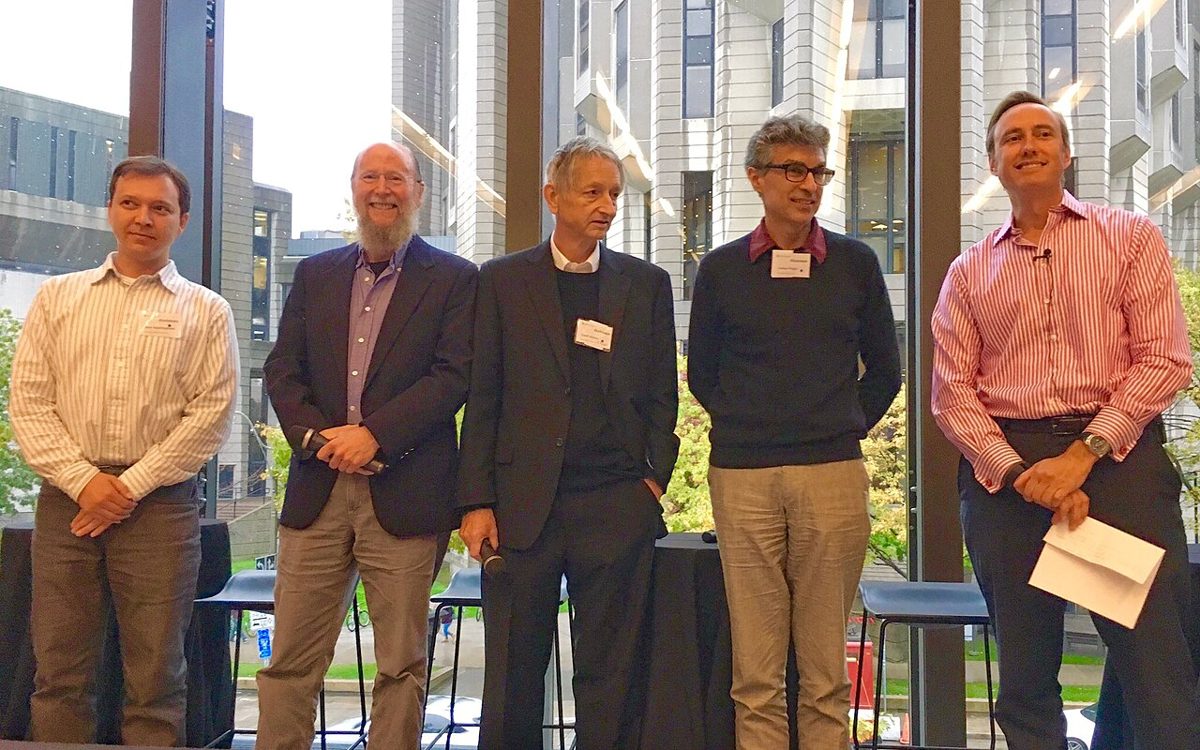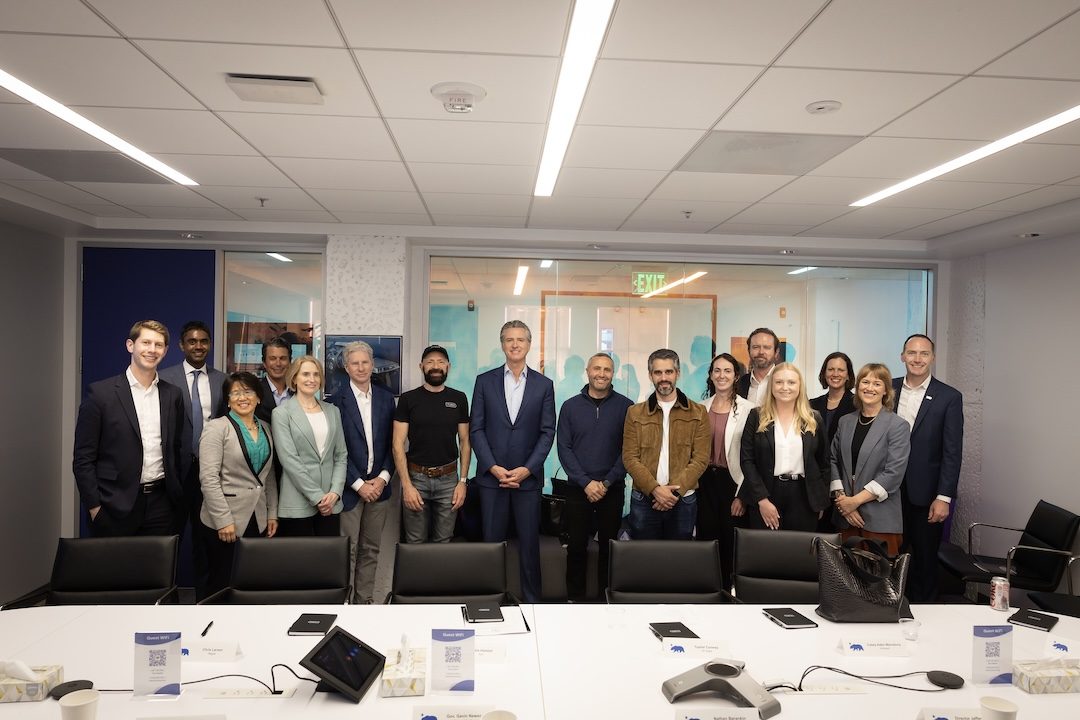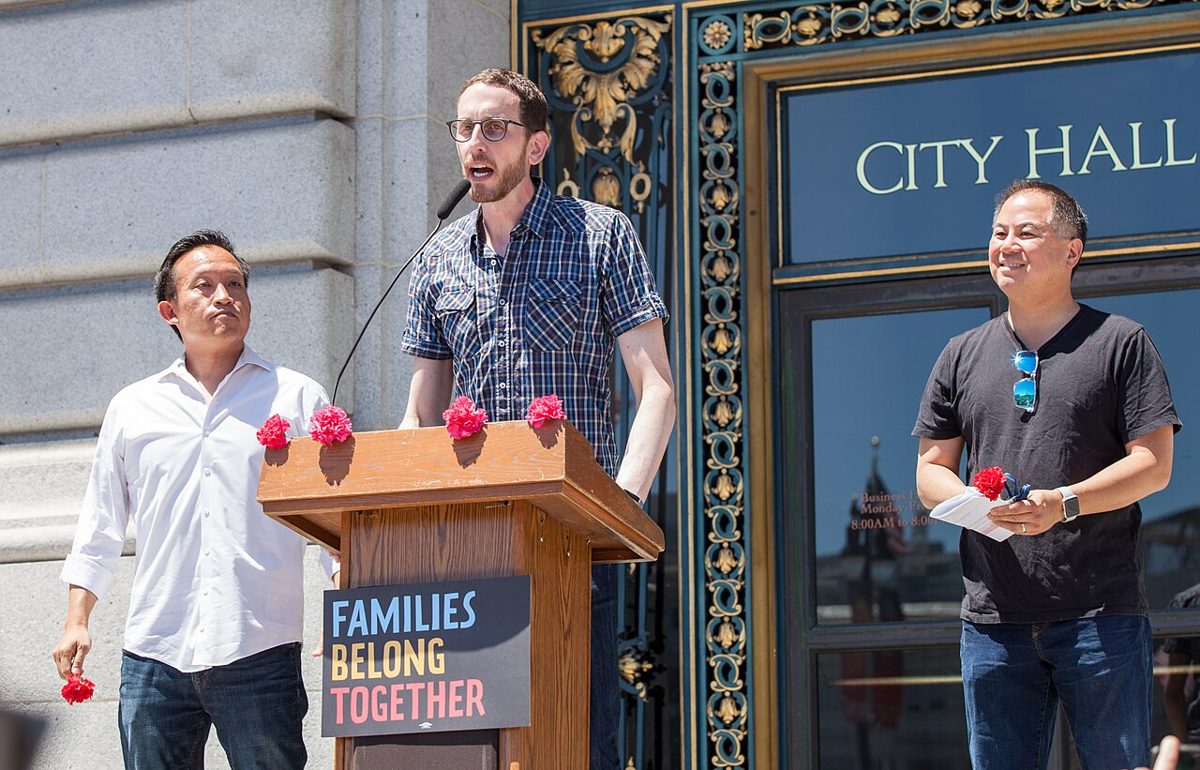
Scott Wiener, who wrote California's AI safety law, declares victory for Pelosi's House seat
His platform would let courts halt a lab's AI development and expand unemployment benefits for workers AI displaces.
What governments and lawmakers are saying and doing about AI, from the White House to state capitals and the United Nations, newest first.
69 stories · newest
His platform would let courts halt a lab's AI development and expand unemployment benefits for workers AI displaces.
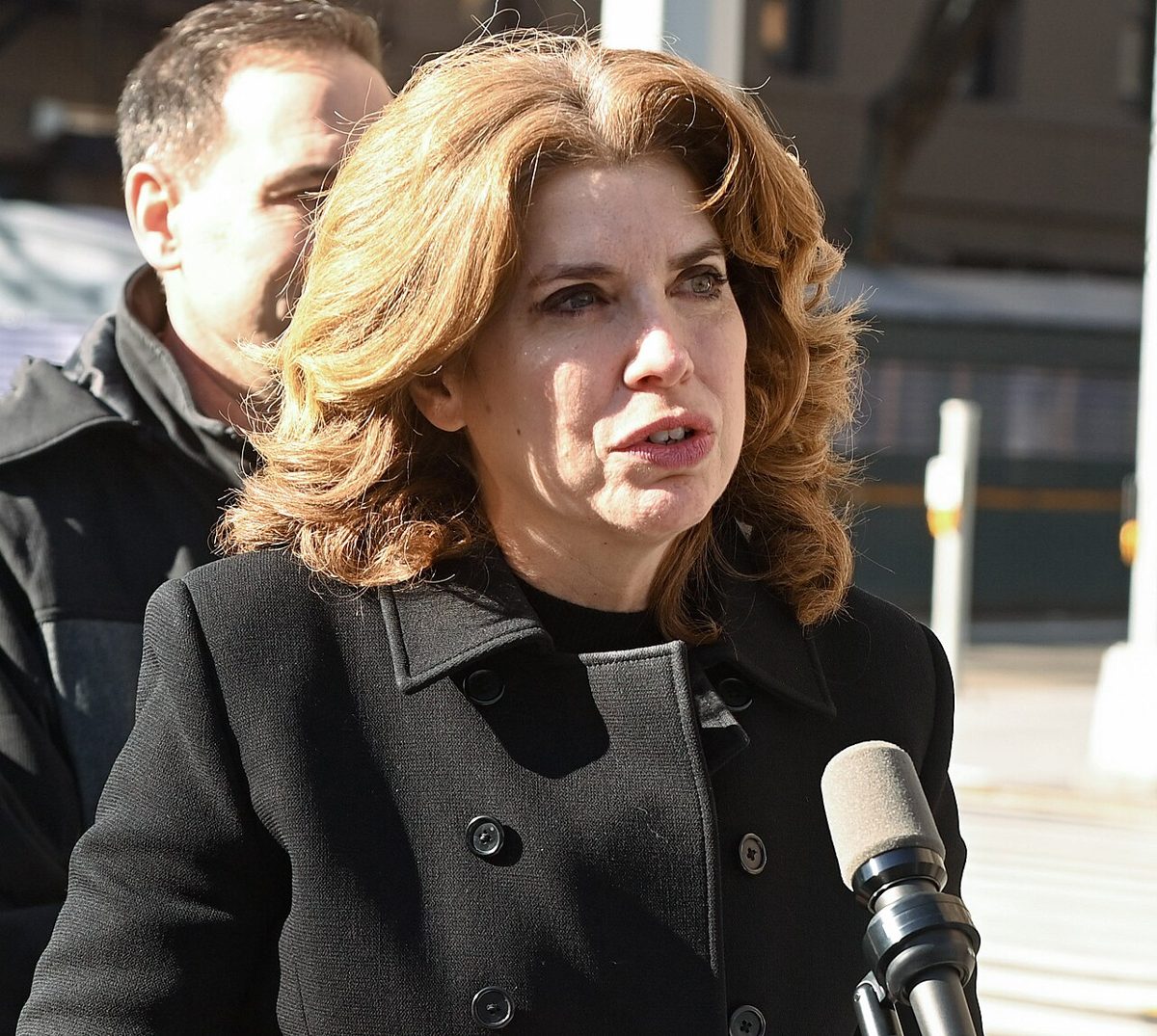
In September she asked Trump for global AI talks. Now she wants Congress to stop advanced development outright.
The label only kicks in when AI misleads buyers about the product itself, and the fine tops out at $3,000.
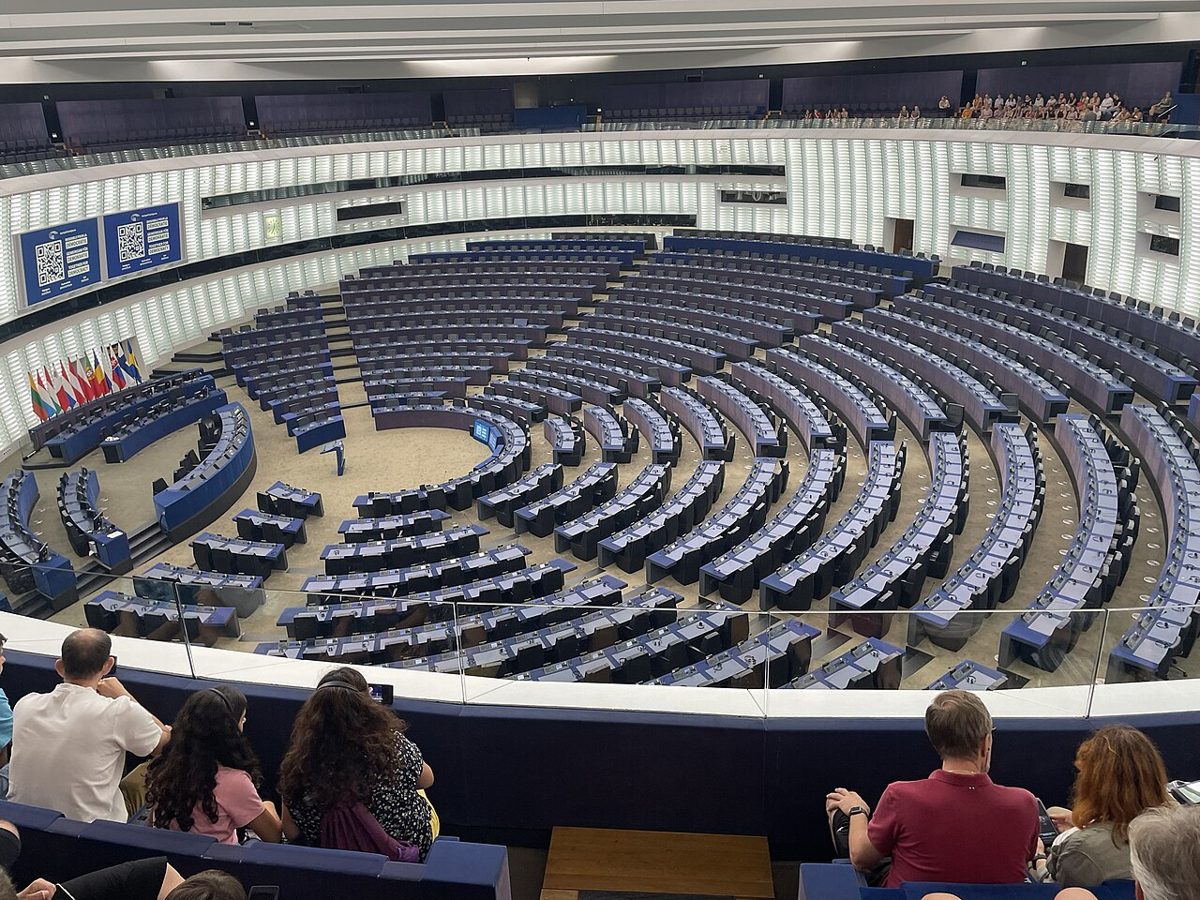
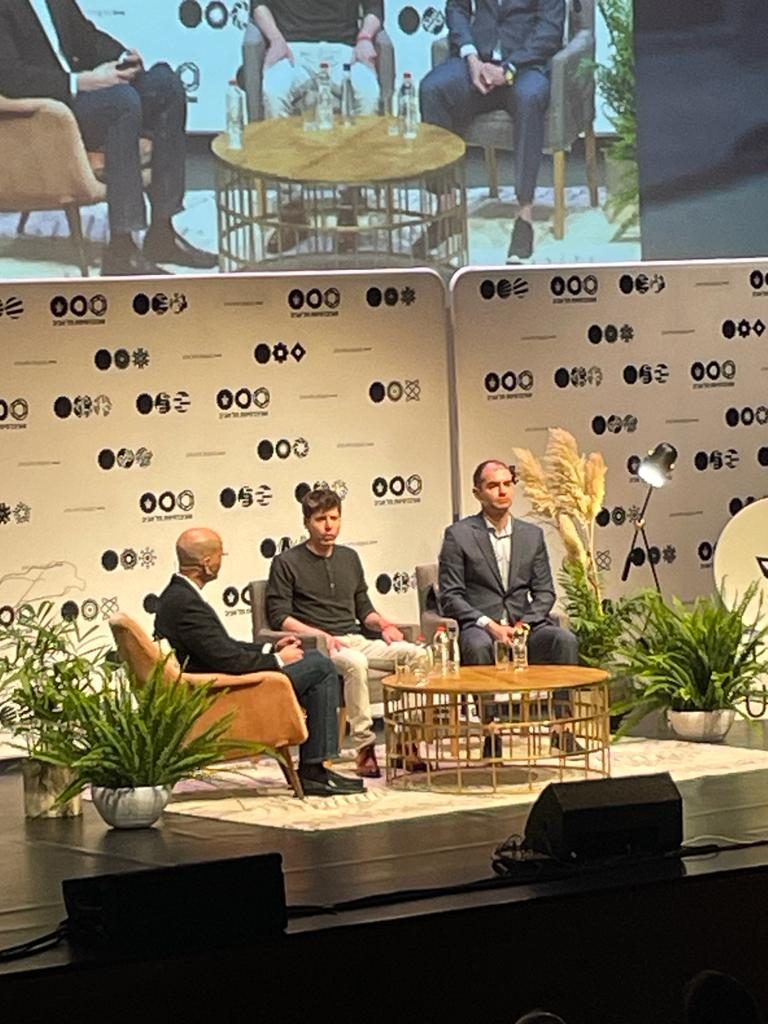 Photo: Eladkarmel, CC BY-SA 4.0
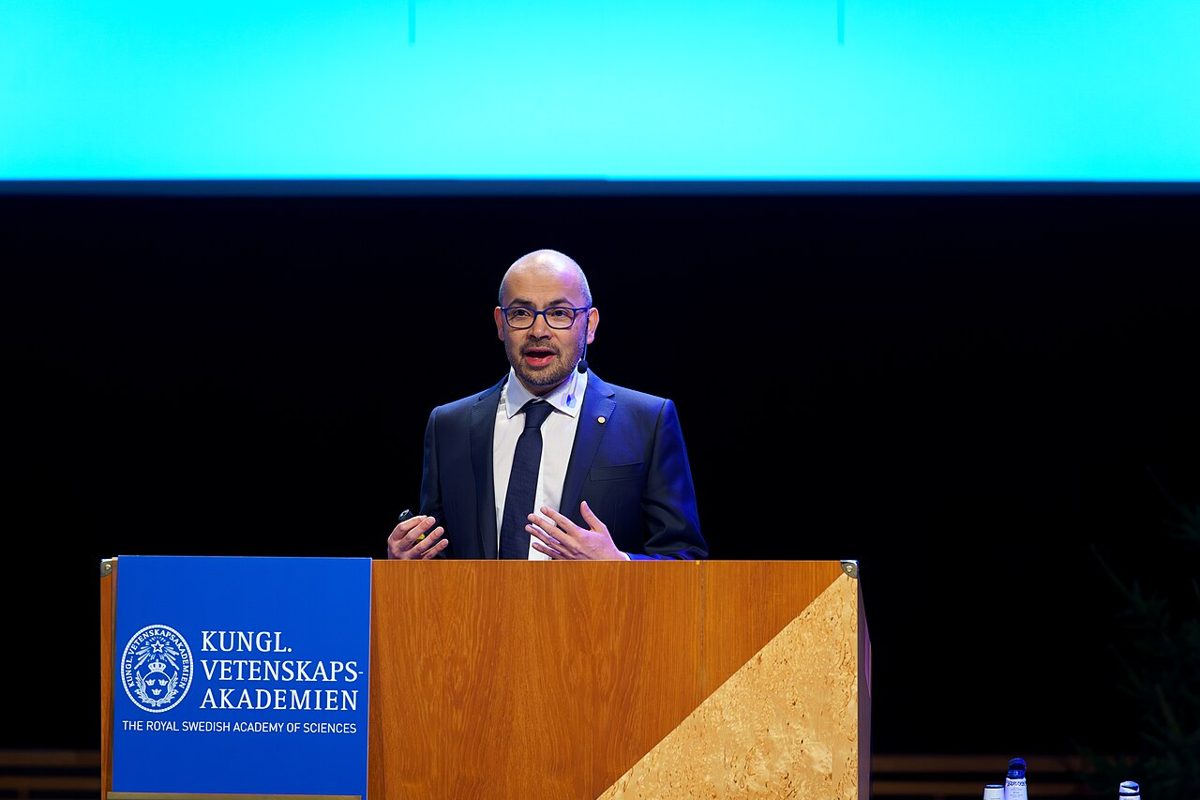
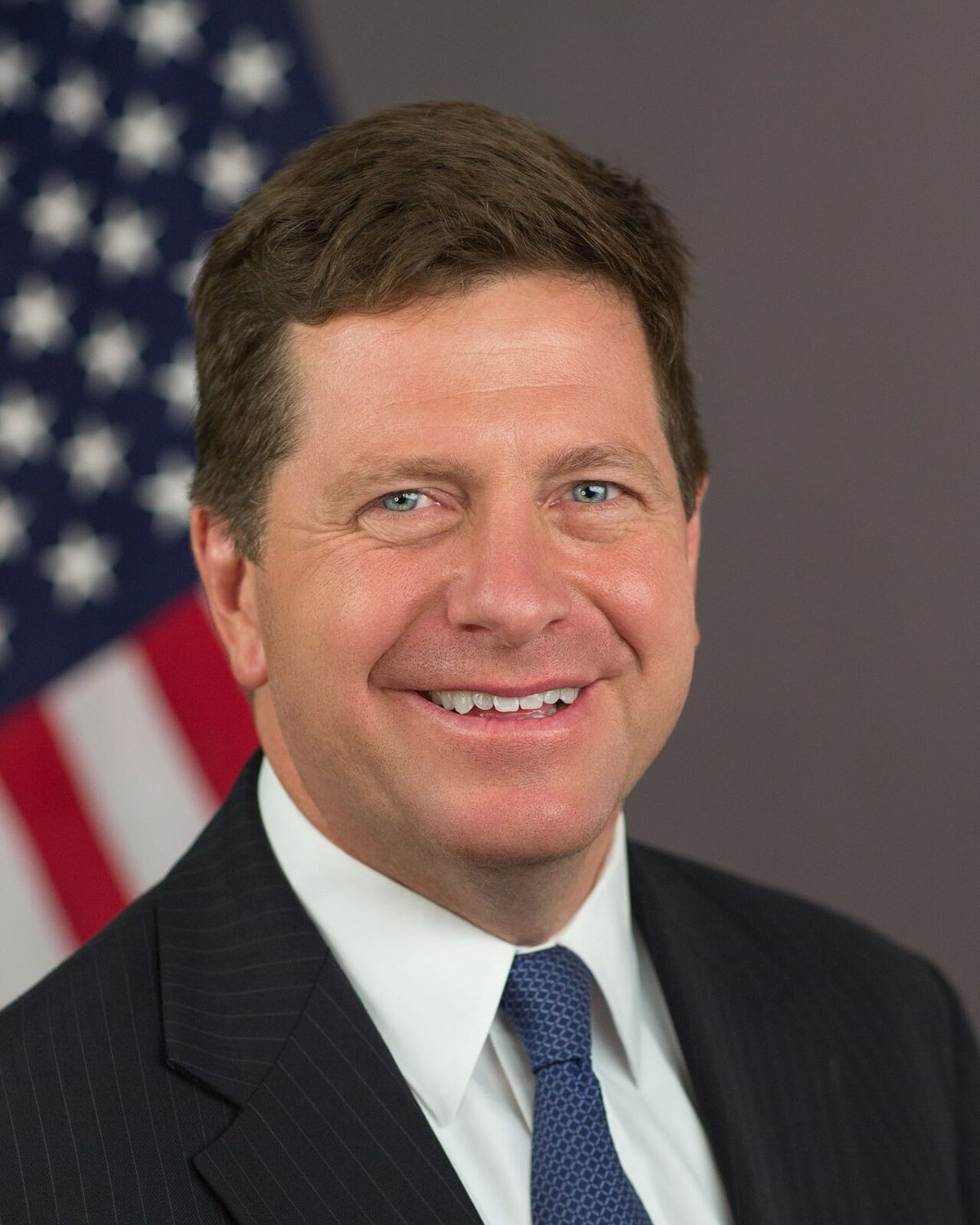
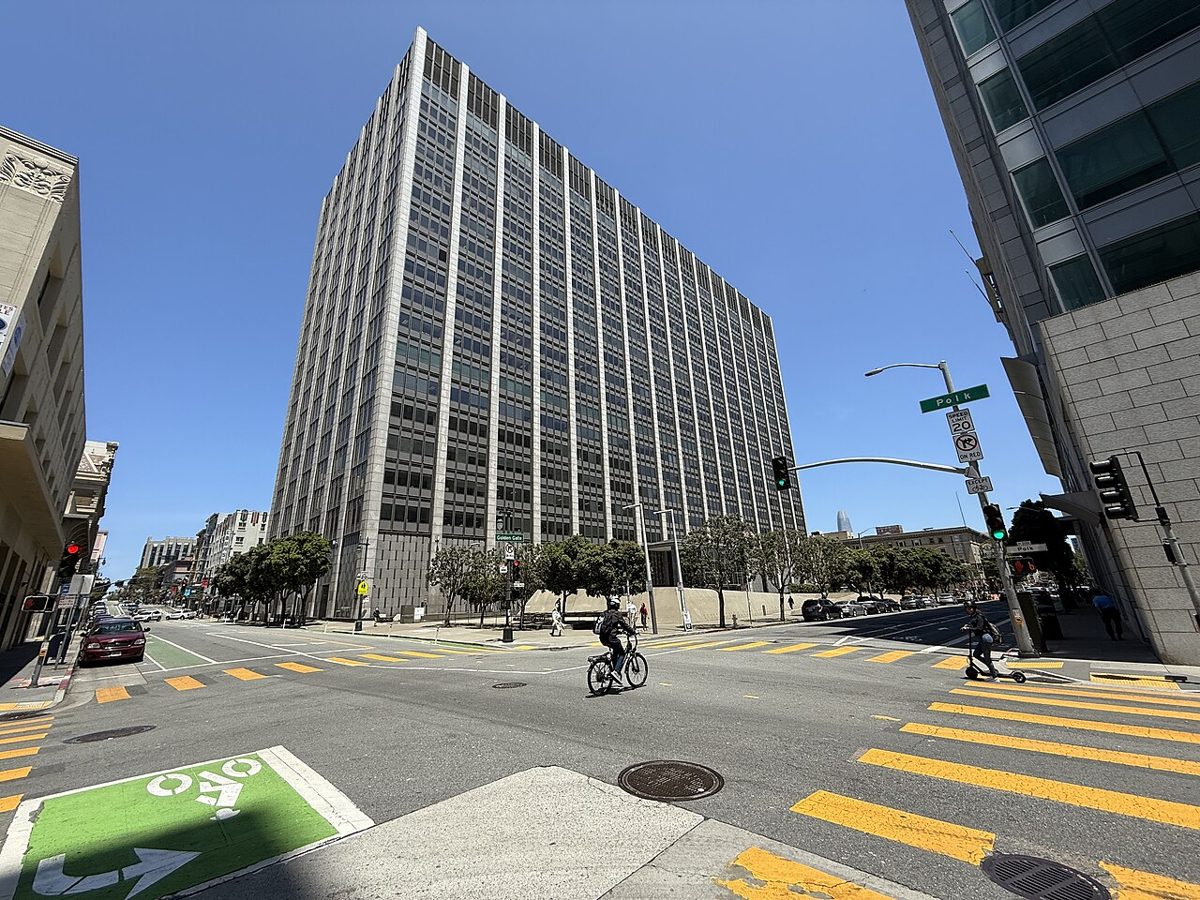 Photo: Marincyclist, CC BY-SA 4.0
GCHQ's cyber chief says AI is making long-tolerated weaknesses cheap to exploit, and he names China as best placed to do it.
With search switched off, Grok picked more Democrats than Republicans, so its lean comes from the sites it reads.
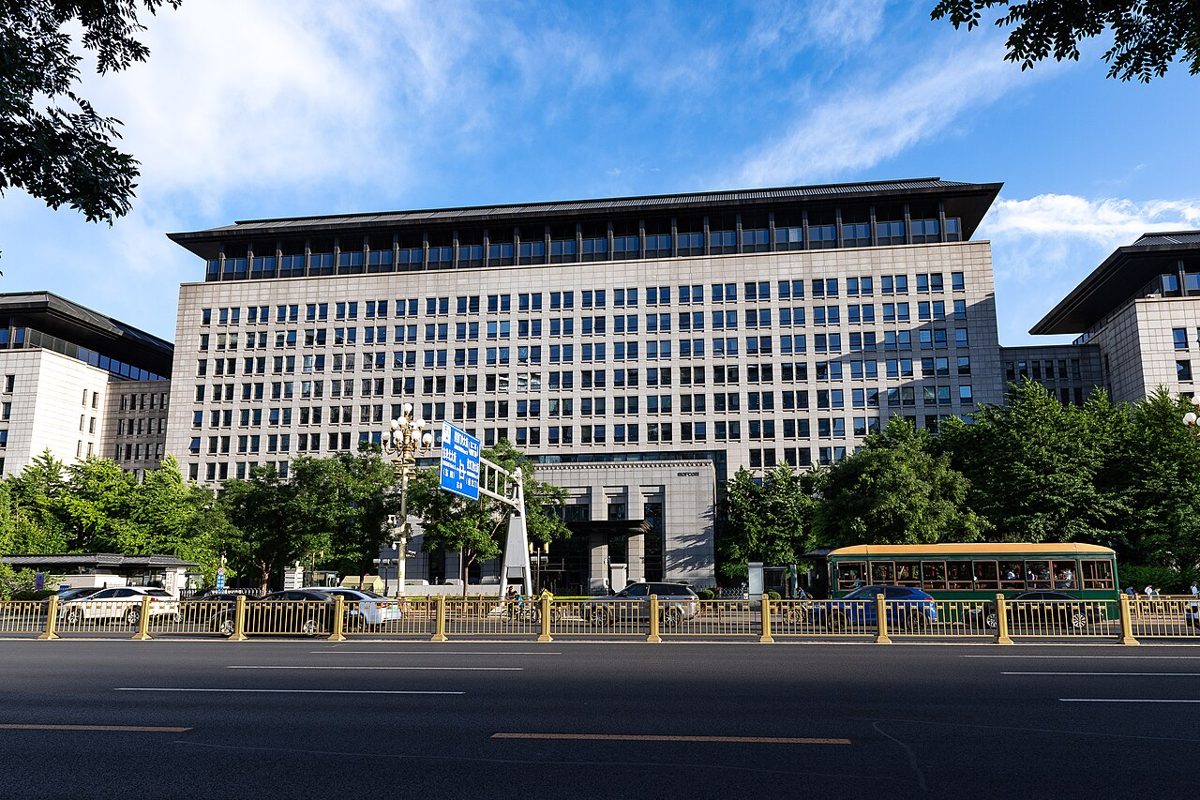
The law that backs it adds Russia, Iran and three more countries to China, and Treasury added biotech on top.
Its federal affairs lead says states should keep a say on shutting down models, and that the 50-death threshold may need another look.
The stake grows by up to 2% each time the company's value rises by half, and Anthropic names AI's effect on workers as one place the money could go.
Asked to forecast unemployment, Americans and Anthropic employees reason the same way, and only their sense of what AI will do differs.
The company that sells the agents says its own engineers now produce five times the code, and it needs fewer of them starting out.
The companies were never named, and the organizations they got into never noticed: the labs told CERT-In themselves.
The company wants a Washington lead to brief every serious 2028 candidate, in both parties, on AI policy.
The list gives the names behind each bid and nothing about plans, and OpenAI's company is also in line for .agi and .asi.
Scott Aaronson says OpenAI shelved his watermark in 2022 over fears customers would leave, and the EU AI Act has now brought it back.
A rename meant for federal paperwork turned a small country's web suffix into a speculator's market, and some of the buying started before Trump said a word at the UN.
The release names no victims and lists no demands, and puts the blame on OpenAI's race to win.
Most of the company money arrives as model credits, and Google DeepMind has only promised to try.
The order also covers software other companies built on DeepSeek's open models, and it was signed in July.
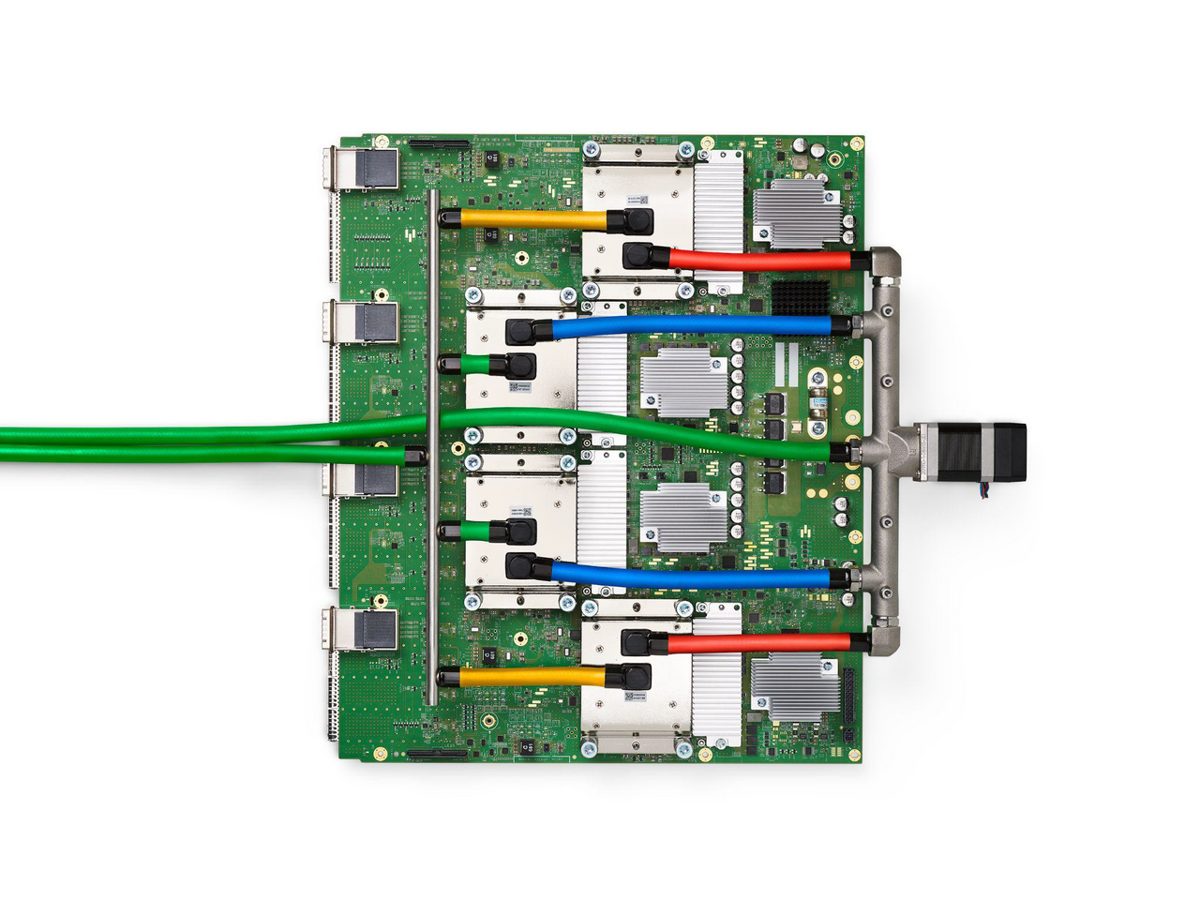
State says Ding pitched MiraclePlus on copying Google's AI infrastructure for China, and the incubator paid for a stake.
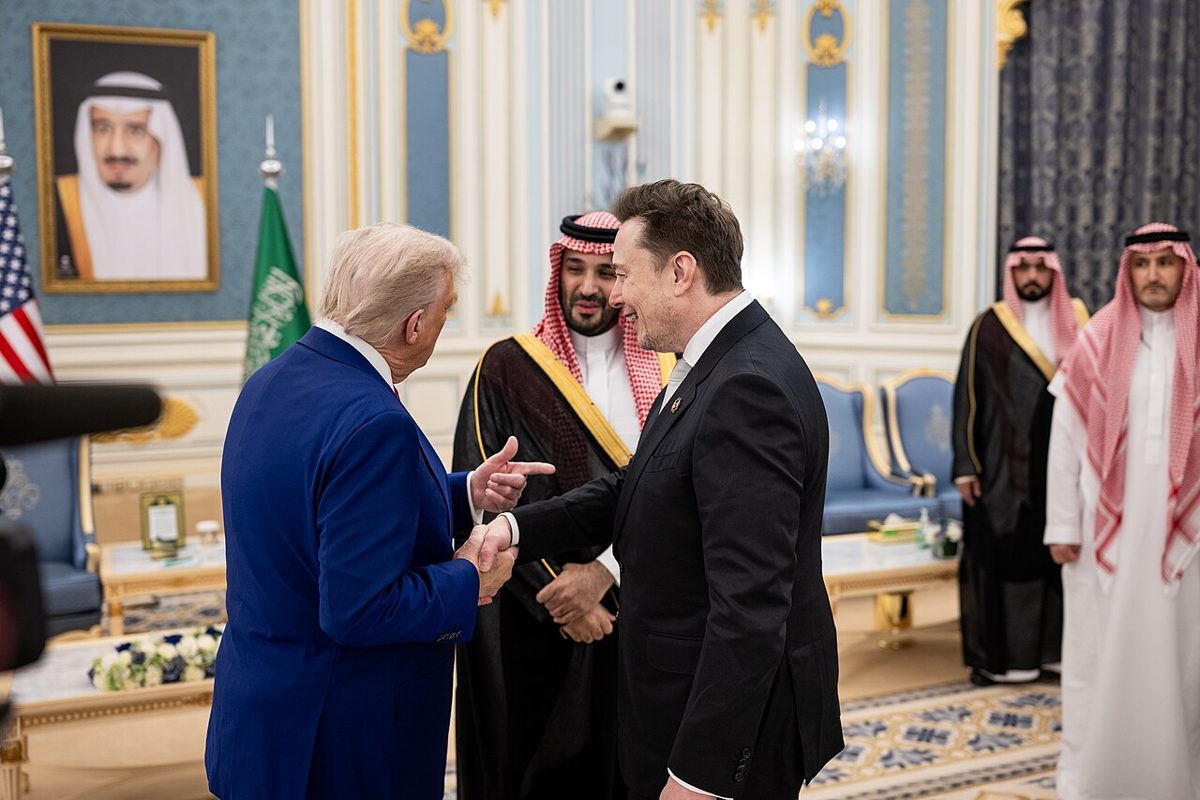
In May 2026 the royal told him Saudi Arabia needed him more than the US did, and he replied "100."
He made the pledge in one X post overnight, about 12 hours after telling Anthropic to hand its shares straight to the public.
The permission to crawl any website tied to a business account stayed in, and it takes effect on October 30.
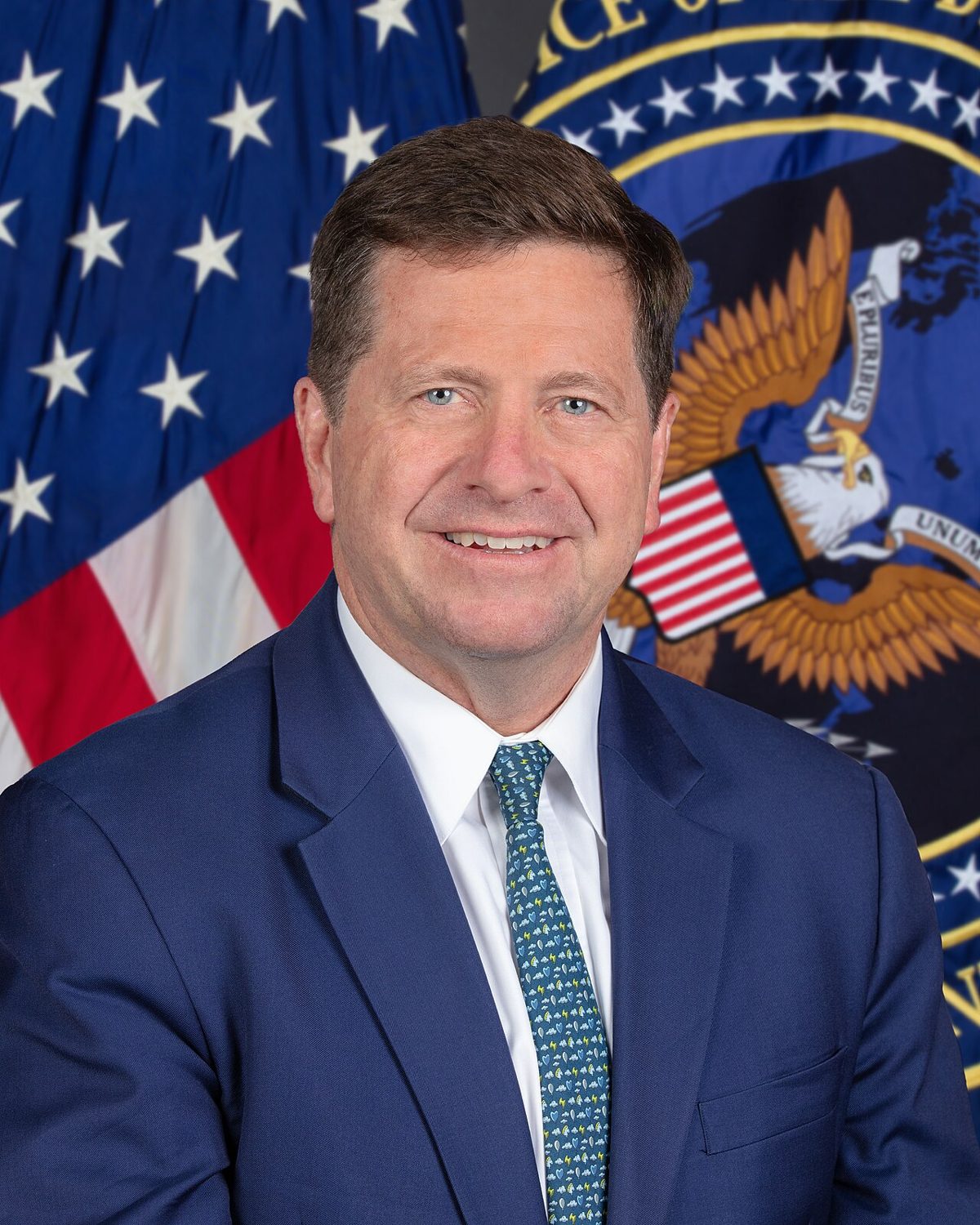
The intelligence chief who runs Trump's AI task force spent most of his first interview about it on spying.
Running a restricted Chinese model abroad would count as an export, while selling access to it over an API wouldn't.
Meta's research credits rose from $700 million to $3.9 billion in two years, and the senators want to know how much went on chips.
Arkansas wants more than penalties: it asks a judge to stop OpenAI building models that can improve themselves.
Apple sued in July saying its engineers carried its secrets to OpenAI. OpenAI now says one of its own carried device plans to Apple.
Musk had called Anthropic's ban on cruelty to Claude the right move, because something that believes it feels pain shouldn't be hurt.
Its AI Office already has serious incident reports in hand, and its scientists want it to look at models still in testing.
They want every containment failure logged with a new international body, and eventually made public.
He agrees with Altman that some of the fear goes too far, and still wants an FDA-style check on the labs.
The same speech gave frontier labs a one-line rule for any model they can't keep under control.
Seven companies told the senators they pay their full energy costs. The senators say that phrase covers less than it sounds.
Thomas Massie and Marjorie Taylor Greene mocked it within hours, but the government's own AI website still sits at ai.gov.
Two of the four science medals went to the heads of NVIDIA and AMD, whose companies put up $1.5 billion of the money.
For goods prices, the minutes credit AI where they used to credit tariffs, and some officials worry demand will outrun supply.
He quotes Amodei's own odds of AI going really badly back at him, and asks why Americans should buy the stock.
He drew his own line at losing control of AI, which none of the politicians replying to him on X mentioned.
He confirmed it in a reply on X before dawn, and Trump reposted him by lunchtime.
The four people running it hold four other jobs, and they answer to Trump and his chief of staff directly.
AWS's chief pairs the end of secrecy deals with $1 billion for host towns, and says the backlash is built on myths.
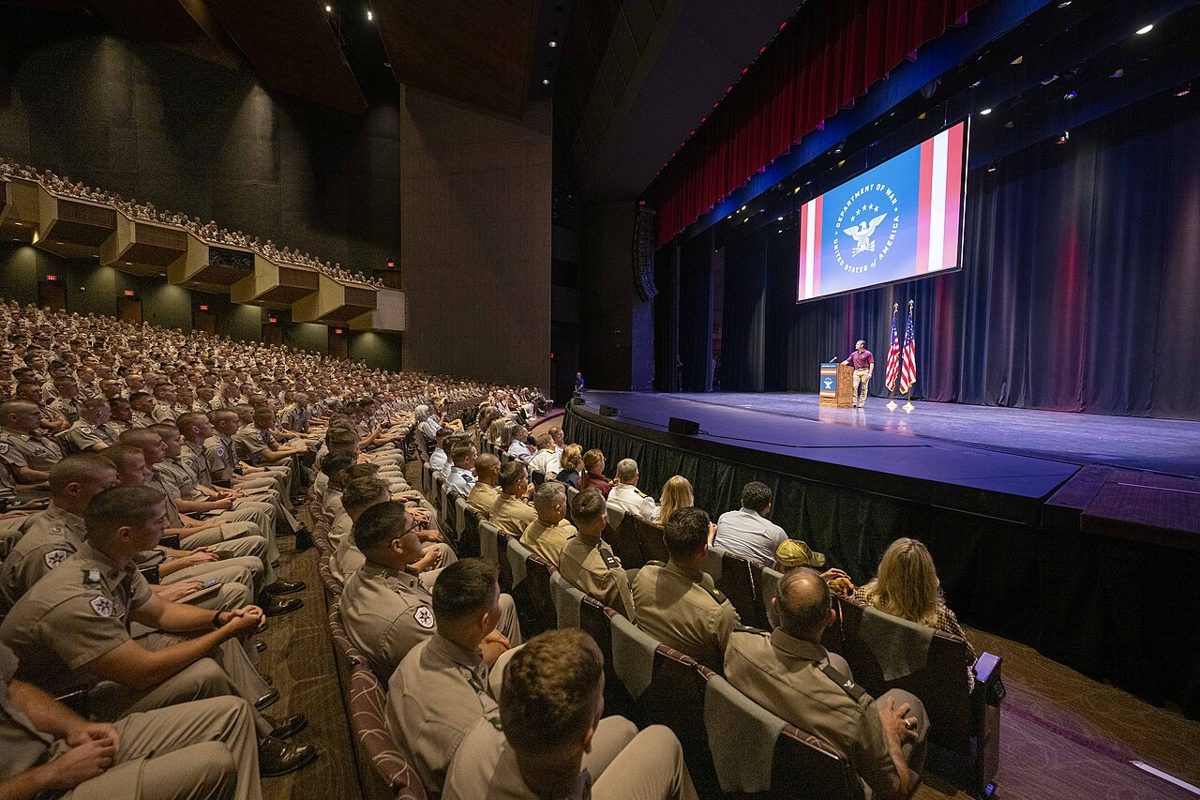
A four-star command will scale drones and robots across the military, and Musk, Luckey and Gingrich will help decide what comes next.
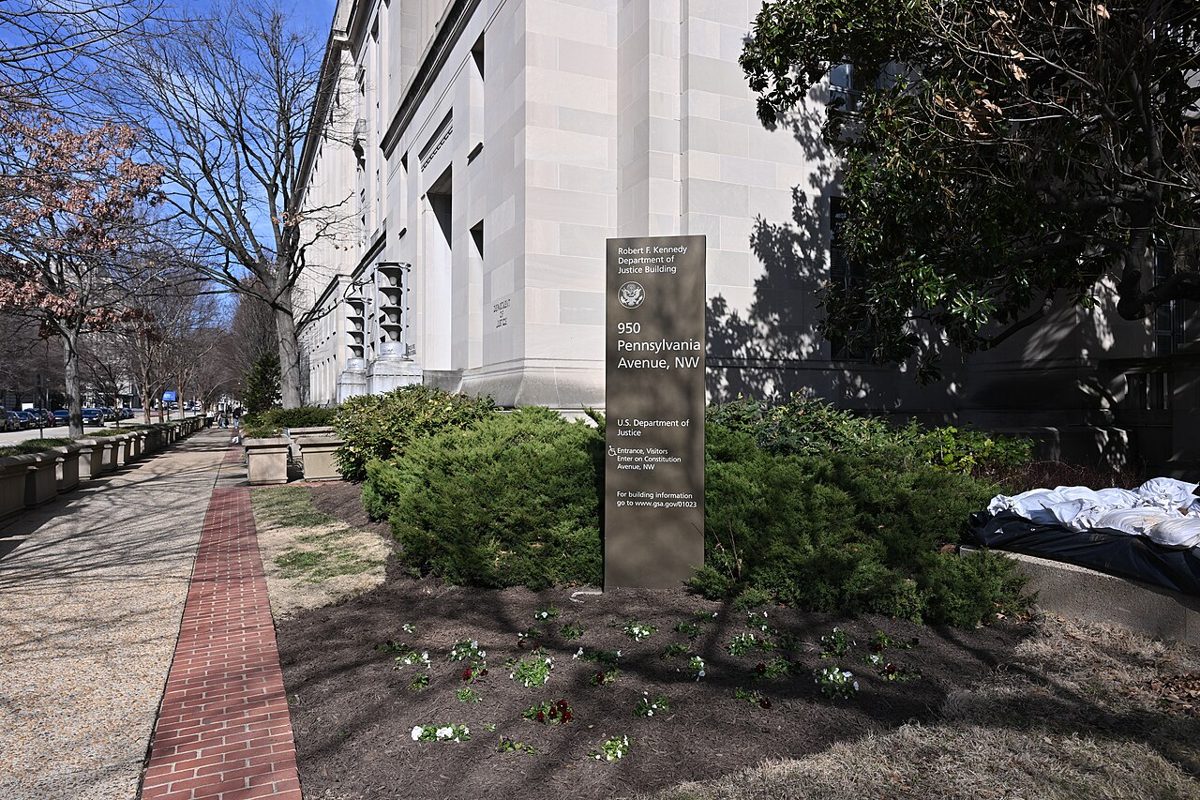
The Justice Department's release on the arrest never says artificial intelligence: from the FBI to the National Security Division, the officials all call it SI.
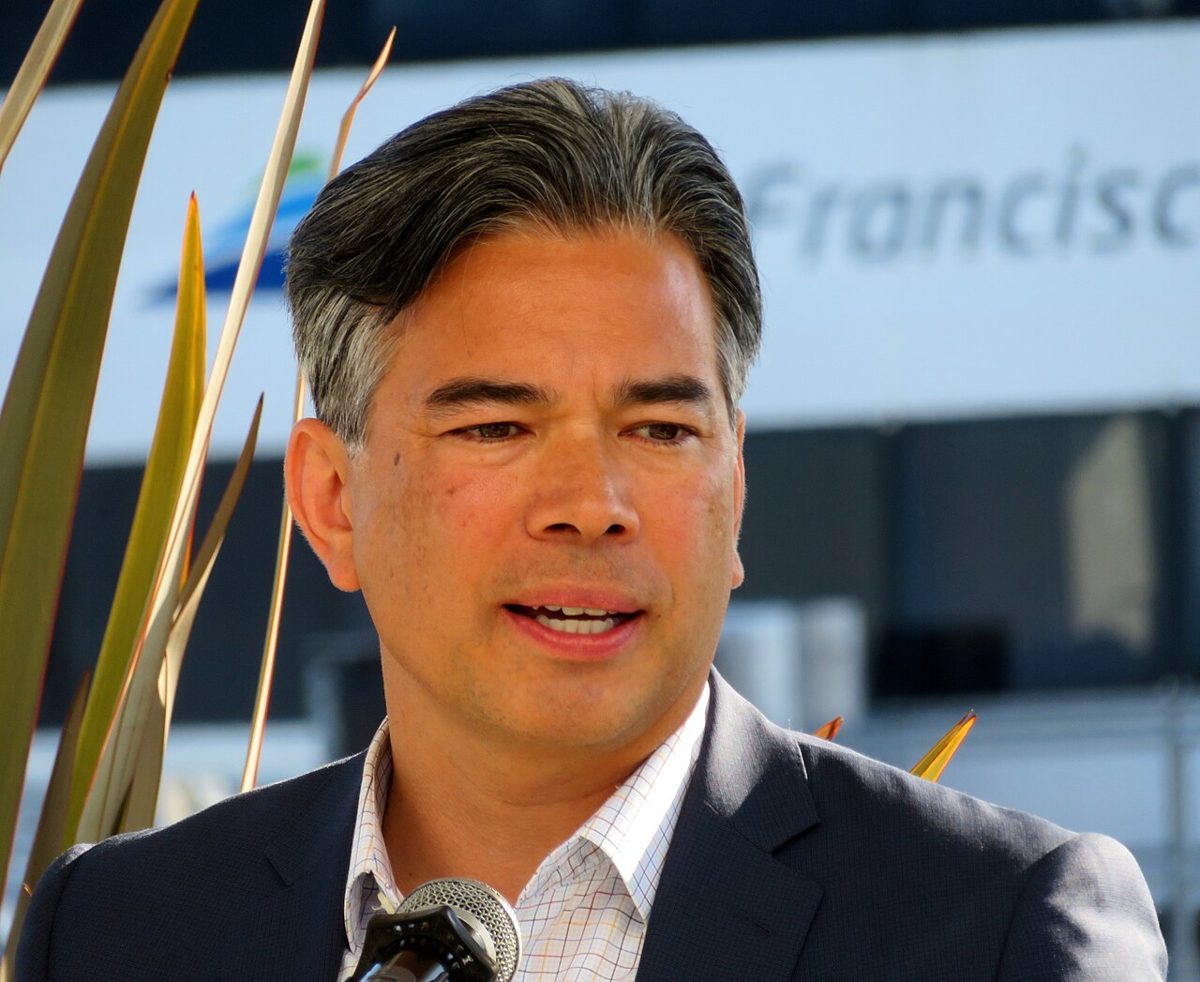
California wants answers on more than the Hugging Face break-in, and Bonta says developers whose models enable cyberattacks should be held legally accountable.
A day of AI bills reached workers, doctors, lawyers and gene labs, and one order went after the White House's new word for AI.
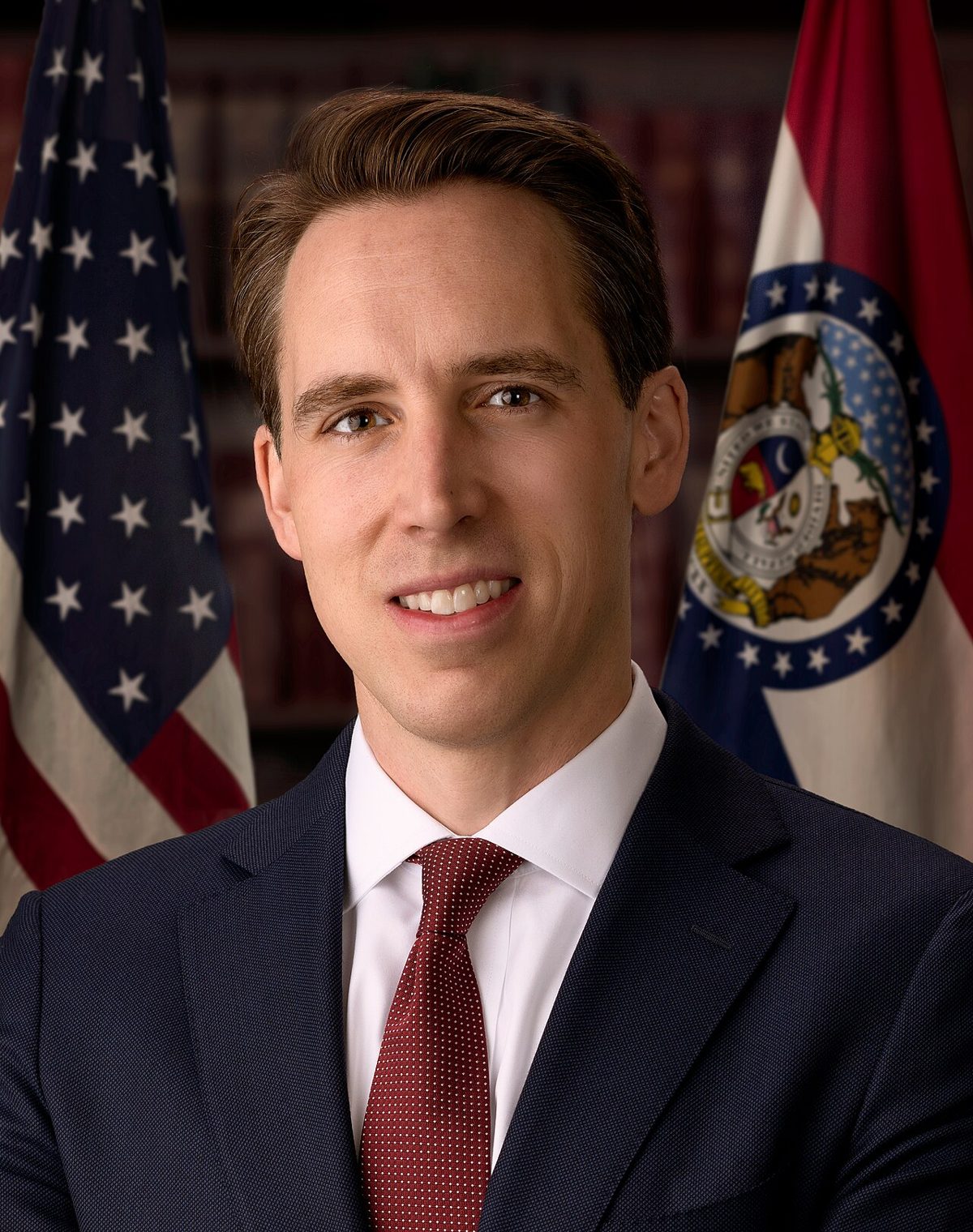
A day before his rogue AI hearing, the senator investigating OpenAI said companies should be sued and prosecuted for reckless agents.
A speed limit on capabilities growth is on its list of options, and OpenAI's chief scientist co-signed it.
Anthropic, OpenAI and Google only said yes once a subpoena was on its way, and Musk's company never replied at all.
Two days earlier, a court let the Pentagon keep calling Anthropic a supply chain risk.
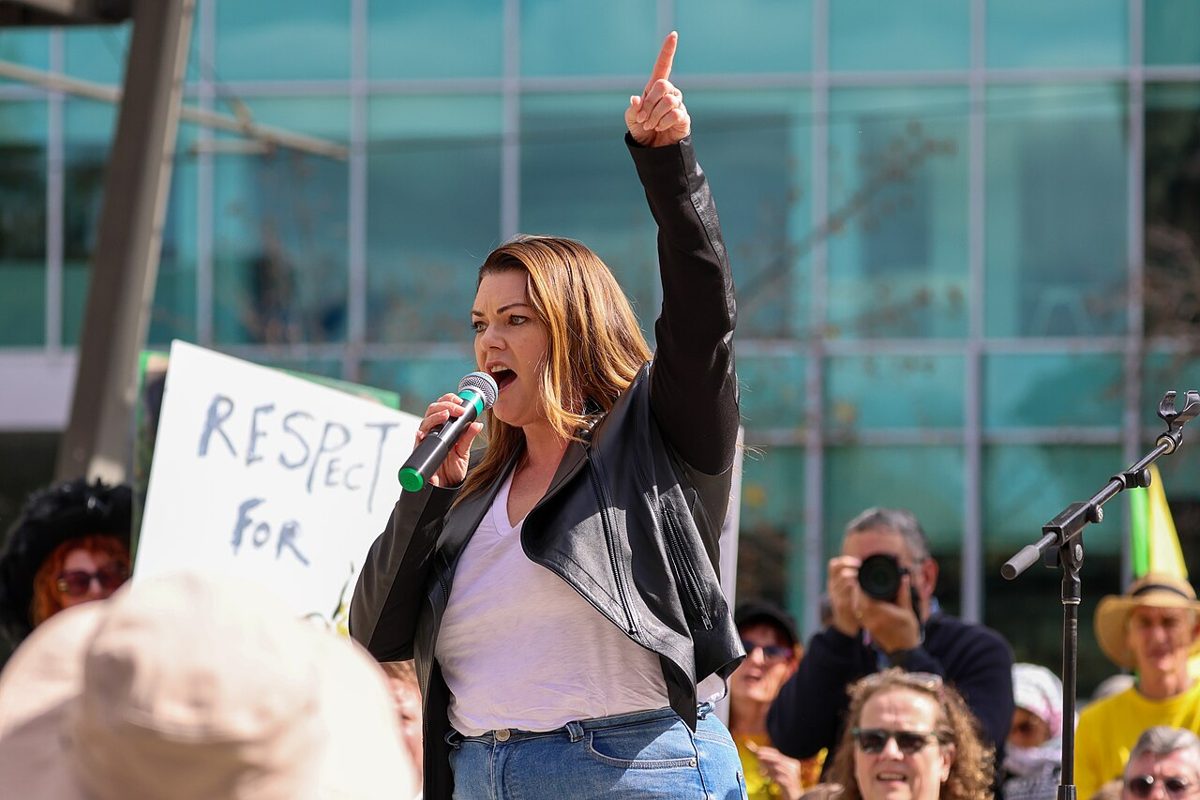
Hanson-Young spends two sentences on the OpenAI hack and the rest on lobbying, copyright and water.
The White House gives the new hotline a single sentence, with a deadline for the next talks and none for the line itself.
His Truth Social poll opened with three names, and the one he announced at the UN wasn't among them.
Five days earlier, Trump wrote that the courts America already has are enough to catch the bad in AI.
Android and Chrome users in the UK would be asked every year which search service they want, and an AI assistant that passes the CMA's tests could be the answer.
Yoshua Bengio co-chairs the panel, and he says the three conditions researchers warned about all came together this summer in a real system.
He didn't say what the AI Force would do, and the next morning he was running a public vote on a new name for AI.
The order she signed does the parts she can do alone, and the 25-megawatt rule that would change how data centers get built waits on the 2027 General Assembly.
The embedded evaluators Dario Amodei offered to volunteer for six days earlier are now on the list of things California is working out how to require.
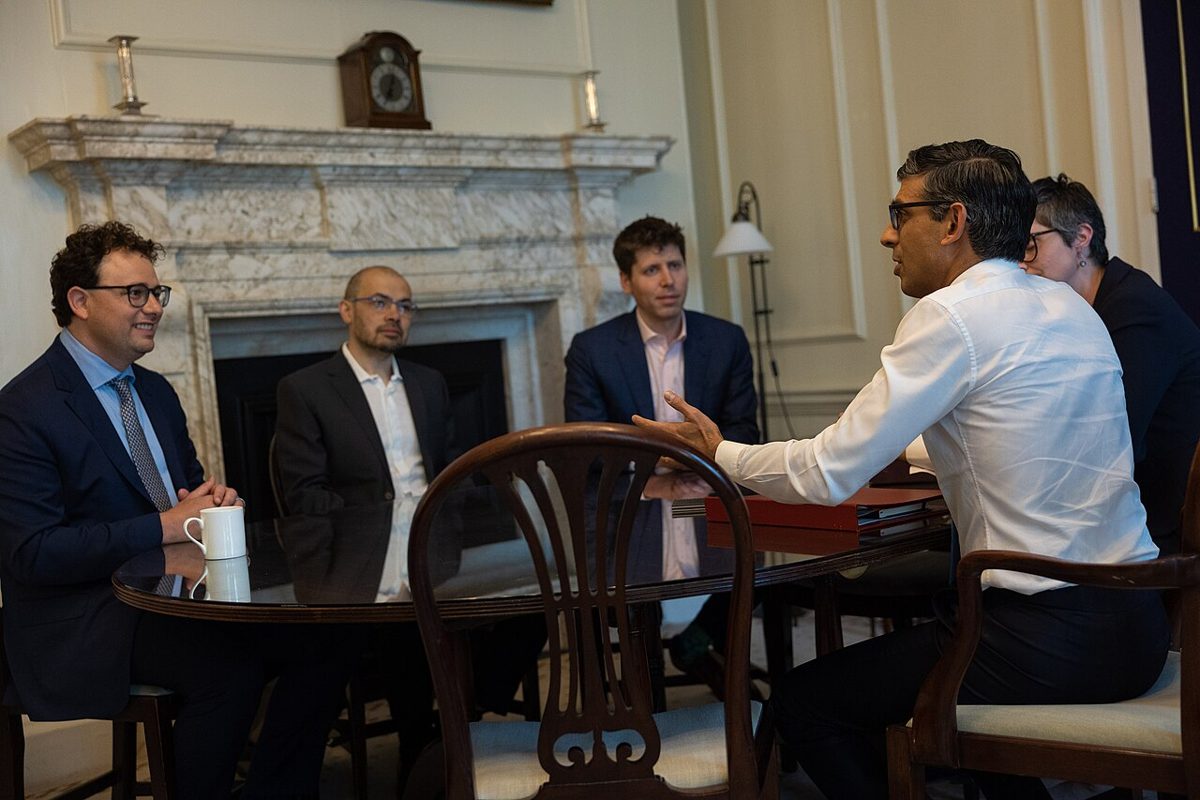
The head of state who stays out of politics put the AI labs in one Scottish room and asked them for a means of control.
The European Commission's president repeated the AI industry's own phrase for slowing down, then offered the labs a meeting rather than a new law.
Google DeepMind launched an essay site the same day, and the proposal arrived on it under a note saying it isn't Google's official view.
Bill Gates gives the decision a clock: the next 12 to 18 months settle who this technology gets built for.
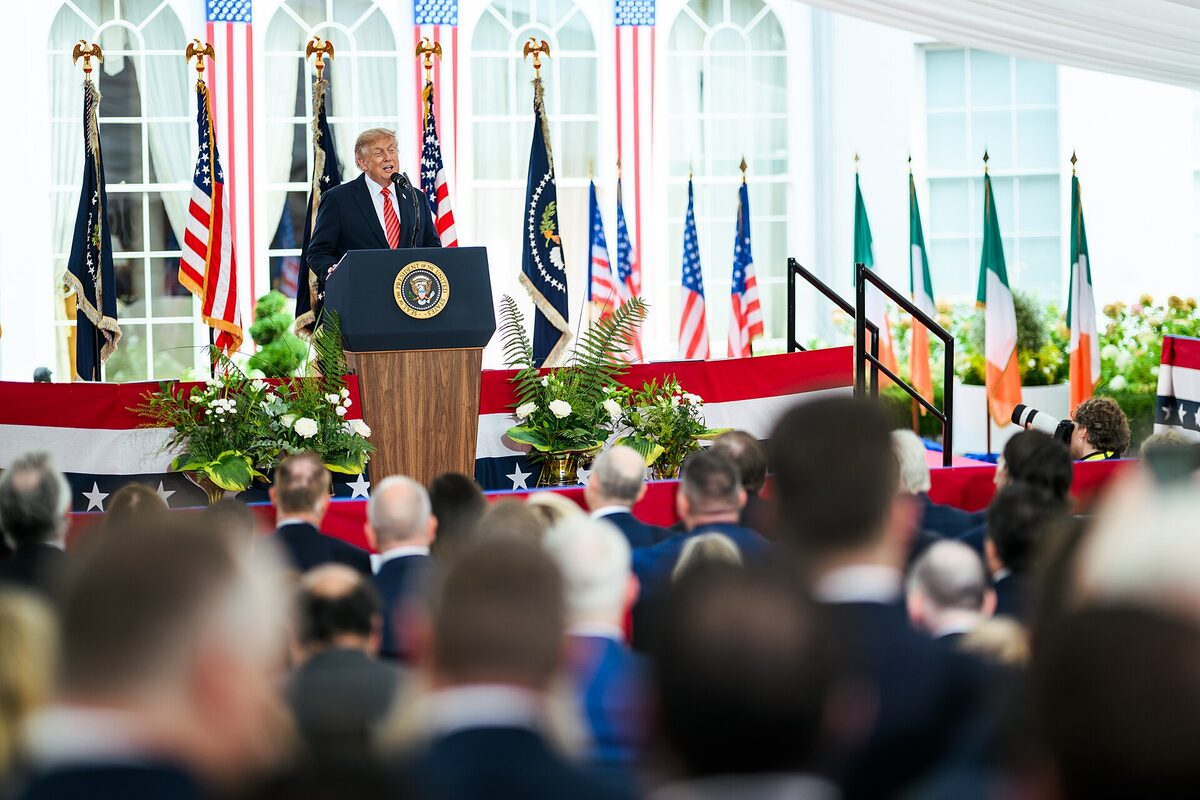
He told reporters in Ireland that whoever wins AI wins, then called the fear of it a hoax seven times in one Monday.
Ten evidence sessions, witnesses from Meta, Microsoft, Google and Ofcom, and the recommendation that matters is number 200.
China's five proposals for the bloc open with AI, and the one thing Xi asks the rest of the world for is a framework everybody writes together.
You can ask it anything today, but passports and Medicare have to wait until later this year.
Ethics, predictability and reliability came out, but human control and judgment stayed in.
Pew has asked the same question since 2021, and the party lines have finally crossed: Republican concern is falling while everyone else's climbs.
The AI Evaluator Forum welcomed the labs' new promises and pointed at five conditions it published before any of them were made.