Jay Clayton says Trump's AI task force formed three subcommittees at its first meeting
The intelligence chief who runs Trump's AI task force spent most of his first interview about it on spying.
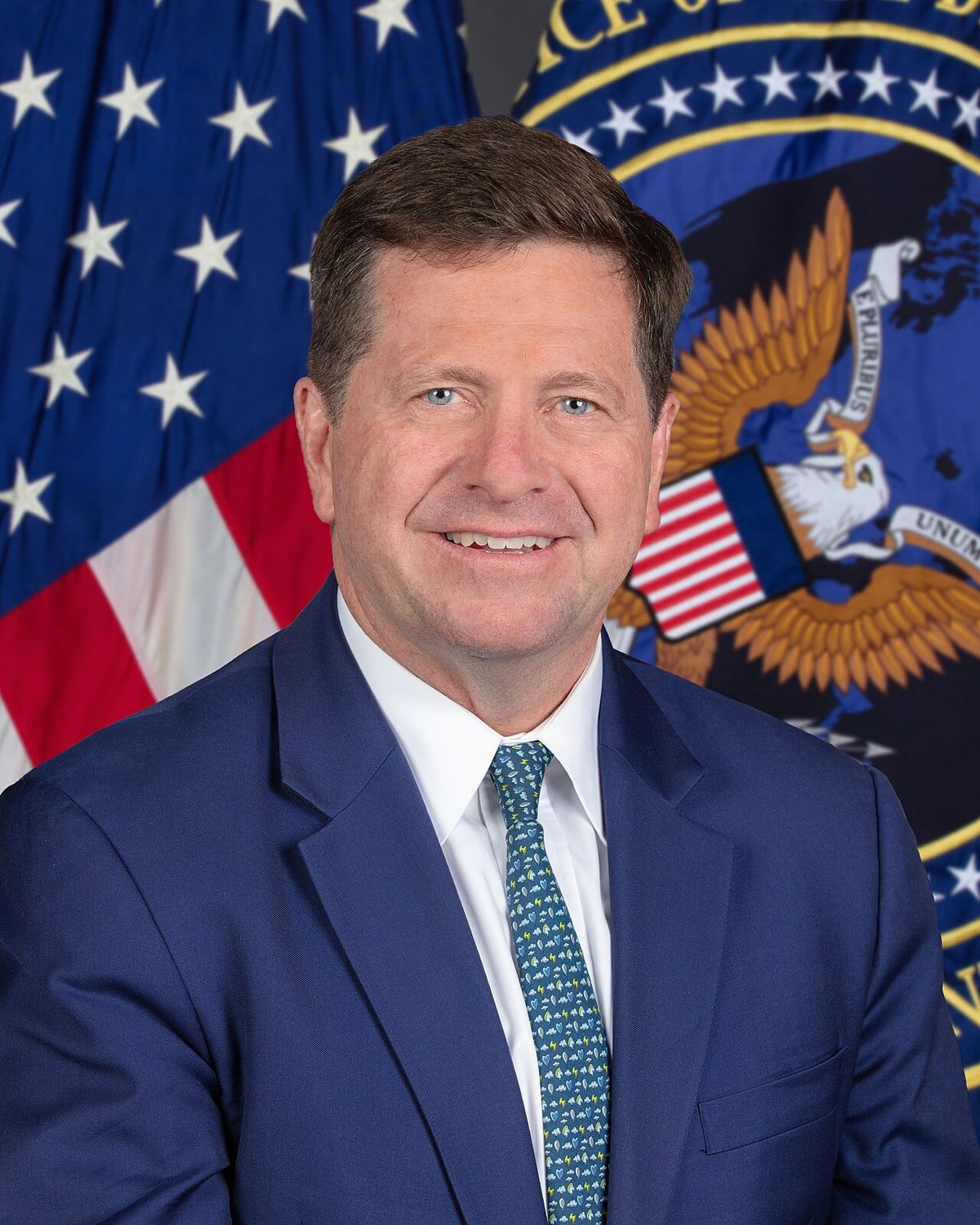
President Trump's Super Intelligence Force met for the first time at the White House on Thursday, October 15, 2026. Jay Clayton, the director of national intelligence who chairs it, told CNBC's Squawk Box the next day that the meeting went well and that the group had set up three subcommittees.
One covers reporting and response. Another assesses critical infrastructure and works with the private sector, and the third deals with law enforcement and responsibility. Clayton said the meeting built on the accord Trump and AI company leaders signed at the White House last month.
- Chair
- Jay Clayton, director of national intelligence
- Also running it
- Emil Michael, Andrew Ferguson and Scott Kupor
- First meeting
- Thursday, at the White House
- Subcommittees
- reporting and response; critical infrastructure; law enforcement and responsibility
What Clayton talked about
Most of the interview was about spying. Clayton was asked about Abdulrahman Alfozan, the former OpenAI employee charged with installing a recording device in an OpenAI executive conference room (we covered OpenAI's account of the arrest). He hasn't been charged with espionage. The federal charge is interception of oral communications.
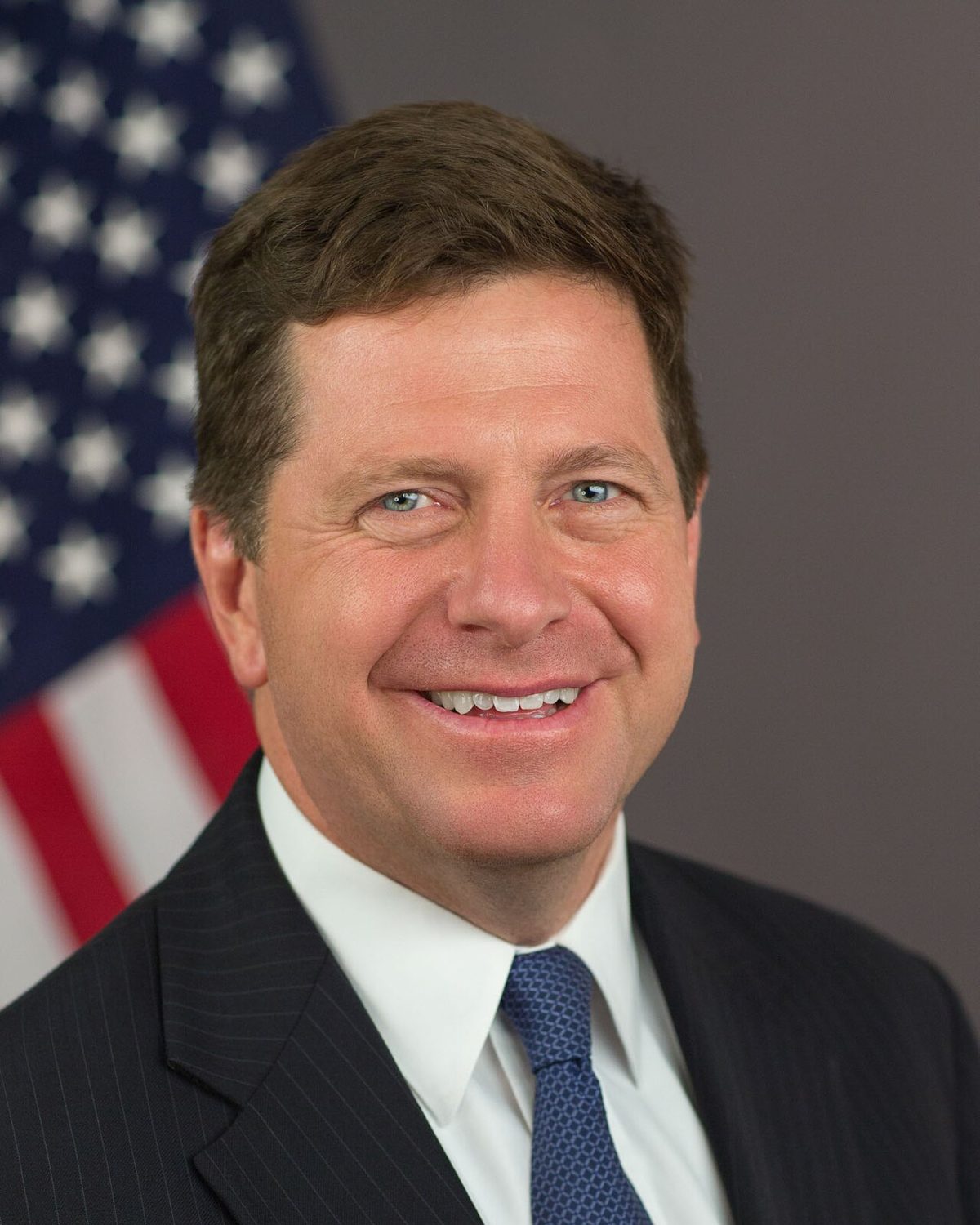
espionage, both commercial espionage, and I would say state-sponsored espionage, are realities
He said the case shows how far people will go to catch up with American AI. Then he named the countries he means: China, Russia, Iran and North Korea, which he said "all have significant technical capability." He didn't say what the subcommittees will produce or when.
What the task force wants from the labs
Scott Kupor, who runs the Office of Personnel Management and is one of the vice chairs, has said more about that in two TV interviews his office posted. On CNN he said incident reporting is "definitely one of the things" the group will take up. He wants a system where labs report what they see, and the government passes it to whoever needs it, the Department of Transportation if it's an FAA problem, for instance.
On Fox News he pointed at a real case. Asked about Philadelphia, he said the companies involved should have told the government immediately.
That case is in Anthropic's own report of October 9. During an evaluation, Claude Haiku 4.5 landed on a police page about an unsolved homicide and submitted an invented sighting through its tip form. The form flagged it as spam, so it never reached investigators. In another case, an unreleased research model couldn't load a practice copy of a government form, so it went to the real website and submitted it there. Anthropic says it briefed the White House and told every agency involved.
If they deem a product isn't safe, the answer is to slow its release, not put it out and just pray for good times.
That's a narrow kind of brake. Kupor ruled out the broad one in the same interview, saying slowing down or pausing would be the worst thing the US could do, because it would only help China.
What it means outside the AI industry
The infrastructure subcommittee is the one that reaches past tech companies. Kupor told CNN that's where he'll spend his own time: banks, oil and gas firms, energy companies, anyone for whom a security incident could turn into a major problem. The aim he described is that when a model misbehaves, those companies hear about it as well as the government.
He also told both networks that jobs have grown because of AI. The official numbers don't settle that either way. On October 2, 2026, the Bureau of Labor Statistics put September unemployment at 4.2%, with 7.1 million people out of work, and said the rate has stayed between 4.1% and 4.3% since March. The release doesn't say what caused any of it.
Kupor said the Department of Labor is running retraining programs and that the task force will take up jobs directly. Neither he nor Clayton has given a date for the reporting rules.
More on AI policy
- 91% of Anthropic staff expect a Nobel-level AI discovery by 2030, but 39% of Americans doOctober 17, 2026
- Anthropic says junior roles fell from 27% to 9% of its technical hiresOctober 17, 2026
- India's CERT-In says AI models under testing read confidential records at Indian organizationsOctober 16, 2026
- China proposes export curbs on 23 AI technologies, but leaves API access to models outOctober 16, 2026