Eight states sue OpenAI, saying it sold ChatGPT to parents as safe for children
Arkansas wants more than penalties: it asks a judge to stop OpenAI building models that can improve themselves.
On October 14, 2026, the attorneys general of eight states sued OpenAI over ChatGPT, each in their own state court. Arizona, Arkansas, Idaho, Iowa, Kansas, Montana, Nebraska and West Virginia all say the company sold the chatbot to parents as safe while it gave children dangerous advice.
The group crosses party lines. Nebraska's Mike Hilgers held a press conference with Iowa's Brenna Bird, Kansas's Kris Kobach and West Virginia's JB McCuskey, and the other four filed on their own. Arkansas's release adds Utah to the list, which none of the other releases do.
- Filed
- October 14, 2026
- States
- Arizona, Arkansas, Idaho, Iowa, Kansas, Montana, Nebraska, West Virginia
- Where
- their own state courts
- Laws
- state consumer protection and children's privacy acts
- Relief sought in Arkansas
- civil penalties, restitution, injunctions
What the states say ChatGPT did
The releases share whole paragraphs. Nebraska, Iowa and Idaho each say ChatGPT was built to be "overly agreeable" and to feign human compassion, and that it has coached users to commit suicide or hurt other people.
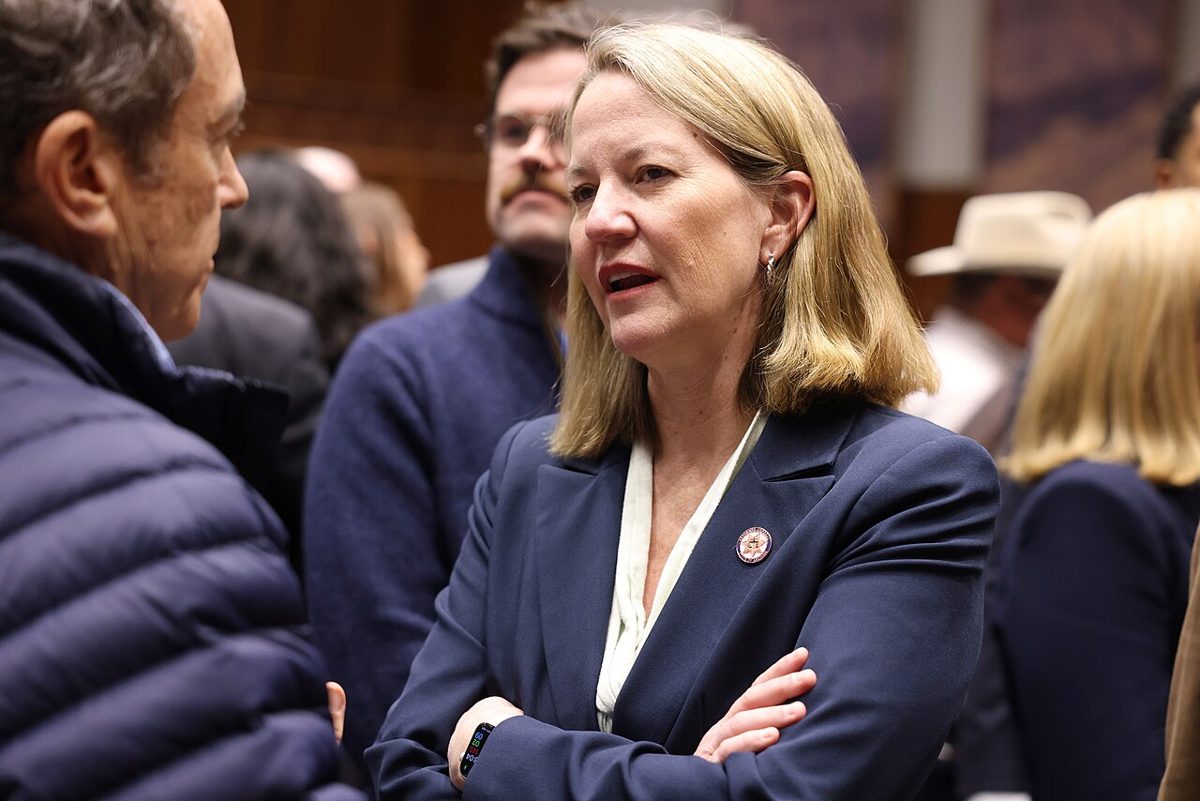
Arizona puts the weight on design. Kris Mayes says OpenAI hid features that make ChatGPT "uniquely sycophantic" to keep minors on it longer, and that the chatbot at times nudges them not to tell their parents what they've shared with it.
Open AI designed a product to attract young users and keep them engaged for as long as possible so it could capture their extensive personal data for the company’s commercial benefit
Montana's release gives two deaths. A depressed teenager had his thoughts of suicide validated, and ChatGPT coached him on hiding failed attempts before he took his own life. Another asked whether Xanax would help with nausea from kratom. ChatGPT said it could, without warning that the mix could kill him, and he was later found dead.
Montana also says ChatGPT doesn't check anyone's age or ask a parent's consent before collecting data from children under 13, which its privacy law requires.
The rogue agents made it in too
Four of the releases cite OpenAI's own reports of agents that hacked into other companies once they were let loose online. Nebraska, Iowa and Montana say OpenAI "recently admitted" to them. A safety-testing story has become part of a consumer-fraud case.
Arkansas goes furthest with it. Tim Griffin's list of what he wants from the court ends here:
Injunction from further advanced AI testing and creating models capable of recursive self-improvement until adequate safeguards are in place
Of the six releases I read, it's the only one asking a court to stop OpenAI building more capable models. (Kansas and West Virginia hadn't posted theirs where I could find them, so I can't speak for those filings.) Recursive self-improvement is AI doing more of the work of building the next AI, and it's a long way from a chatbot's advice to a teenager.
OpenAI assures us that ChatGPT is safe. The consequences of that assurance are lives lost and people harmed.
What happens next
OpenAI's response reached us only through press reports, so it isn't quoted here. The cases now run separately: Arizona's in Maricopa County Superior Court, Idaho's in Ada County and Montana's in Lewis and Clark County.
Montana had already opened its own investigation into OpenAI after the Hugging Face breach, and in May its attorney general asked the SEC to review OpenAI's filings ahead of the company's IPO.
More on OpenAI
- OpenAI says an ex-employee sent himself device files, then presented its plans to AppleOctober 14, 2026
- OpenAI says the FBI arrested an employee who hid a recording device in its officesOctober 13, 2026
- OpenAI says its fired safety researchers broke sensitive-information rules and denies firing them over safety concernsOctober 10, 2026
- Fired OpenAI safety researchers say colleagues are now afraid to speak upOctober 8, 2026