Meta creates non-voting shares to fund AI after Zuckerberg wouldn't back a sale cutting his votes
Meta's filing says Zuckerberg wouldn't back a share sale that cut his votes, and AI needs the money anyway.
What we've covered about Meta's AI work, newest first, including its Muse models and the agents built on them.
13 stories · newest
Meta's filing says Zuckerberg wouldn't back a share sale that cut his votes, and AI needs the money anyway.
Muse put each chat's title in its share address, and DNS records keep those titles searchable even now.
The permission to crawl any website tied to a business account stayed in, and it takes effect on October 30.
Meta calls it the most capable US open-weight model, but its own model card scores three other open models higher on the first benchmark it lists.
Meta's research credits rose from $700 million to $3.9 billion in two years, and the senators want to know how much went on chips.
Meta built them to remember you between chats and push through hard tasks, but its full safety report isn't out yet.
Your agent would sign in like you do, and the shop would decide what it's allowed to touch.
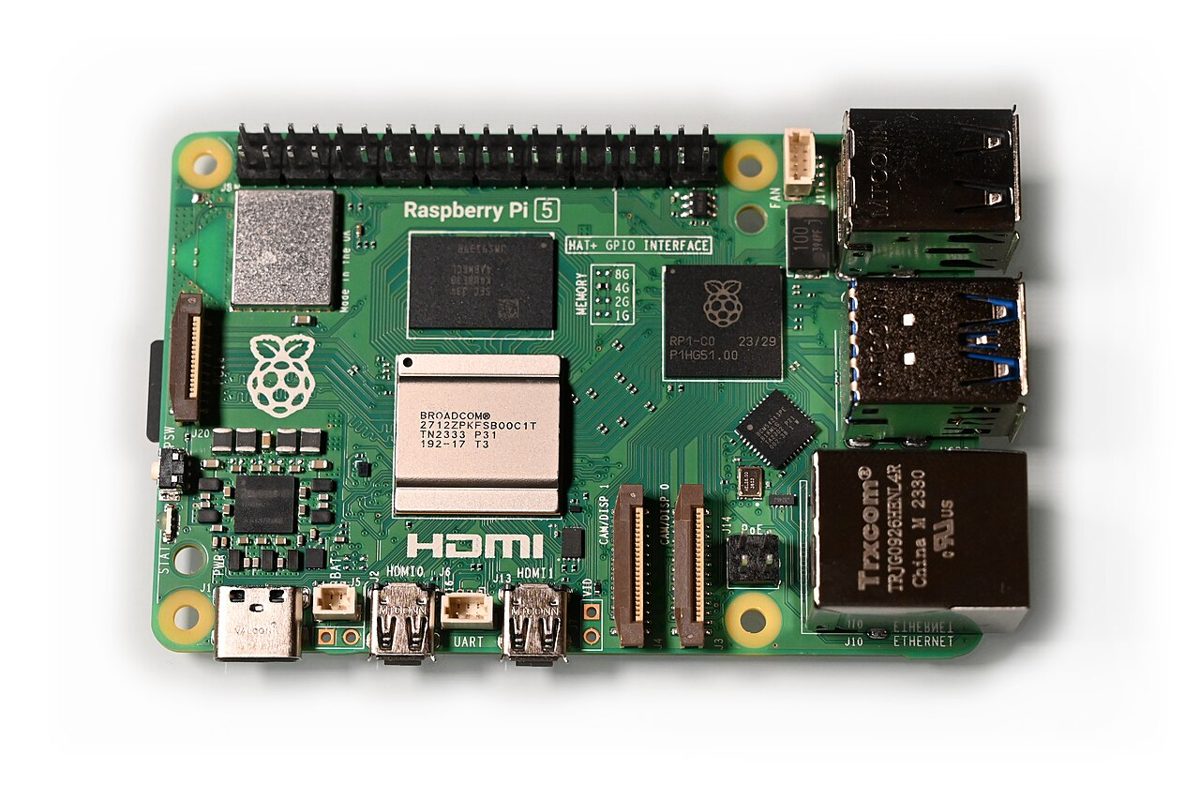
A spare Raspberry Pi or a cheap ESP32 board can now be a screen, speaker or button for Meta's agent, if you'll risk bricking it.
Zuckerberg hired MongoDB's CEO to sell Meta's models to companies, and Muse now plugs into QuickBooks and Shopify.
Muse for Mac can now drive any app on your computer, less than a week after it launched.
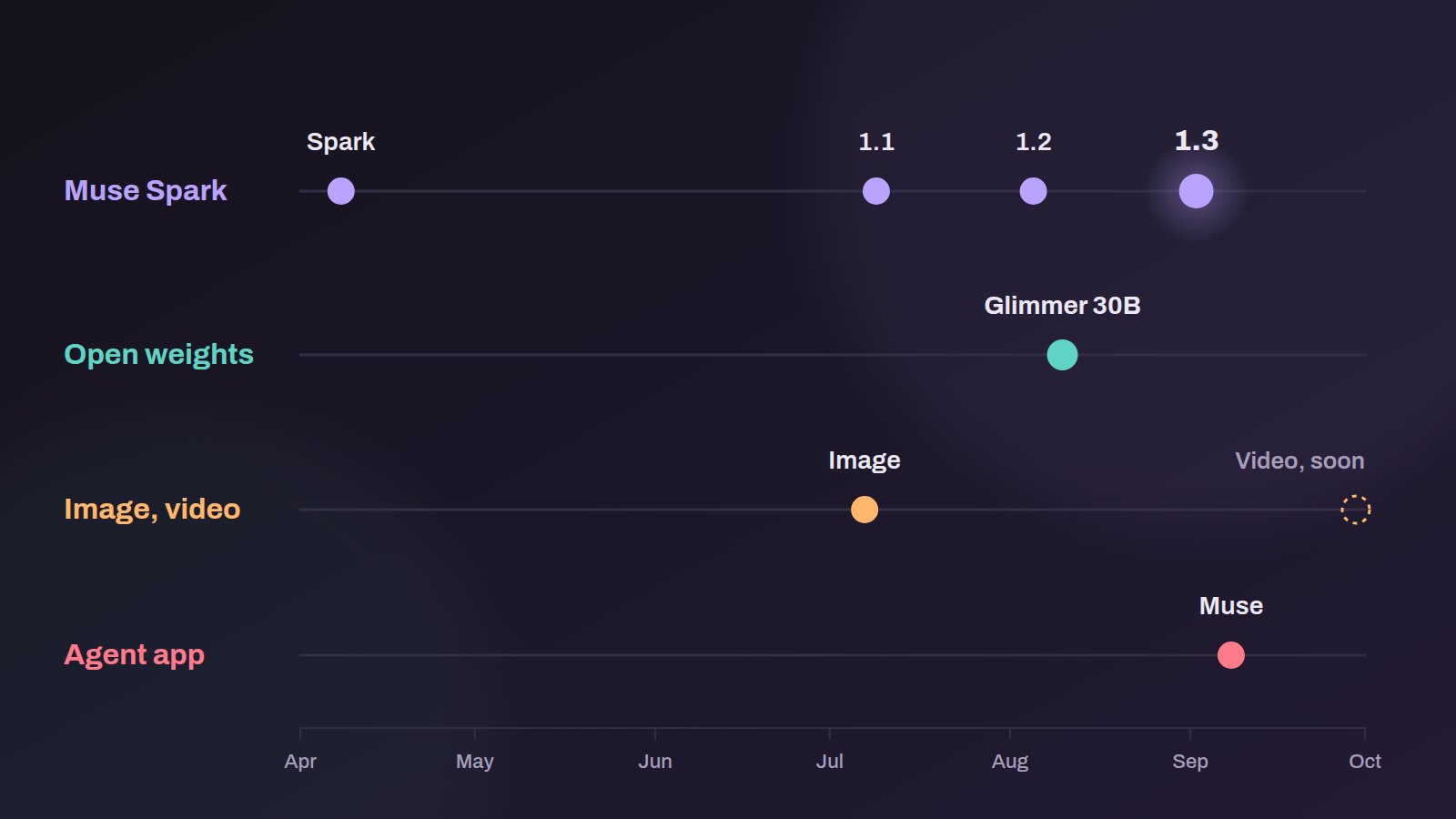
Meta's frontier models stopped being called Llama in April, and the only Muse you can download so far is the small one.
Zuckerberg announced it himself in a post, two days after he argued that every lab should set its own pace instead of agreeing on one.
Wardle told people not to install Meta's Mac agent, four days after Mark Zuckerberg announced it himself.