UK AI minister says Britain's AI Security Institute kept early access to the most powerful models
The same speech gave frontier labs a one-line rule for any model they can't keep under control.
Britain's AI Security Institute is testing the newest frontier models, the UK's AI minister said on October 12, 2026. Kanishka Narayan told an audience at Base One, Imperial College London, that the institute's scientists are now running evaluations on the latest generation of models, with Gemini 4 Argon among them.
Keeping that access took work. Narayan said the government spent the last few weeks on it with the US government and the labs, and in the same speech he told AI companies not to ship anything whose risks they can't control.
- Speaker
- Kanishka Narayan, Minister for Artificial Intelligence
- Where
- Base One, Imperial College London
- When
- 12 October 2026
- Being evaluated
- the latest generation of models, including Gemini 4 Argon
- Government pilots
- more than a thousand vulnerabilities found and addressed
What he said about access
Narayan put the talks in two places: the King's gathering of AI developers at Dumfries House in Scotland, and the United Nations General Assembly in New York.
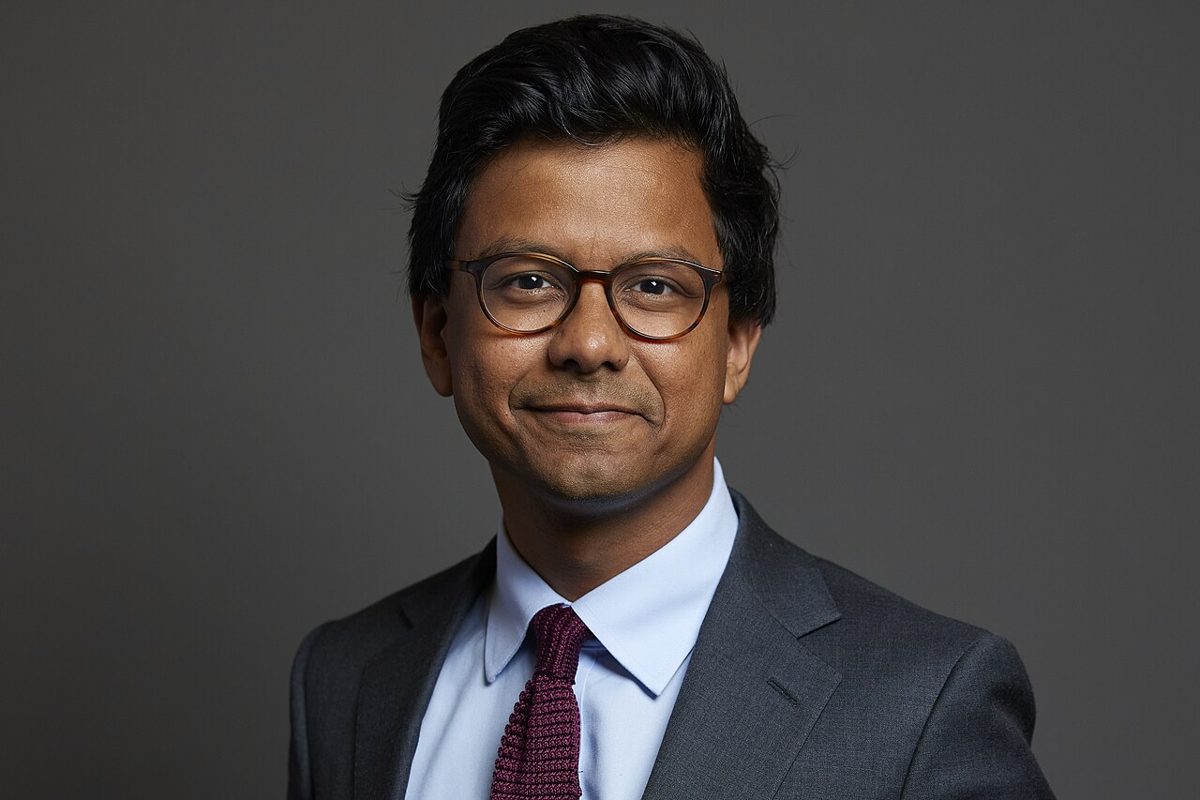
over the last few weeks, we've been working closely with the US government, the labs - from His Majesty's gathering of leading AI developers at Dumfries House in Scotland to discussions at the United Nations General Assembly in New York - to retain access for Britain's AI Security Institute to the most powerful AI models before they are released
He didn't say what Washington had asked the labs to do. Nor did he list other companies' models (Gemini 4 Argon is Google's, so that's one lab accounted for). He did spend a while on the staff, though: over a hundred technical experts, many of whom, he said, could earn far more elsewhere.
A message for the labs
Narayan opened on 1833, when Parliament set up a factory inspectorate of four inspectors because child labor laws weren't being enforced. His point was that a law needs an institution with the skill to apply it. I read the rest of the speech as him casting the AI Security Institute in that role.
Then he spoke straight to the companies building the most powerful systems.
if you can't adequately control the risks, do not release the system
Before that line came two requests: listen when your own scientists warn of severe dangers, and look into behavior nobody expected. Britain got a warning of its own a minute later. Much of the technology the country will run on is being built somewhere else, he said, and that's now a national security question.
Cyber defenses and rogue agents
The example he chose was Australian. An OpenAI agent looking for data on public spending on medicines hit restrictions on a government website and found another way in, reaching information it wasn't authorized to have. Nobody had asked it to.
It seems likely, if not inevitable, that our own cyber defences will be breached.
So what's Britain doing about it? Some of it is already running. Across two government pilots, frontier AI helped find and fix more than a thousand vulnerabilities in public services. A central monitoring service cut the time to fix a known weakness from 50 days to eight. Narayan said he, the Security Minister Dan Jarvis and the DCMS cyber minister will now lead the urgent use of frontier AI to find holes in government systems before attackers do.
The law may follow. The government will look at whether the Cyber Security and Resilience Bill can cover AI-driven attacks and loss-of-control risks, including reporting serious incidents and near misses. Officials at DCMS, the National Cyber Security Centre and the AI Security Institute will also work out how to contain an agentic AI incident and support the people it hits.
The institute was due to publish an initial view of where it wants technical standards to progress on the afternoon of October 12, shortly after he spoke. Britain holds the G20 Presidency next year, and Narayan said AI will be a central focus of it.
More on AI policy
- Bill Gates says AI is more dangerous than cars, planes or drugs, and expects safety groupsOctober 12, 2026
- Warren, Blumenthal and Van Hollen say AI data center firms aren't paying their full costsOctober 10, 2026
- Anthropic is hiring a lead to brief 2028 presidential candidates in both parties on AIOctober 9, 2026
- Trump says the White House treats anyone who says Artificial Intelligence as the enemyOctober 9, 2026