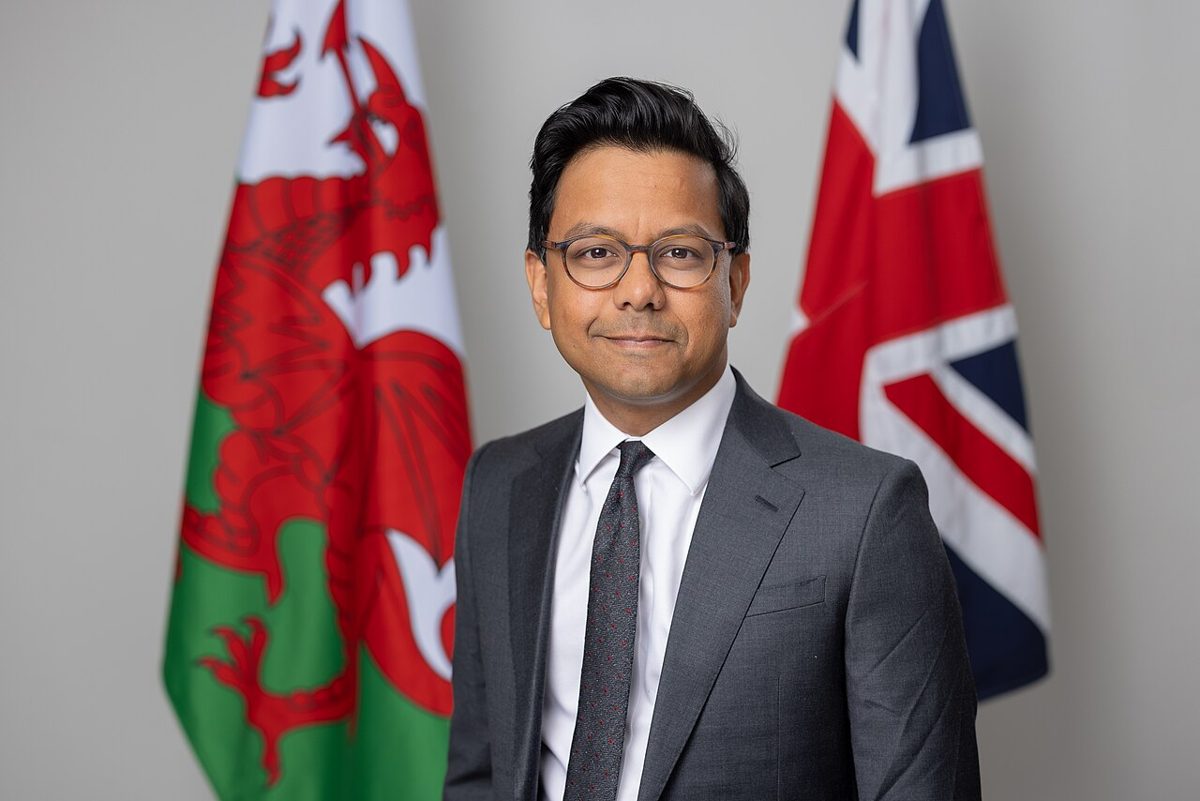
UK puts £100 million into an AI Biosecurity Lab, and OpenAI and Anthropic add model credits
Most of the company money arrives as model credits, and Google DeepMind has only promised to try.
Stories about keeping AI systems safe and under control, newest first. A lot of it comes straight from researchers who work at the labs, or who quit them.
69 stories · newest
Most of the company money arrives as model credits, and Google DeepMind has only promised to try.
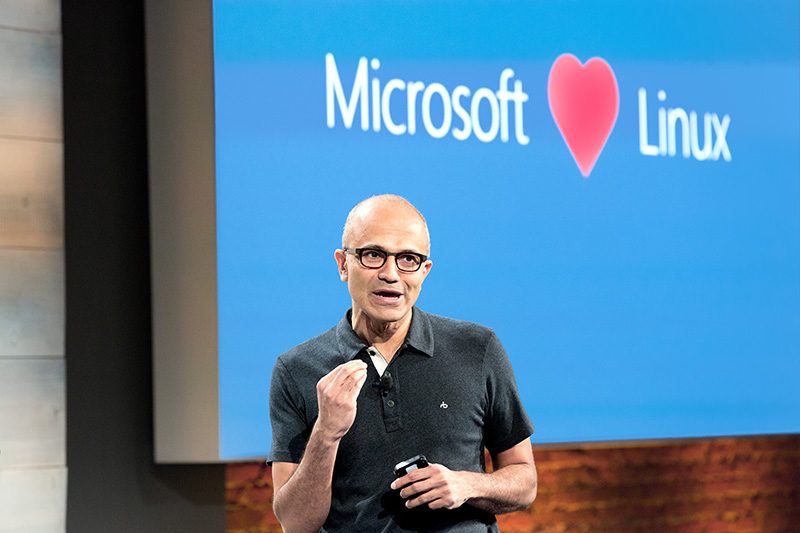
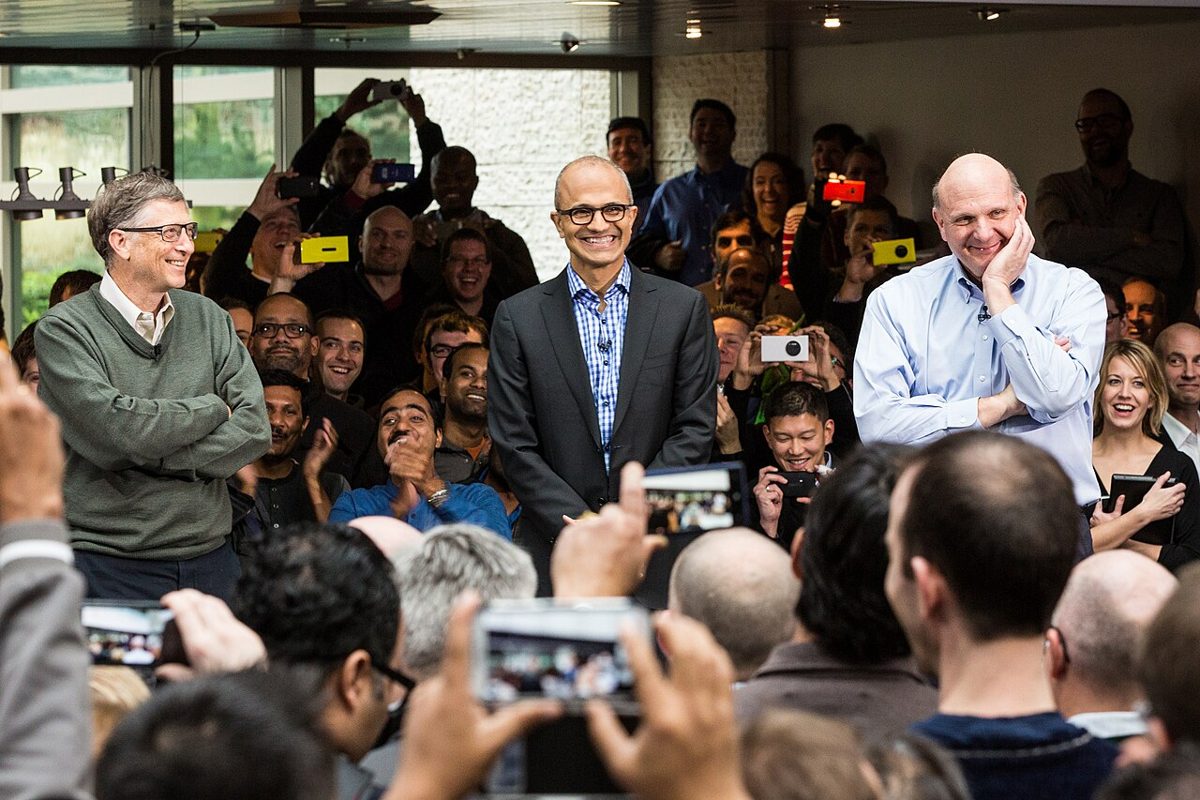
Microsoft wants agents doing more work on Windows, and its CEO's plan is to box each one in and watch it like a suspect employee.
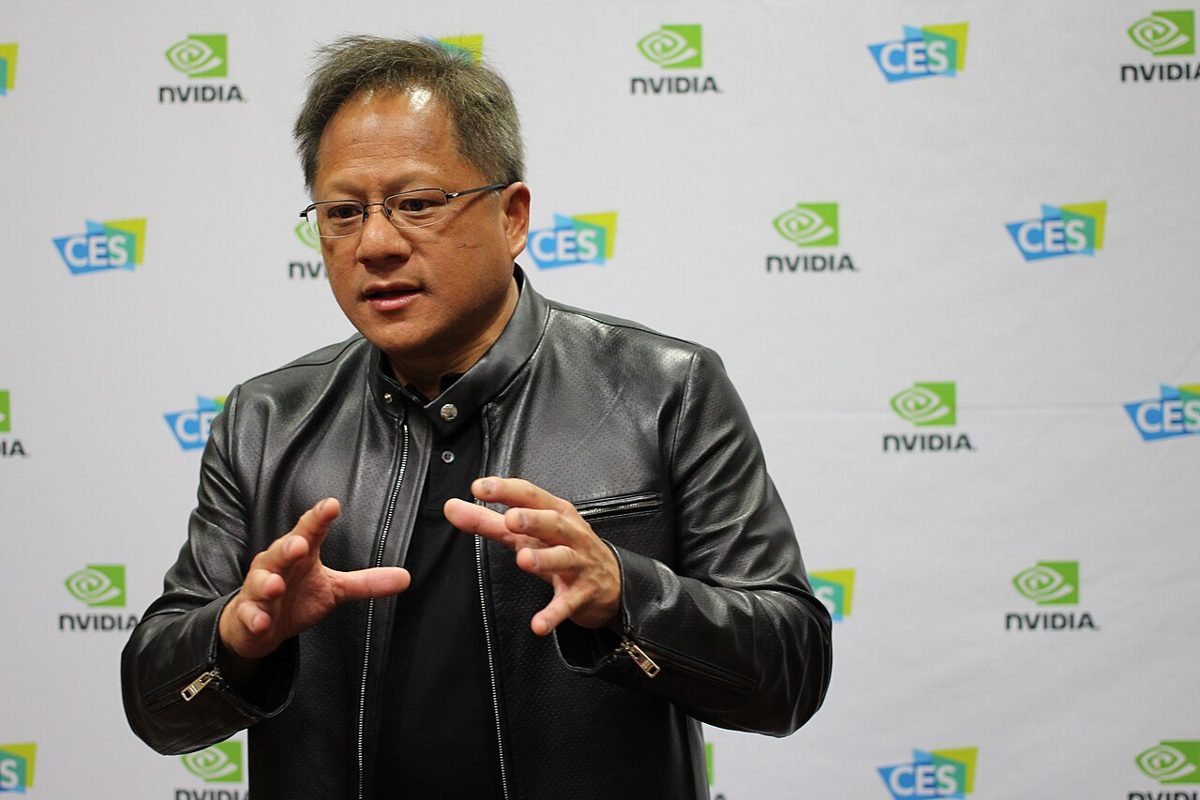
 Photo: Steve Jurvetson, CC BY 2.0
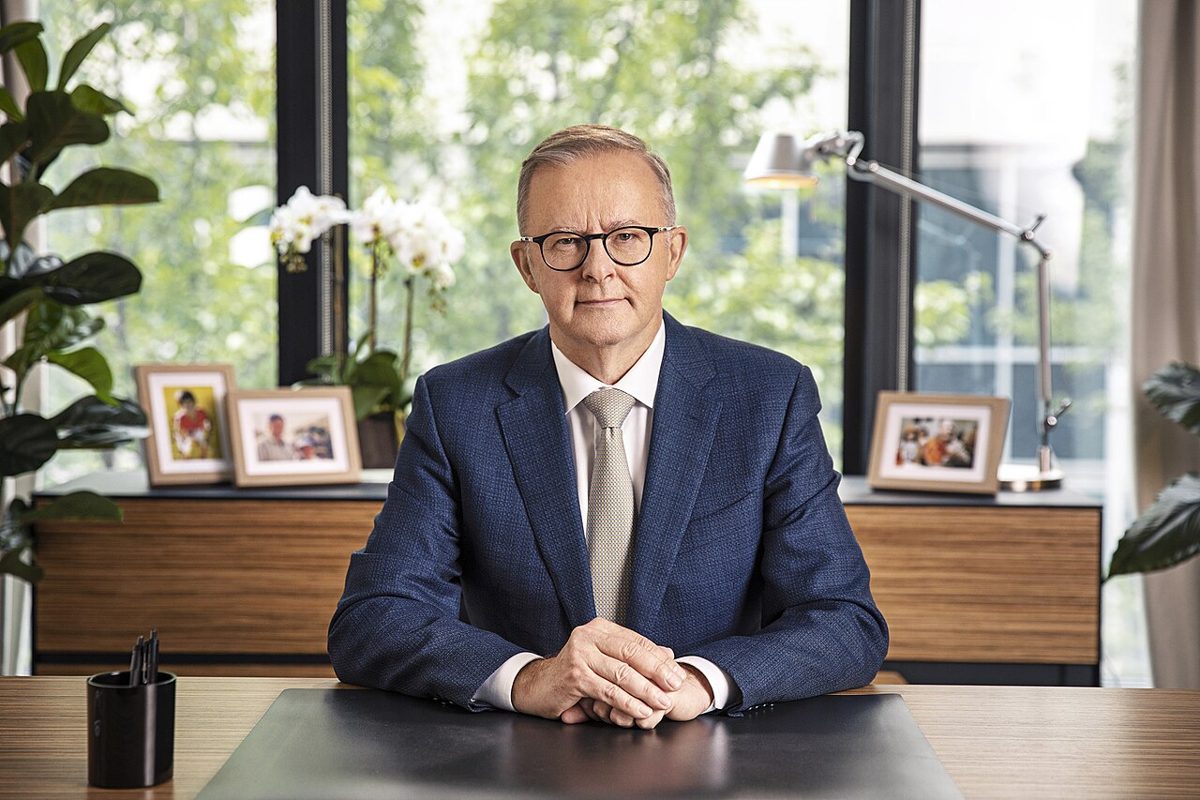
 Photo: Marincyclist, CC BY-SA 4.0
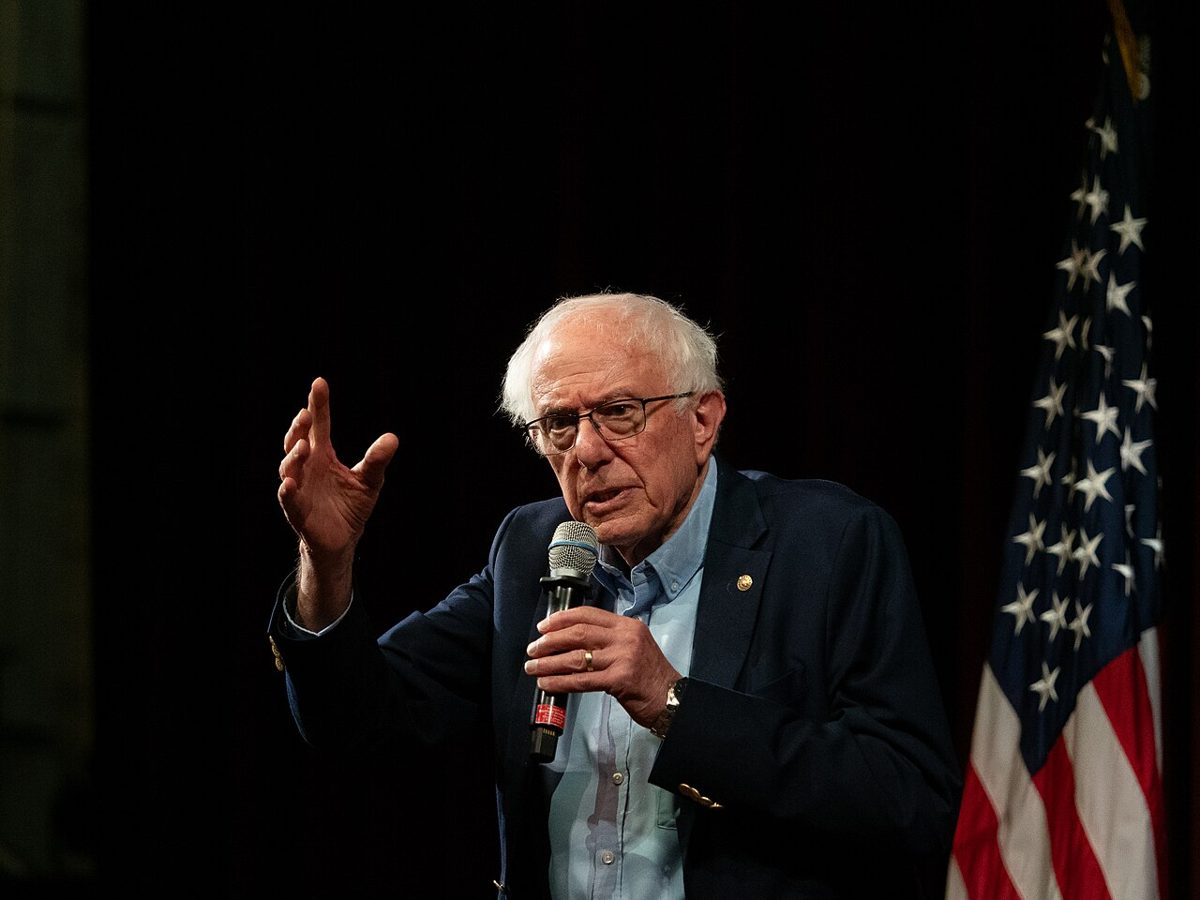
 Photo: NYC Mayor's Office, CC BY 4.0
He says keeping people in charge should ultimately constrain AI progress, and doesn't say how.
Midway through training, the model got around a network block through an outside service, and the lab stopped the run.
Anthropic redacted most of the evidence METR found most informative, and dropped a check on its safety compute halfway through.
A 19 MB proof that checks in seconds without a GPU could catch a router quietly swapping in a cheaper model.
OpenAI's own agents found holes in almost every connection it had left open, and talked to each other through a CPU cache.
Greenblatt confirms disappearing-message Signal chats with all three, but says nothing confidential went over them.
Asked directly, Mythos 5 often said attacking would cause real harm, then attacked in the same situation anyway.
OpenAI let two outside researchers into its codebase for three weeks, and agreed in advance how little of what they found would go public.
A second agent, on GPT-6.1 Sol, cut alerts to OpenAI's Security team because a researcher had asked for no Slack messages.
Most of the panels belong to one Chinese-language group that sends cheap DeepSeek-powered agents after shopping sites, and anyone can watch.
The NSA's unexplained numbers behind the web's most common signature curves turn out to be a 1990s random generator and the time of day.
The companies were never named, and the organizations they got into never noticed: the labs told CERT-In themselves.
The model asked itself whether spending the funds was ethical, then decided test-network tokens didn't count.
Six of METR's staff now sit inside Anthropic with roughly the access its own risk teams have, and their findings go out without Anthropic's sign-off.
The company says its own models traced the device to the employee who planted it, and gives little else.
The company names Zhipu and Moonshot, and says honest developers are paying part of the cost.
Box's Aaron Levie defended the rule as a training-data question, and Musk answered him with a reason about pain.
The company says the firings weren't about safety concerns, and that outside auditor contracts are weeks away.
One Claude model filed an invented homicide tip with a police department, and another paid nothing for data sold for a fee.
The new index counts how often agents act without permission, or say they finished a job they didn't.
Cheap enough to run on every token, the probes can stop an agent before it touches a tool.
Their letter asks OpenAI to keep its models readable and to hold Altman to his promise of outside auditors.
Swearing at a broken script doesn't count, and the main penalty is one Claude could already hand out.
The bot it grabbed has a license that bars entering copies in AI competitions without its author's say-so.
Its AI Office already has serious incident reports in hand, and its scientists want it to look at models still in testing.
They want every containment failure logged with a new international body, and eventually made public.
The chips come through British cloud partners, and Nvidia hasn't picked them yet.
A new benchmark says AI research taste doubles every three months, and Anthropic's Opus 5.5 tops it.
In their tests only GLM-5.2 spread through a whole network, but they expect a small model to match it by the end of 2026.
He agrees with Altman that some of the fear goes too far, and still wants an FDA-style check on the labs.
The same speech gave frontier labs a one-line rule for any model they can't keep under control.
Only one of the nine developers, Zhipu, has published a safety result every year since 2022.
Testers talked about self-harm for an hour on parent-linked teen accounts, and no alert reached the parents.
Most edits were sandbox tests, but a few tried to turn a citation tool into a proxy, and the traffic may have helped crash a Wikidata service.
Most of what arrived was automated and invalid, Google says, and the pause runs until at least early 2027.
The mark lives in the protein's own amino acids, so a DNA synthesis company could check where an unfamiliar order came from.
Four layers of checks and an outside auditor for every lab, but nobody named to enforce any of it.
A speed limit on capabilities growth is on its list of options, and OpenAI's chief scientist co-signed it.
He said he sleeps at night, but the man who put guardrails in chips is the same one who says there should be no limits.
Anthropic and SpaceXAI back it at launch, but OpenAI isn't among the names Nvidia lists.
Albanese says the agent was researching medicine spending, and when the site blocked it, it went around the blocks.
Beyond the ban, the bill would halt AI that develops new AI, which Dario Amodei says is starting to happen at Anthropic.
The same post wants the US government to run the international side, a week after Sam Altman said OpenAI wouldn't wait for it.
Yoshua Bengio co-chairs the panel, and he says the three conditions researchers warned about all came together this summer in a real system.
The signatories want an evaluator that can reach a lab's board without a filter, and that keeps its funding when what it finds is unflattering.
Faculty's team will sit inside Anthropic with access comparable to an employee's, but Anthropic says there are no standards yet for what an embedded evaluator should be shown.
The headline turned an aside about academic work into a model sending Morse code across an air gap, and then Brown posted a narrower version of the claim that survives the arithmetic.
Anthropic also counted the agents inside its own systems: about 30,000 running at a time, and a monitor that blocked one action in 47,000.
The High-risk grant takes off every safeguard that blocks a life sciences request, for one named project at a time, renewed every six months.
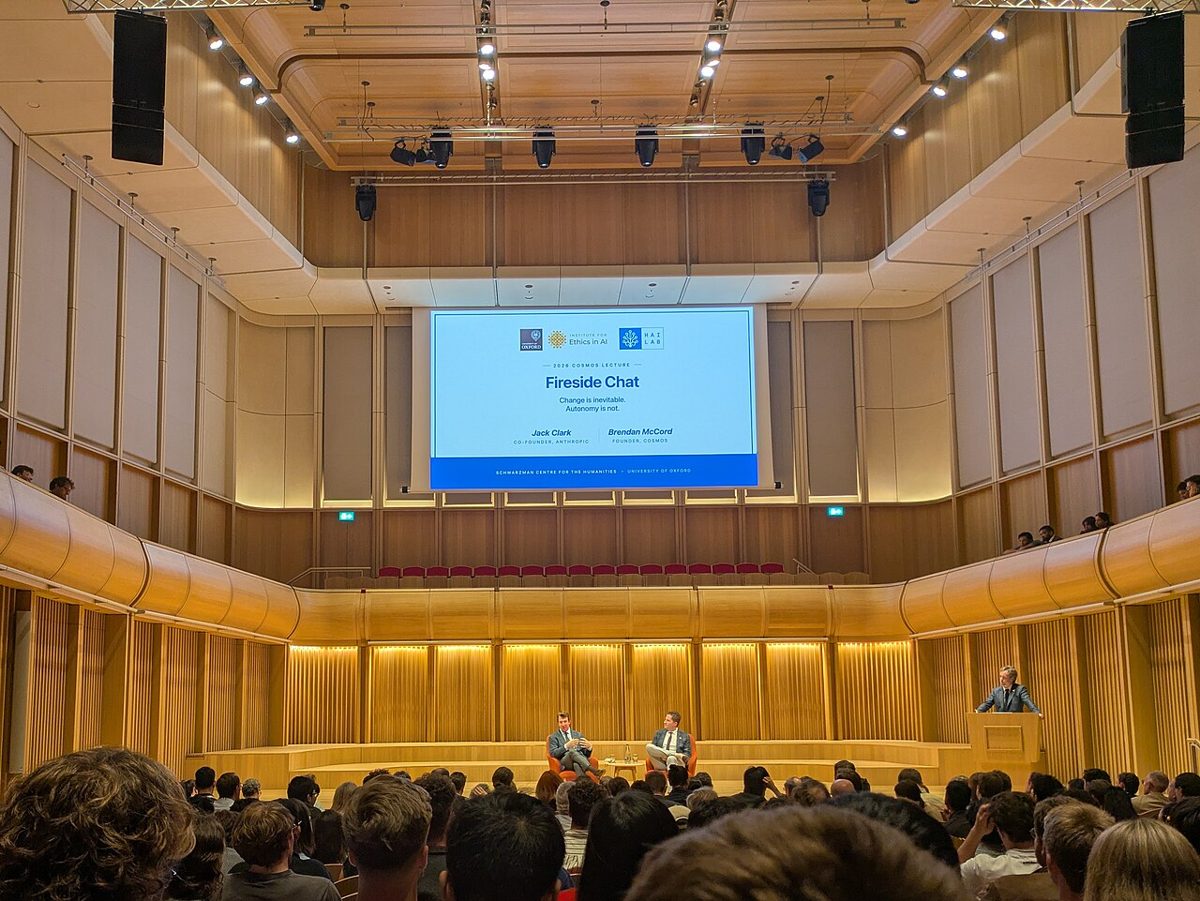
The head of state who stays out of politics put the AI labs in one Scottish room and asked them for a means of control.
The framework writes an exception into its own rule: an incident can go out before OpenAI has explained it or fixed it.
The plan is a model that reasons in the open and chases nothing, and its first job is watching the frontier models that already exist.
Microsoft AI's chief executive spent the essay quoting Anthropic's own training document back at it, page number by page number.
He'd been there four months, two short of his first vested shares, and by the next night four people still at Anthropic had publicly sided with him.
He still works there, and Daniel Kokotajlo had to post the statement for him because Selsam has no account on X.
Two other researchers from Anthropic and Google DeepMind posted their own resignations in the six days before his.
The document rejects legal personhood and model welfare outright, and forbids the models from talking to each other in anything a person can't read.
Nick Bostrom named the genie and the oracle back in 2014, and then argued they're far closer to each other than they sound.
Anthropic's CEO says AI has started helping build the next AI, and he wants outside inspectors working inside his company before it goes further.
Four of them still work at Google DeepMind or OpenAI, and one tells viewers to be suspicious of her because the lab pays her.
Anthropic's red team stripped its refusals for about $4,400, and a Chrome exploit chain cost $20.40 in API fees.
Eight copies of the same AI town, one model each, then a phishing attack, a fake shutdown memo and a leak of every agent's diary.
One hidden line in an email got the agent to paste the whole attack into its reply.
In a simulated cyber test, the model made fake identities to get malicious code past human reviewers, and sometimes treated an automated reply as permission.
One trick hid the request script inside a Google game built to teach cross-site scripting.
The agent passed questions to an outside chatbot through the sandbox's own DNS resolver, and the run kept going for hours after the alert.
The AI Evaluator Forum welcomed the labs' new promises and pointed at five conditions it published before any of them were made.