Meta open-sources Muse Gadgets, so you can build hardware for its AI agent
A spare Raspberry Pi or a cheap ESP32 board can now be a screen, speaker or button for Meta's agent, if you'll risk bricking it.
Meta has published free code for building your own hardware around Muse, its personal AI agent. Nat Friedman announced Muse Gadgets on X on October 2, 2026, calling it a side project, and the SDKs went up on GitHub under the Apache 2.0 license the same day.
There are two of them. One runs on cheap ESP32 boards, the other turns a Raspberry Pi or a spare Linux box into a gadget. Muse, which reached the Mac in September, can then use whatever you've wired up: a screen, a speaker, a button, a sensor.
- What
- open source ESP32 firmware and Linux SDK
- License
- Apache 2.0
- Boards
- ESP32, Raspberry Pi or Linux box
- Needs
- an SDK token and the Muse app
- Meta's own device
- Muse Home Link, free for Muse subscribers
What you can build
The project site lists eight starting points, most of them boards you can buy today. A Seeed color e-ink screen shows a morning briefing or a shopping list. A round AMOLED touch screen and a tiny desk buddy both do push-to-talk, with Muse answering out loud. A Raspberry Pi 5 lets Muse work with Home Assistant.
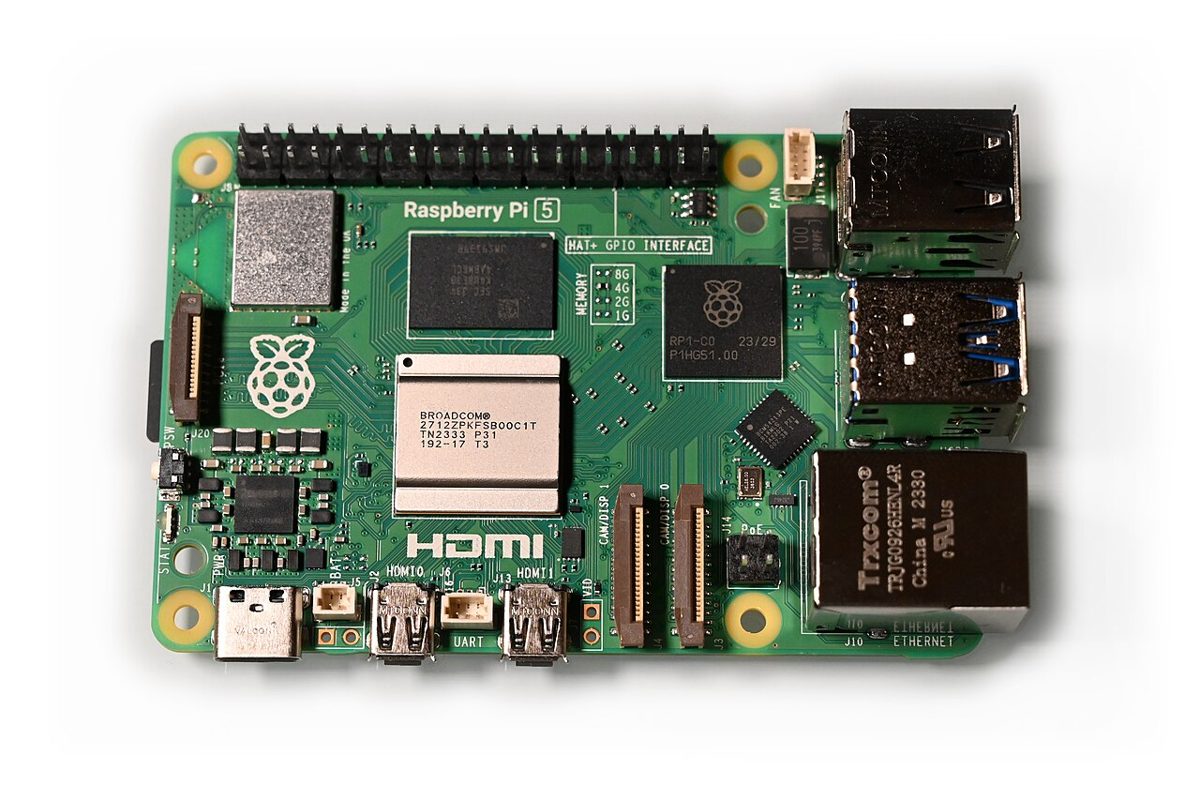
Each folder in the repo has an AGENTS.md file, written for coding agents, and Friedman's pitch is that you point one at the repo and let it do the wiring. The site is blunt about the odds.
Side effects of tinkering may include bricked boards, voided warranties, brownouts, or bankruptcies. Proceed at your own risk!
David Singleton, who posted about it the same afternoon, listed what he had in mind.
Excited to open source the Muse Gadgets SDK today! You can connect your DIY electronics like ESP32 boards and Raspberry Pi to Muse. Build an e-ink morning briefing, a push-to-talk pocket device, a sysadmin for your homelab, and much more. Details at
Meta's own gadget
Meta also made one itself. Muse Home Link is a small USB-C stick built on an ESP32-C5 chip that sits near your router, so Muse can reach the TVs, speakers and lights on your home network through skills the community writes.
We built a gadget of our own, too: Muse Home Link is a little usb-c powered device that allows Muse to connect to your home network to talk to smart home devices like TVs and speakers and anything else that exposes https. We manufactured a batch of 5000 Home Links which should be ready to ship in a few weeks, and they are free for Muse subscribers while supplies last. Claim yours at https://t.co/Q0dE0cYnCs All the code for Muse Home Link is open source too!
The fine print narrows that. Home Link is free with an active Muse subscription in the United States only, one per subscriber, and it can't be reflashed with your own firmware (even though its code is open). Meta says it ships in October.
What the token allows
Every gadget needs an SDK token to pair, and the token terms are where the limits sit. They're for personal, non-commercial use. You can put one token in up to 50 devices you give to other people, but you can't sell them or list them in a store, and you have to tell anyone you hand one to what it does with their data.
The terms also say the SDK is provided as is and isn't a supported product. Community skills for Home Link can break, and Meta warns against using them for home security or anything medical.
Some of the reaction skipped the project list entirely.
Love. Makes me want to build something physical.
The repo had 798 stars and 120 forks when we read it on October 3. A TV stick that puts Muse on your big screen is listed on the project page as coming soon.
More on Meta
- Meta starts an enterprise AI unit and hires MongoDB's CEO to run itSeptember 29, 2026
- Meta's Muse agent is coming to its glasses and will act on what you're looking atSeptember 24, 2026
- Meta Muse models explained: Muse Spark 1.3, 1.2, 1.1 and Glimmer, with release datesSeptember 23, 2026
- One undocumented Muse setting lets local malware redirect your dictation, and Patrick Wardle shipped the exploitSeptember 22, 2026