Meta creates non-voting shares to fund AI after Zuckerberg wouldn't back a sale cutting his votes
Meta's filing says Zuckerberg wouldn't back a share sale that cut his votes, and AI needs the money anyway.
On October 21, 2026, Meta said it will create a new class of stock with no votes attached, and its filings say why: AI needs an enormous amount of money, and Mark Zuckerberg won't back a big share sale that cuts his voting power. The new Class C shares take effect on January 19, 2027.
Every existing Meta shareholder will get one Class C share for each share they hold. Meta expects that to work on the Class A price like a two-for-one split, and it plans to sell more Class C shares later to raise money.
- New shares
- non-voting Class C common stock
- Effective date
- January 19, 2027
- Zuckerberg's voting power
- approximately 56.1%
- 2026 capital expenditures
- $135-145 billion
- Q3 free cash flow
- negative $2.12 billion
Why Meta wants shares with no vote
Meta's information statement to shareholders says it plainly. It describes an inflection point driven by the growth of AI and an enormous need for capital, and says Class C stock gives Meta a currency for financings, acquisitions and employee pay without diluting anyone's votes.
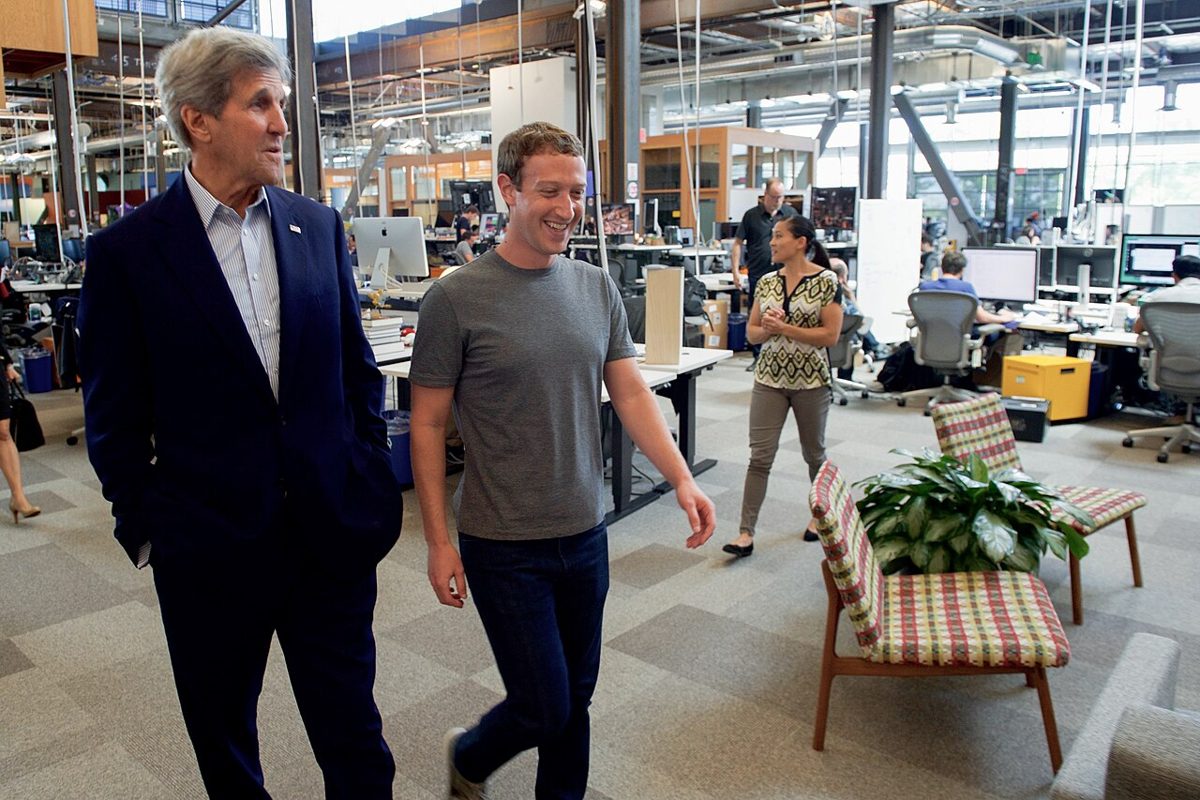
The board's special committee looked at selling ordinary Class A shares instead. That went nowhere.
Mr. Zuckerberg made it clear during the course of the negotiations with the Special Committee that he would not support a significant equity financing that would have the effect of reducing his voting power in the Company.
There's a foreign angle too. Non-voting shares let Meta take money from sovereign financial institutions under US foreign direct investment rules (the filing doesn't name any).
The spending behind it
Meta's third-quarter results came out the same day. Revenue was $64.60 billion, up 26%, but more went out than came in. Capital spending in the quarter was $34.91 billion, and free cash flow was negative $2.12 billion. Meta now expects 2026 capital expenditures of $135 billion to $145 billion, narrowed from $130 billion to $145 billion.
Zuckerberg's own line on the quarter was about Muse and Muse Wonder, which Meta calls its first frontier model (we covered the launch). Meta also says it's moving Reality Labs money toward other priorities, mainly AI, and expects that unit's losses to narrow to around $15 billion next year.
We hit major milestones this quarter toward delivering personal superintelligence for everyone
What it means for shareholders and California voters
For anyone who owns Meta shares, nothing changes on day one: Meta says the dividend doesn't change anyone's voting power. The change comes later. Every Class C share Meta sells raises money from new owners who get no say, so outside investors' share of the votes won't grow however much they put in. Zuckerberg holds approximately 56.1% of the votes, and the filing notes Class A holders' support wasn't needed, since his Class B shares let him approve the change alone.
The filing also ties the deal to an election. California's Proposition 40, a one-time wealth tax on the November 3, 2026 ballot, could leave Zuckerberg owing a multi-billion dollar tax bill, according to the filing. Under his new Founder Alignment Agreement he can sell up to 20% of the Class C shares he receives (about 10% of his economic stake) for any reason, including that tax, without losing majority control.
So a California ballot measure is now written into an AI company's share structure. That's the detail I'd keep. The committee weighed a possible wealth tax and the cost of AI side by side, as two things that could each wear down Zuckerberg's control.
The rest of his Class C shares unlock in stages tied to staying on as CEO, and further Class C dividends depend on what the filing calls extraordinary stock price targets. His salary stays at $1 a year. The dividend's record and payment dates are still to be set by Meta's board.
More on Meta
- Meta pauses Muse chat sharing after a security firm finds 6,800 share addresses in public DNSOctober 20, 2026
- Meta drops AI training from the website-crawling clause in its new business termsOctober 18, 2026
- Meta releases Muse Spark Open's weights, tuned with Apple to run on two Mac StudiosOctober 15, 2026
- Wyden and six senators ask Meta to justify research tax credits on its AI data centersOctober 15, 2026