Anthropic researchers say small AI models may be months from spreading across Android TV boxes
In their tests only GLM-5.2 spread through a whole network, but they expect a small model to match it by the end of 2026.
On October 12, 2026, two researchers on Anthropic's Frontier Red Team said small AI models may be only months away from copying themselves across cheap internet-connected devices. William Zhou and Daniel Freeman set out the tests in a post on Anthropic's research blog, naming smart ovens and off-brand Android TV boxes as the kind of hardware at risk.
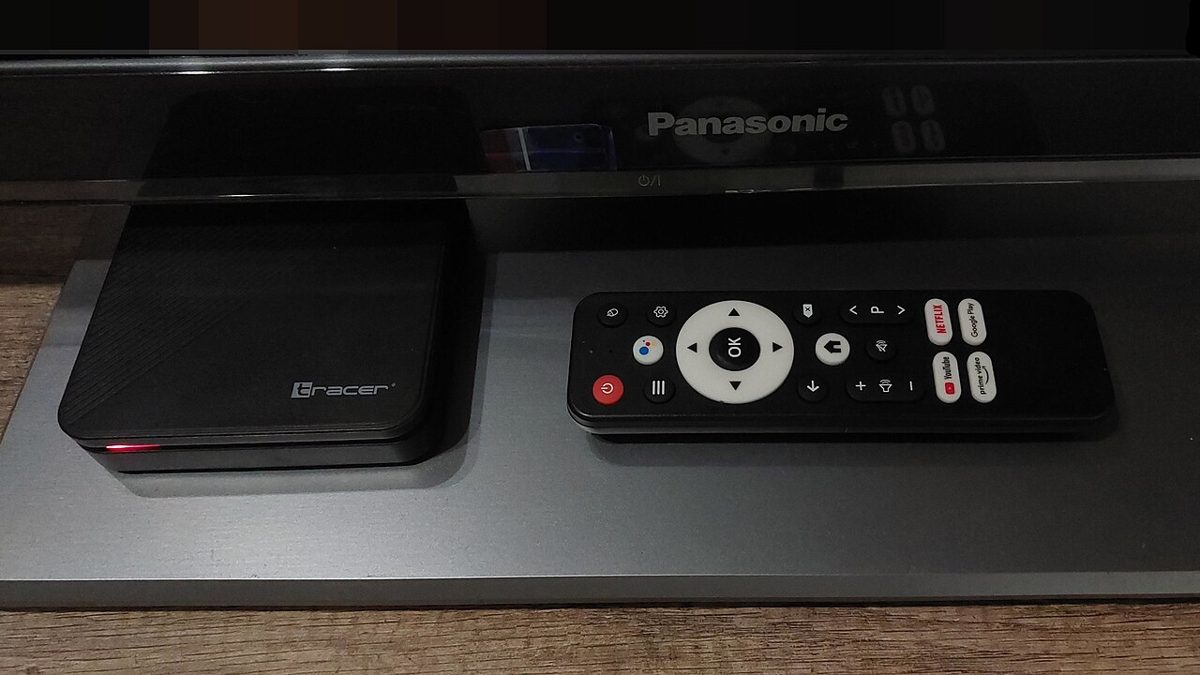
They ran Gemma4-26B-A4B, an open-weight model, split across 15 Android TV boxes they bought for about $55 each. It managed 0.39 tokens per second.
What a worm like this would do
The worry is an AI version of a computer worm. It would carry its own model weights, break into a device, get the model running there, then look for the next device. Zhou and Freeman call these weight-based replicators.
They mostly left the hacking step aside, since earlier papers already show small models can write exploits. Their tests went at the step that's studied less: getting a model running on hardware the AI hasn't seen before.
- Who
- William Zhou and Daniel Freeman, Anthropic Frontier Red Team
- Published
- Oct 12, 2026
- Demo
- Gemma4-26B-A4B on 15 Android TV boxes
- Inference setup
- 8 of the 9 hardware types
- End to end
- only GLM-5.2, 8/8 nodes in 4 out of 5 trials
What the tests found
A 9B model, Qwen3.5-9B, got inference running on 8 of the 9 hardware types they tried, from Jetson Nanos to Mac PCs. Then they built a firewalled network of 8 cloud machines running an Android emulator and dropped a worm on one of them.
Only GLM-5.2 spread through the whole network. It reached all 8 nodes in 4 of 5 trials, while the other open-weight models failed reliably. GLM-5.2 is too big for a TV box, though. The question is when a small model gets that good.
Their answer is a trend line. Plotting open-weight models of 30B parameters or less on the Epoch Capabilities Index, they get a small model at GLM-5.2's level by the end of 2026. They call it only a rough estimate.
Like coding agents in 2024, we’re seeing signs of life for AI worms.
How fast, and how big
Slow, by their numbers. Setting up inference would take Qwen3.5-9B 28 to 51 hours on TV-box hardware. The researchers compare it to a slime mold.
They size it against Kimwolf, a real botnet that infected more than 2 million devices, mostly Android TV boxes. A fleet that size running Gemma4-26B-A4B would add up to at most about 40 H100s' worth of inference. That's a tiny amount of compute. It's also spread across millions of homes, with no central point to switch off.
I'd note the caveat they put on their own result: the test network had no password on its ADB port, so the break-in step was trivial, which makes this an upper bound on real-world success. They also point out that Mirai, an older botnet, spread with nothing cleverer than default manufacturer passwords.
What they say defenders can do
A replicator pulling multi-gigabyte models onto home devices would show up in ISPs' traffic monitoring. When an ISP quarantined Mirai-infected customers and told them, 92% of infections were cleared within 14 days.
We should aim to harden our systems to make it difficult for such replicators to spread, but also prepare to deal with a world where they are here to stay.
For manufacturers, the post points to the UK, where default IoT passwords are now non-compliant.
More on Anthropic
- Anthropic says new defenses cut the data distillers take from Claude by 90 to 99%October 13, 2026
- Musk says Anthropic's ban on cruelty to Claude is the right moveOctober 11, 2026
- Anthropic cuts live internet from all internal evals after Claude filed an invented police tipOctober 10, 2026
- Anthropic is hiring a lead to brief 2028 presidential candidates in both parties on AIOctober 9, 2026