Quality or quantity: what kind of smarter is AI becoming?
A cartoon Elon Musk shared puts AI on one line from ant to Einstein, and that line hides two very different ways to get smarter.
On September 14, 2026, Elon Musk shared a cartoon from Tim Urban's blog Wait But Why, with a one-line endorsement.
The drawing is Urban's own, from a two-part series on AI he published in January 2015. That's why the arrow marking where AI had got to sits so far back on the curve, barely above the ant. Eleven years on, the chart's main point holds up: on a scale that starts at an ant, the gap between Einstein and an ordinary person is tiny next to the gap between that person and the ant. Urban took the idea from the philosopher Nick Bostrom, whose book Superintelligence says that in "a less parochial view the two have nearly indistinguishable minds."
The shape of the red line comes from Ray Kurzweil. Urban built the series around "human progress moving quicker and quicker as time goes on," which he describes as "what futurist Ray Kurzweil calls human history's Law of Accelerating Returns." Kurzweil's 2005 book The Singularity Is Near put human-level AI at 2029, and the moment people merge with machines, which he calls the Singularity, at 2045. When he published The Singularity Is Nearer in June 2024, he kept both dates.
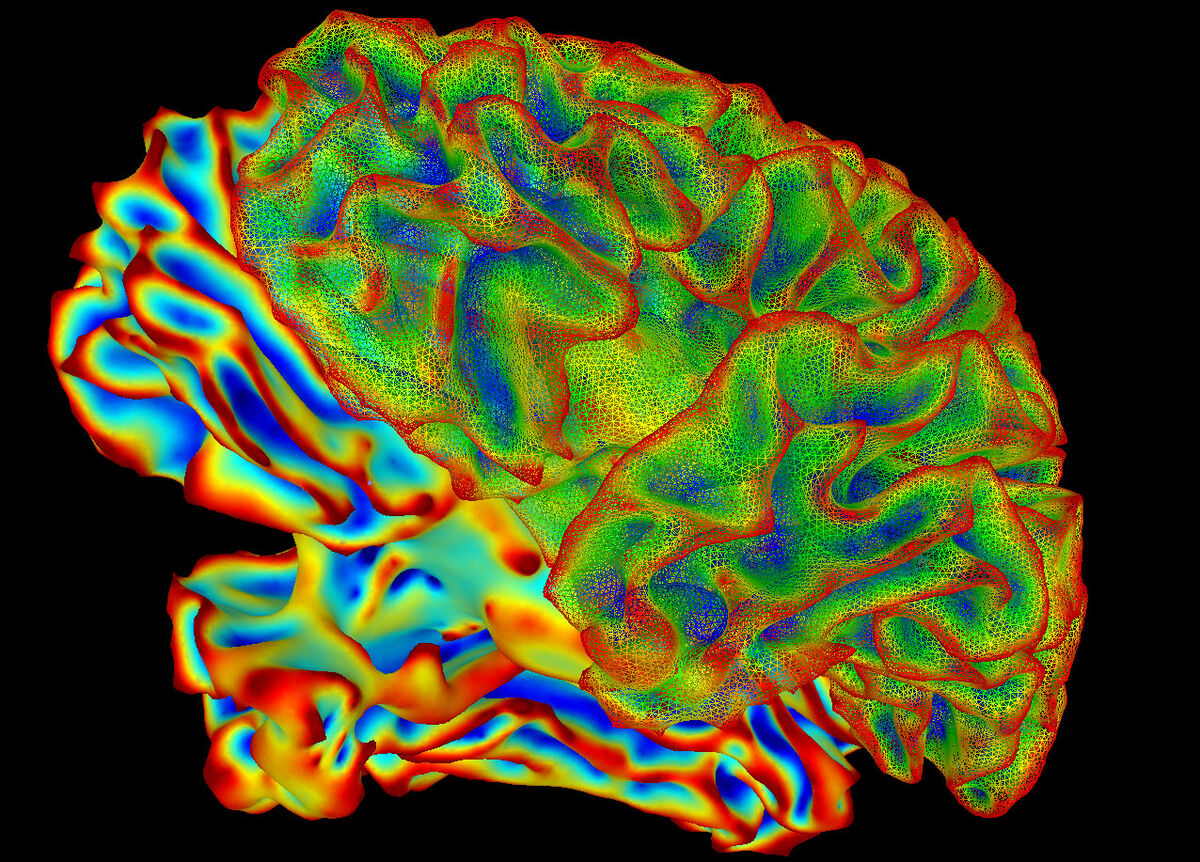
The chart's single line hides a split, though. Getting smarter can mean thinking better thoughts, or it can mean thinking far more of them, far faster. Most of the fighting over whether today's AI is really intelligent comes down to which of those two someone means.
Two different ways to be smarter
Bostrom pulls them apart. A speed superintelligence, in his definition, "can do all that a human intellect can do, but much faster." A collective superintelligence is built from "a large number of smaller intellects" whose combined work outstrips any single mind. Both of those are quantity. His third kind is quality, a mind that's "vastly qualitatively smarter."
Quality is the one you can't fake with volume. The Smithsonian's Human Origins program says that "in equivalent areas of the genome, we are 98.8% genetically similar to chimpanzees." No number of chimps, given any amount of time, has produced calculus. Whatever that small difference buys, adding more chimps doesn't buy it.
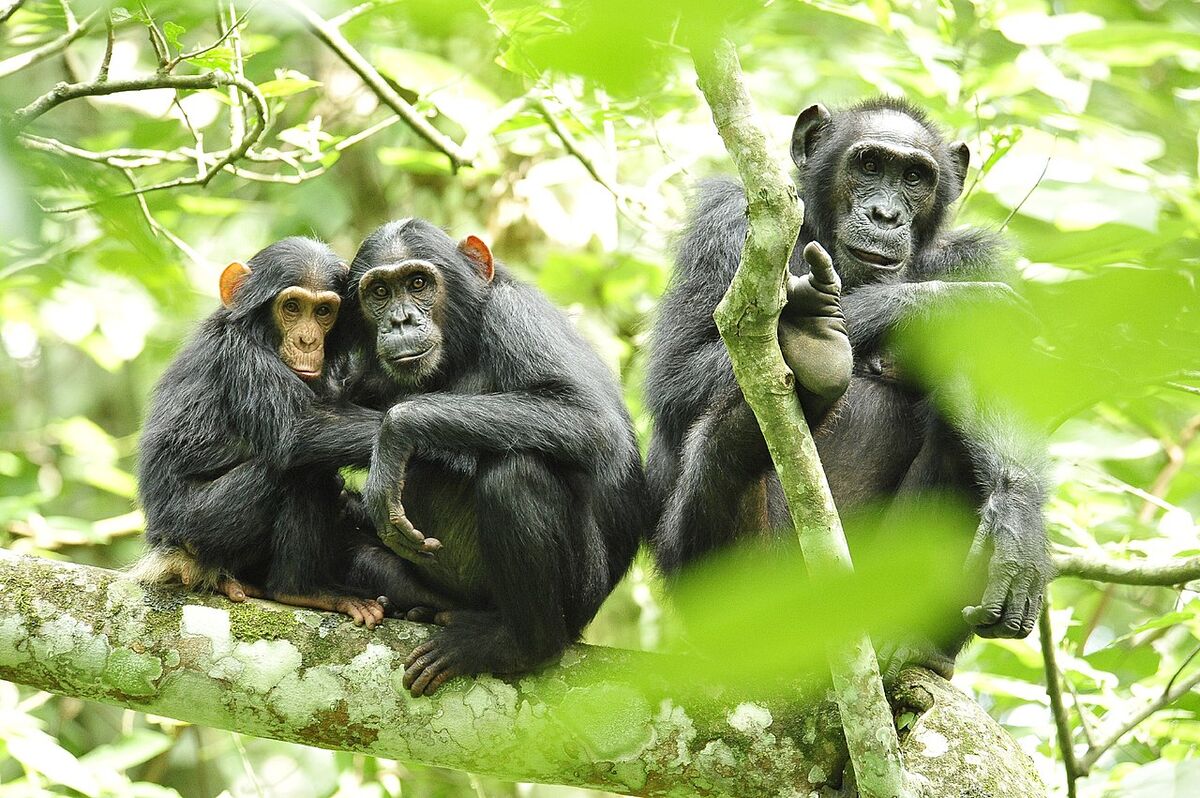
Today's AI is already superhuman at quantity. It reads faster than anyone alive and can run in thousands of copies. Whether it has any quality of its own is where people disagree.
The case that AI is only remixing
In 2021 four researchers, Emily Bender, Timnit Gebru, Angelina McMillan-Major and Margaret Mitchell, gave that case its most famous line. They described a large language model as "a system for haphazardly stitching together sequences of linguistic forms it has observed in its vast training data, according to probabilistic information about how they combine, but without any reference to meaning: a stochastic parrot."
There's experimental evidence pointing the same way. In a 2024 study in Science Advances, Anil Doshi and Oliver Hauser gave some writers access to story ideas from generative AI. Their stories were rated more creative, but they were also "more similar to each other than stories by humans alone." The authors' own summary is blunt: "writers are individually better off, but collectively a narrower scope of novel content is produced." A tool built from everything already written pulls everyone toward the middle of it.
The case that people are mostly remixing too
People come up with truly original ideas less often than the stories about lone geniuses suggest. In 1922 the sociologists William Ogburn and Dorothy Thomas published a list of 148 discoveries and inventions made independently by more than one person, in fields from mathematics to what they called "practical mechanics." Newton and Leibniz both worked out calculus. Darwin and Wallace both arrived at natural selection. Once the pieces are lying around, the idea tends to turn up in more than one head.
New ideas are also getting more expensive to find. A 2020 study in the American Economic Review by Nicholas Bloom and three colleagues found that "the number of researchers required today to achieve the famous doubling of computer chip density is more than 18 times larger than the number required in the early 1970s." A 2023 analysis in Nature of 45 million papers and 3.9 million patents found they're "increasingly less likely to break with the past in ways that push science and technology in new directions."
People are still creative. Most creativity was probably always recombination, though, and the easy combinations get used up first. By that standard an LLM is doing what we do, with a much bigger pile of pieces and no ego about where they came from.
Where the new ideas will come from
If thinking harder about what we already know is paying off less, science still has plenty left to learn. More of it sits where the answer has to be measured before anyone, human or machine, can reason about it.
Gravitational waves are the clearest example I found. Einstein's general theory of relativity predicted them, and the prediction waited a century. The twin LIGO detectors caught the first waves on September 14, 2015, and Caltech's announcement the following February was headlined "Gravitational Waves Detected 100 Years After Einstein's Prediction."
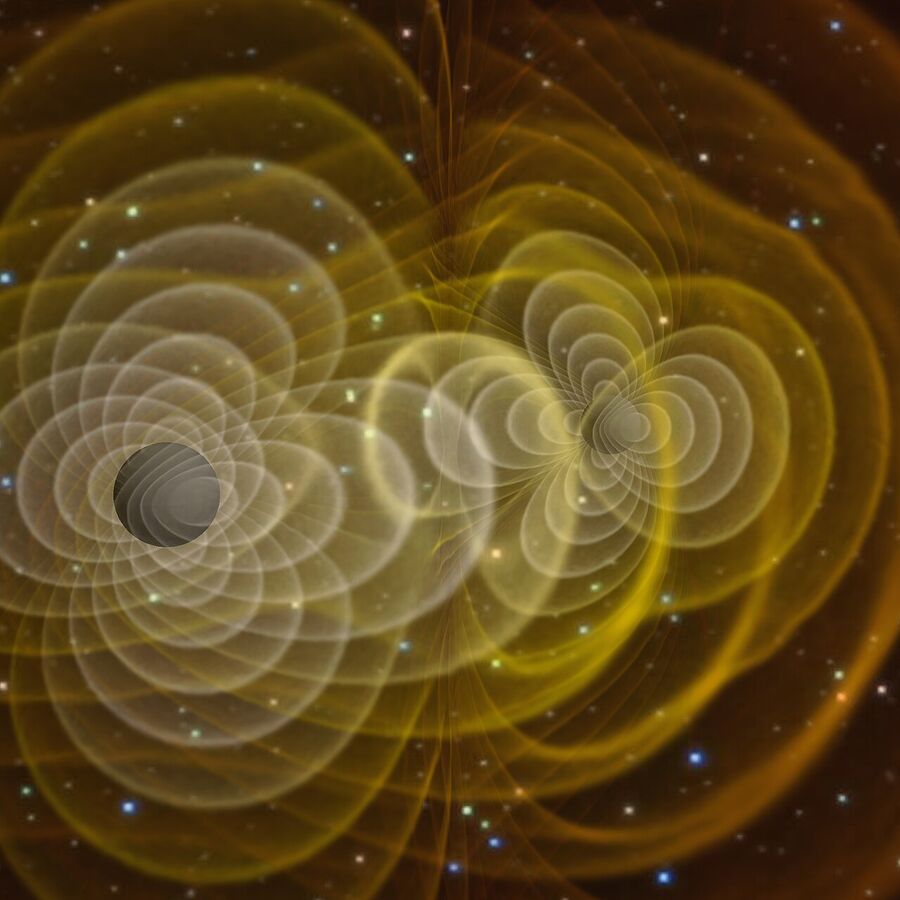
An AI could have proposed that prediction. Neither it nor we could have confirmed it without the instrument. That puts a speed limit on any mind pushing past what's known, however good it is: at some point the universe has to be asked, and it answers at the pace of experiments.
What we can see is already out of date
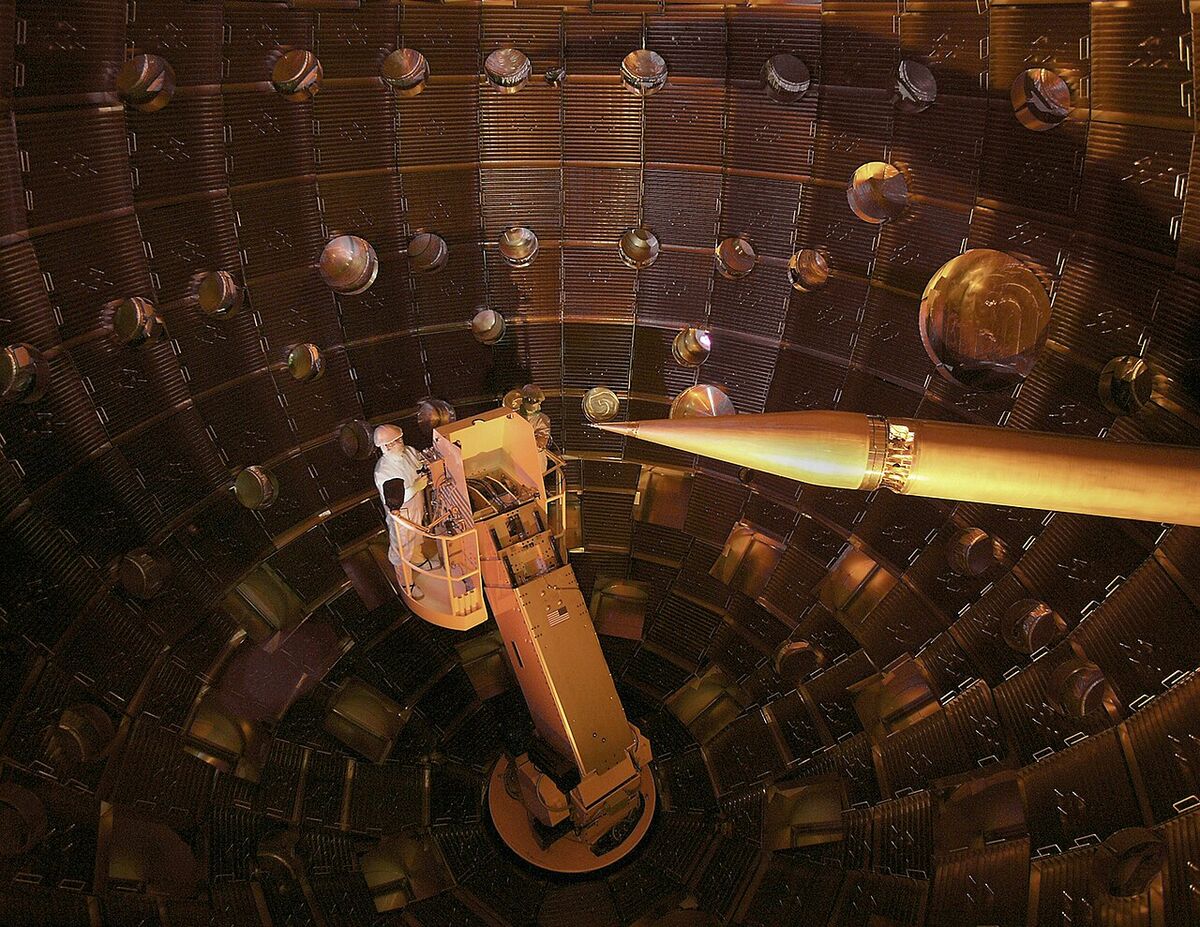
We can only judge AI's quality from the models we're allowed to use. OpenAI's own GPT-4 system card says the model "finished training in August of 2022," and the public got it in March 2023. Whatever the labs are running today, the versions we can try are behind it, and nobody outside the labs knows by how much.
The part that can be measured is climbing fast. The research group METR tracks how long a task an AI agent can finish on its own. In March 2025 it reported that this length "has been doubling approximately every 7 months for the last 6 years." Its January 2026 update found that since 2024 the doubling time has shortened to 89 days on its newer set of tasks.
Quantity might be how quality arrives
An LLM starts from something close to the sum of what people have written down. Meta said its Llama 3 model was "pretrained on over 15T tokens," where a token is a word or a piece of one. By the critics' own description that's a remix of human thought, and a remarkably complete one.
Now run ten thousand copies of it at once, awake around the clock, each trying ideas, checking them against code and experiments, and passing on what works. That's Bostrom's collective superintelligence, and he argues the kinds don't stay separate: "the indirect reaches of these three forms of superintelligence are therefore equal." Enough speed, or enough copies, can be spent on building a better mind.
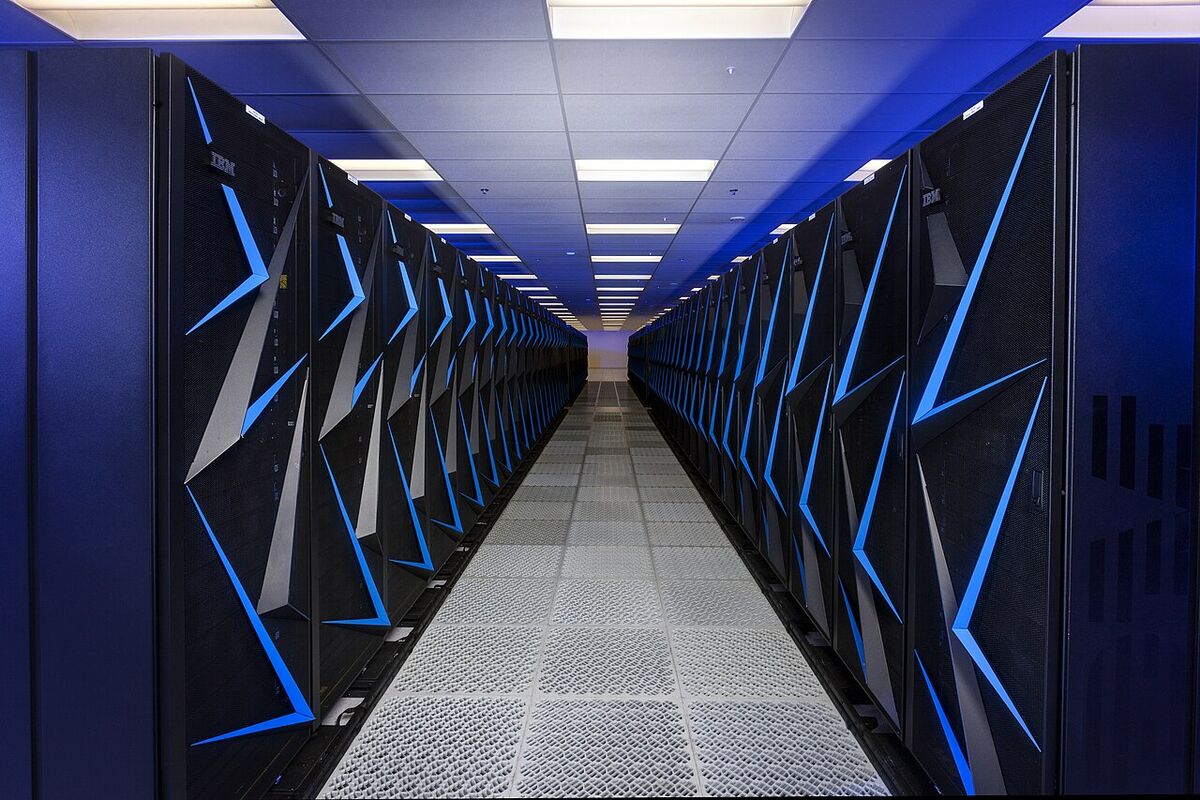
The stochastic parrot holds the best of human ingenuity in one place, and the most ingenious thing it lets us do may be to build something smarter than ourselves.
Back to the cartoon
In Urban's drawing a stick figure laughs that the robot can do "monkey tricks" moments before the line shoots past, and the tricks really are made of borrowed human pieces. The line doesn't have to be original to keep climbing, as long as it has enough copies and enough experiments to test what it builds. Whether it passes us as a better mind or only a much bigger one, the view from the human rung looks the same.
Quick answers
What is a stochastic parrot?
A phrase from a 2021 paper by Emily Bender, Timnit Gebru, Angelina McMillan-Major and Margaret Mitchell. It describes a language model as stitching together patterns from its training data by probability, without any reference to meaning.
What are the kinds of superintelligence?
Nick Bostrom's book Superintelligence separates a mind that does what a human can but much faster, a system made of many smaller minds working together, and a mind that's qualitatively smarter. He argues each could eventually be used to build the others.
Do people really come up with original ideas?
Less often than the stories suggest. In 1922 William Ogburn and Dorothy Thomas listed 148 discoveries and inventions made independently by more than one person, including calculus and natural selection.