Trump says American companies that build AI data centers abroad will face a 'tremendous tax'
He gave no rate and no date, a day after Commerce started licensing chips for overseas data centers that supply compute to Chinese companies.
On November 20, 2026, at a White House news conference, President Trump said he won't let American companies build data centers in other countries. Companies could still do it, he said, but they'd face a tremendous tax if they did. The White House posted the full video the same day.
The White House's own written recap files the remark under keeping critical infrastructure in America. It doesn't mention the tax.
We’re not going to allow our companies to build data centers outside of our country. We’re not going to allow that to happen.
Why he says it matters
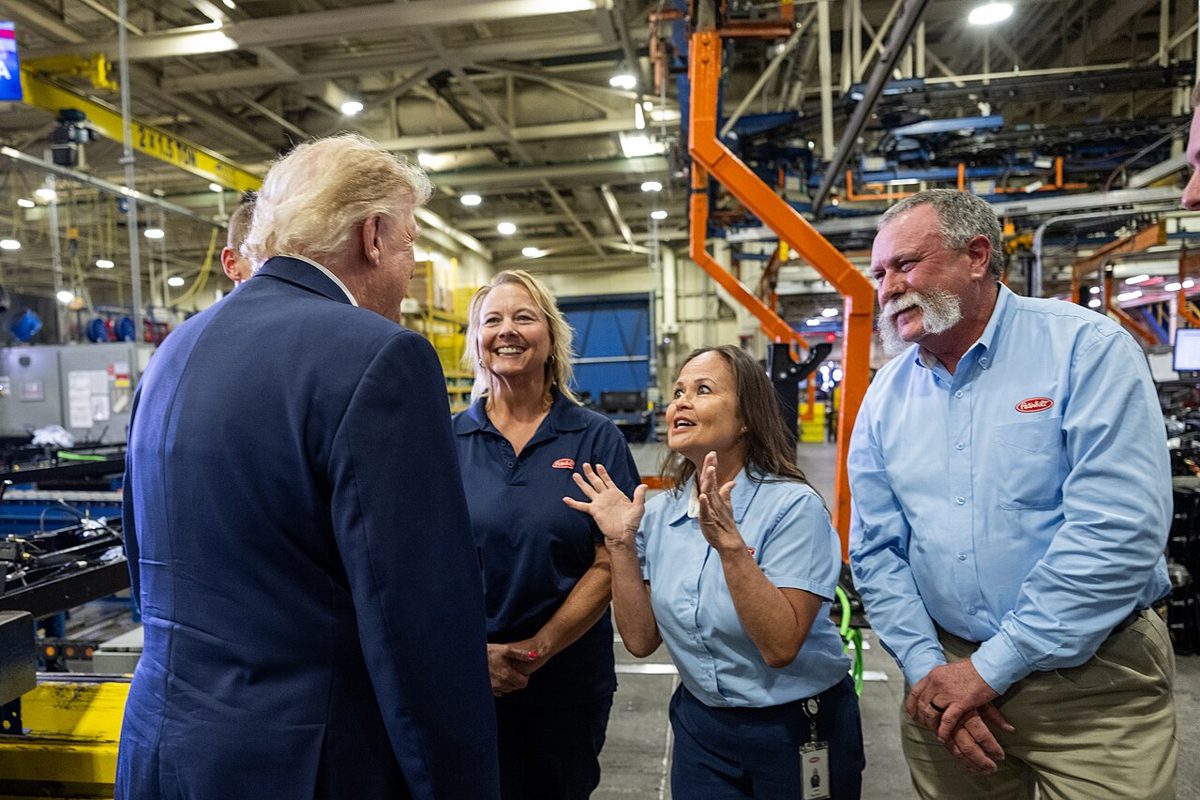
Trump tied it to the AI race with China. The White House's rapid-response account clipped that part and posted it at 12:51 pm Eastern, while the news conference was still going.
. @POTUS : "Whoever wins SI, wins... We're not allowing data centers to go into other countries — because China will take all of them, and we're not allowing that to happen."
SI stands for super intelligence, the name Trump gave AI in a renaming we covered, so the clip opens with his line that whoever wins super intelligence wins. In the recap he also compares data centers to chips, which he says left the country under earlier administrations and did great damage.
He gave no rate, no legal route and no start date in either the clip or the recap. Nor did either one say whether a data center a company already runs abroad would count, or whether the tax would fall on building, on owning or on renting compute overseas. I'd treat it as a stated goal until a bill, an order or a Treasury rule appears.
What the Commerce rule from the day before already does
The remark lands one day after the Commerce Department published a rule on remote access to advanced chips in the Federal Register, on November 19. That rule goes after overseas data centers from a different angle, through export licenses.
First, this rule establishes new restrictions which will apply for exports, reexports, or transfers (in-country) to overseas data centers that remotely supply significant volumes of compute to companies headquartered in Country Group D:5 or Macau.
The rule also adds a license requirement for advanced chips going to Indonesia, Malaysia, Singapore, Thailand and Brazil, which it calls higher-than-normal diversion risks, and it formally drops the earlier AI Diffusion rule. Its comment period closes on January 19, 2027.
So the two point the same way with different tools. The Commerce rule controls which foreign data centers can get American chips and who they can sell compute to. Trump's tax, as he described it, would hit the American company for building abroad at all, including in allied countries the Commerce rule leaves alone.
What it means for towns, jobs and power bills
The pitch to voters is in the last line of the recap's section: we want them to build it here, in the president's words. That decides which communities get the projects, and we've covered both sides of that trade, from a Senate report on whether AI data centers pay their full costs to Virginia's order on data centers.
Forcing more building at home also runs into permits. In the same news conference Trump said permitting reform legislation had passed the Senate the night before and now goes to the House, and he predicted it would cause tremendous amounts of new building. The recap says the bill is projected to put at least $1,300 a year back in Americans' pockets, though it doesn't say who made that projection.
For companies with sites already planned overseas, the practical question is whether the tax ever takes legal form. The permitting bill goes to the House next.
More on AI policy
- House chairmen urge banning Chinese AI models from federal work, and Cursor's maker may drop themNovember 21, 2026
- Bessent says Trump and Xi agreed humans must stay in military AI decisionsNovember 20, 2026
- European Commission confirms a cyber campaign run with a public AI tool, detected October 22November 19, 2026
- Whitesides, Moran and Beyer launch what they call Congress's first AI safety caucusNovember 19, 2026