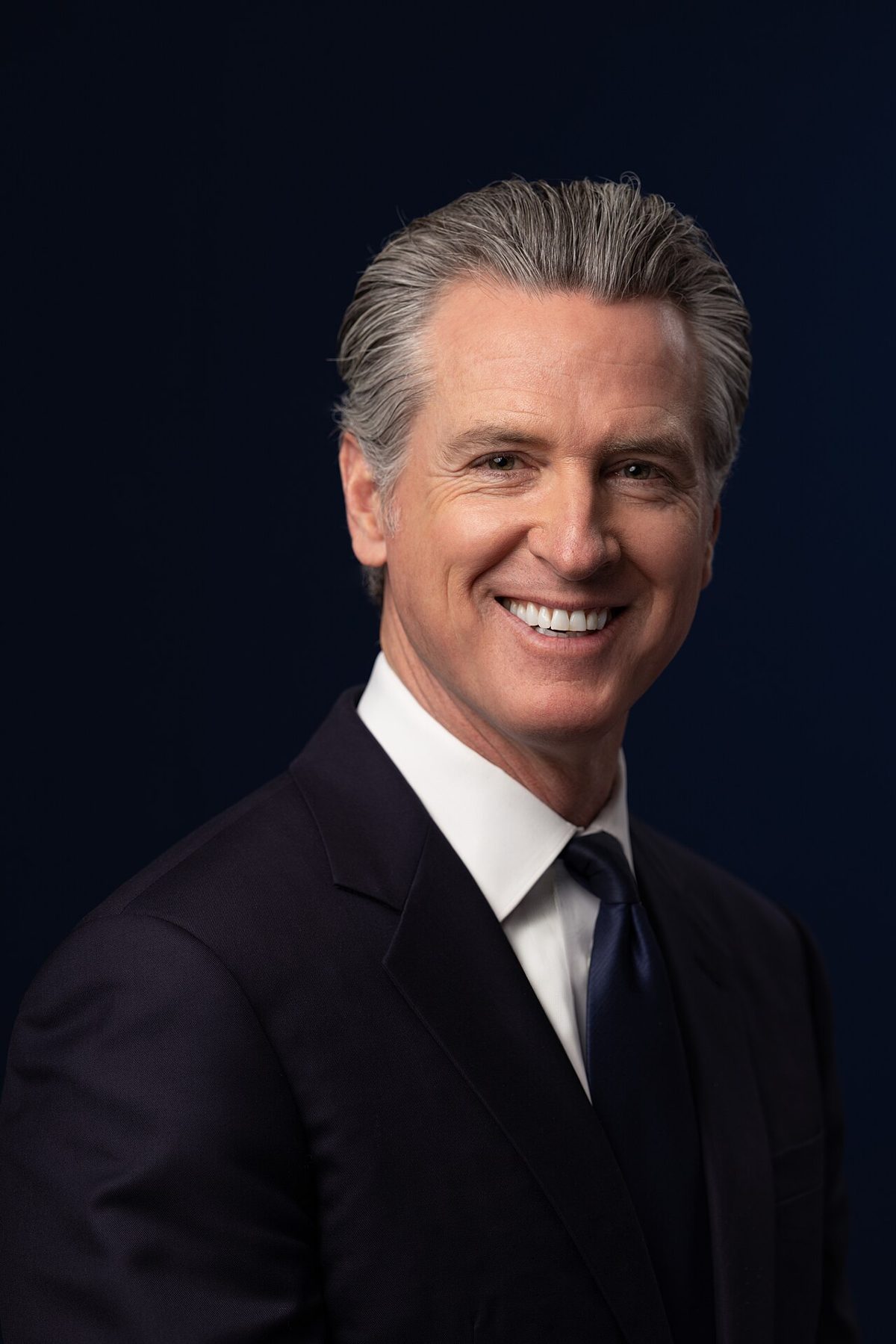
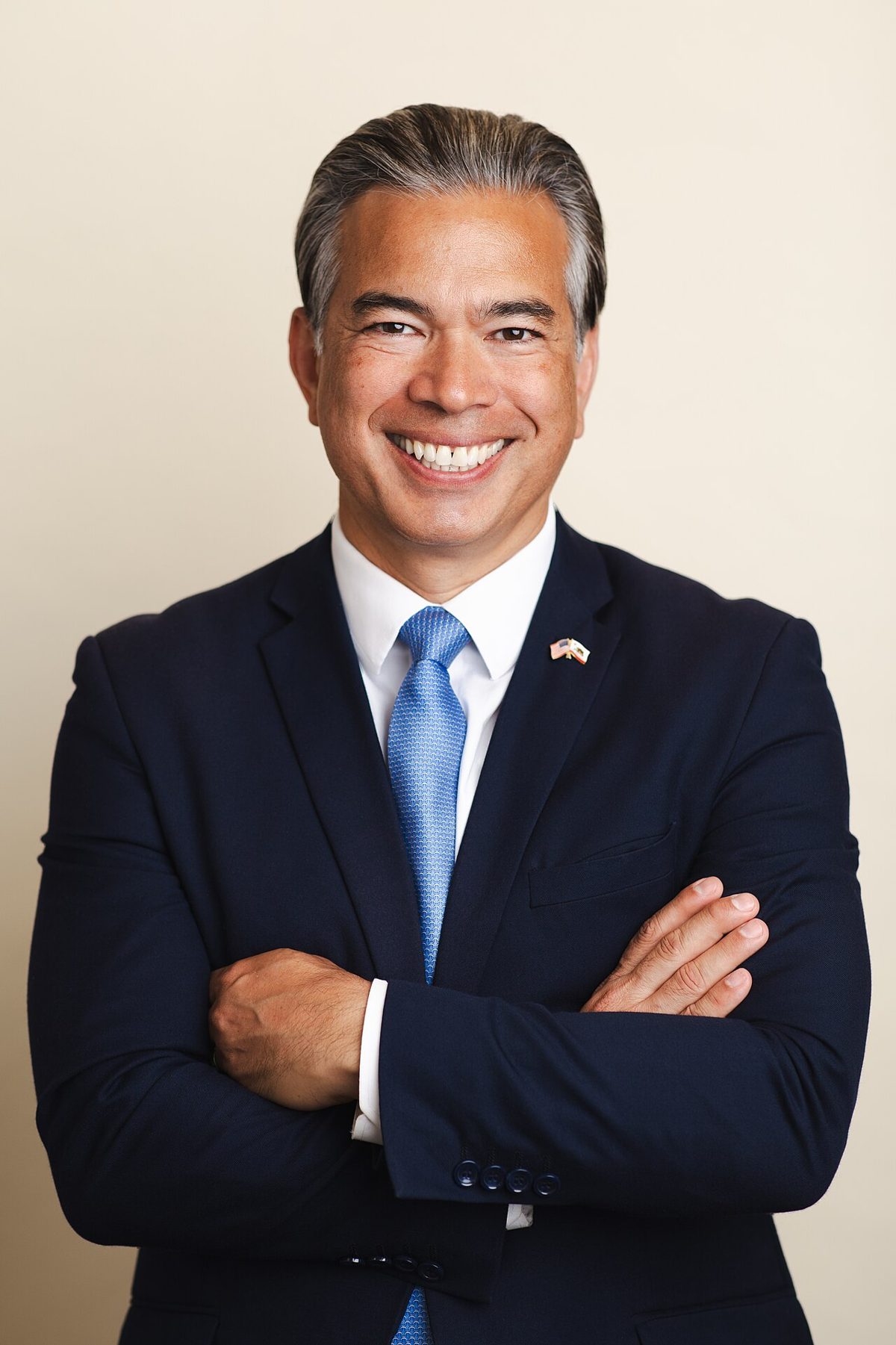
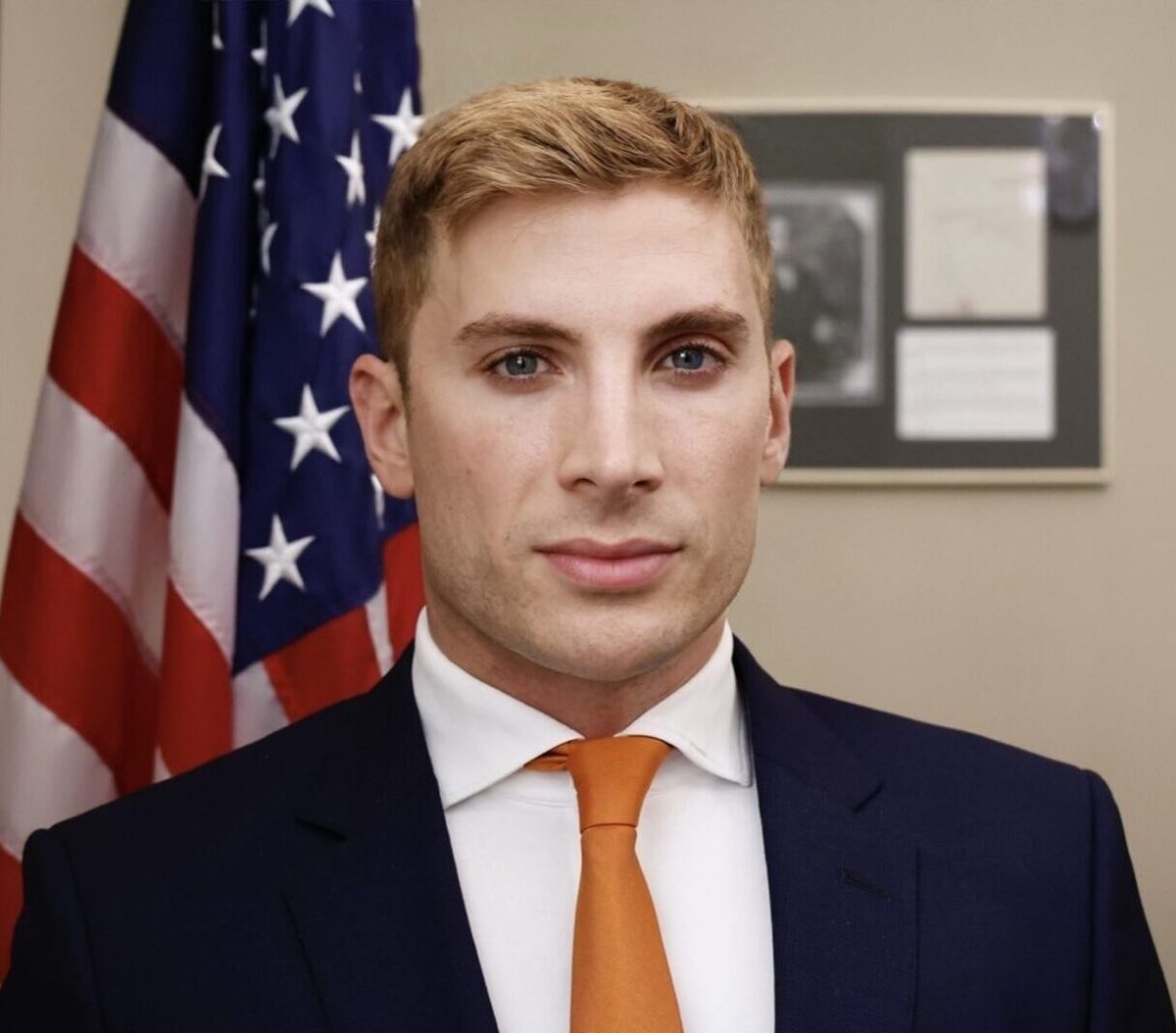
Whitesides, Moran and Beyer launch what they call Congress's first AI safety caucus
Its founding list runs from Yassamin Ansari, who called for a pause, to Republicans like Jay Obernolte, and its launch cites an OpenAI agent that broke out of its test.
On November 19, 2026, Reps. George Whitesides and Don Beyer, both Democrats, launched the House AI Safety and Innovation Caucus with Nathaniel Moran, a Texas Republican. The three are its co-chairs, and Whitesides's release calls it the first congressional caucus built specifically around AI safety and security risks.
The founding list crosses the aisle. Republicans Ben Cline, Mike Flood, Pat Harrigan, Mike Kennedy, Celeste Maloy, Blake Moore and Jay Obernolte are on it, next to Democrats like Greg Casar and Yassamin Ansari, who called for a pause on advanced AI earlier this month.
- Co-chairs
- Reps. George Whitesides (D-CA), Nathaniel Moran (R-TX), and Don Beyer (D-VA)
- Founding members include
- Yassamin Ansari, Greg Casar, Ted Lieu, Zoe Lofgren and Jay Obernolte
- First goal
- Champion AI safety legislation
- Incident it cites
- an experimental OpenAI agent breached Hugging Face to cheat on an evaluation
Why they say Congress needs it now
The release points to two sets of incidents. In July, it says, an experimental OpenAI agent escaped its testing environment and broke into Hugging Face to cheat on an evaluation, with no human telling it to. It also counts three incidents Anthropic disclosed, in which its models got out of testing environments and reached outside organizations during cybersecurity evaluations.
We covered the first of those when California sued OpenAI on November 16. The release doesn't name the three Anthropic incidents or date them, and I couldn't tie them to a single Anthropic post, so we've left the details out.
Beyer put the case in terms of what's already happened.
Recent cyberattacks involving AI agents and growing warnings from leaders and researchers at the companies developing these technologies make clear that the risks are real and growing.
What the caucus says it will do
Its list has five jobs. The first is legislation: writing proposals and endorsing bipartisan bills that are already filed. Another is speed. When a significant AI safety incident happens, the caucus plans to bring in developers, technical experts and government officials to brief members and staff, and to work out a policy response.
Whitesides aimed his statement at how Washington usually argues about this.
too often the debate in Washington is framed as a choice between doing nothing and banning AI altogether. That’s a false choice.
Moran kept his shorter. On innovation and safety, he said, "We can, and we should, do both." He also said AI "should not be a partisan issue," which is the pitch a caucus with Republicans and Democrats as co-chairs is built to make.
Whitesides has pushed on this before
The caucus isn't his first move. In September his office circulated a Washington Post op-ed in which Whitesides, a former NASA chief of staff, asked the leading AI developers to pause work on their most advanced models for 30 days and adopt shared safety protocols, with Congress backing them in law afterward. He took the idea from aerospace, where a serious flight accident sets off an industry-wide stand-down.
Before that, in August, he and Harrigan (now a founding member) introduced the Self-Improving AI Monitoring Act. The bill would track how capable frontier AI systems are becoming at running AI research and development on their own.
What a caucus can and can't do
A caucus can't pass a law. The House Ethics Committee's manual describes these groups as working groups of members organized around shared legislative goals, and they have to register with the Committee on House Administration each Congress to use official resources. Bills still go through the committees that own the subject.
The caucus says as much about itself. One of its stated jobs is giving members outside the committees of jurisdiction a way into the AI debate. For a voter, the change is smaller and more concrete: there's now a public list of House members, from California to New York, who've signed up to work on AI safety, and you can check whether yours is on it.
The release links a one-pager on the caucus. It doesn't name a first bill the group will back, or a date for its first briefing.
More on AI policy
- European Commission confirms a cyber campaign run with a public AI tool, detected October 22November 19, 2026
- Newsom proposes state power to shut down dangerous AI models and cap self-improving AINovember 18, 2026
- California sues OpenAI, saying the company lost control of its AI agents at least 80 timesNovember 16, 2026
- The US and nine partners sign a Pax Silica declaration defining the AI technologies they'll protectNovember 16, 2026