Public First and two allied PACs say AI-guardrail candidates they backed won in both parties
Anthropic gave the group $40 million, but says none of it could go to electing anyone.
On November 4, 2026, Public First Action and two political action committees that work alongside it put out the list of candidates they'd backed who won in the midterms. The groups want guardrails on AI, and the list crosses party lines, running from Scott Wiener in San Francisco to Kevin Hern, who won Oklahoma's Senate seat.
The statement names 11 winners. It doesn't say how many of the candidates the groups supported lost, or how much they spent in all.
This is a crushing blow to the AI industry’s anti-regulatory efforts to buy a Congress that would look the other way.
Who they backed, and when
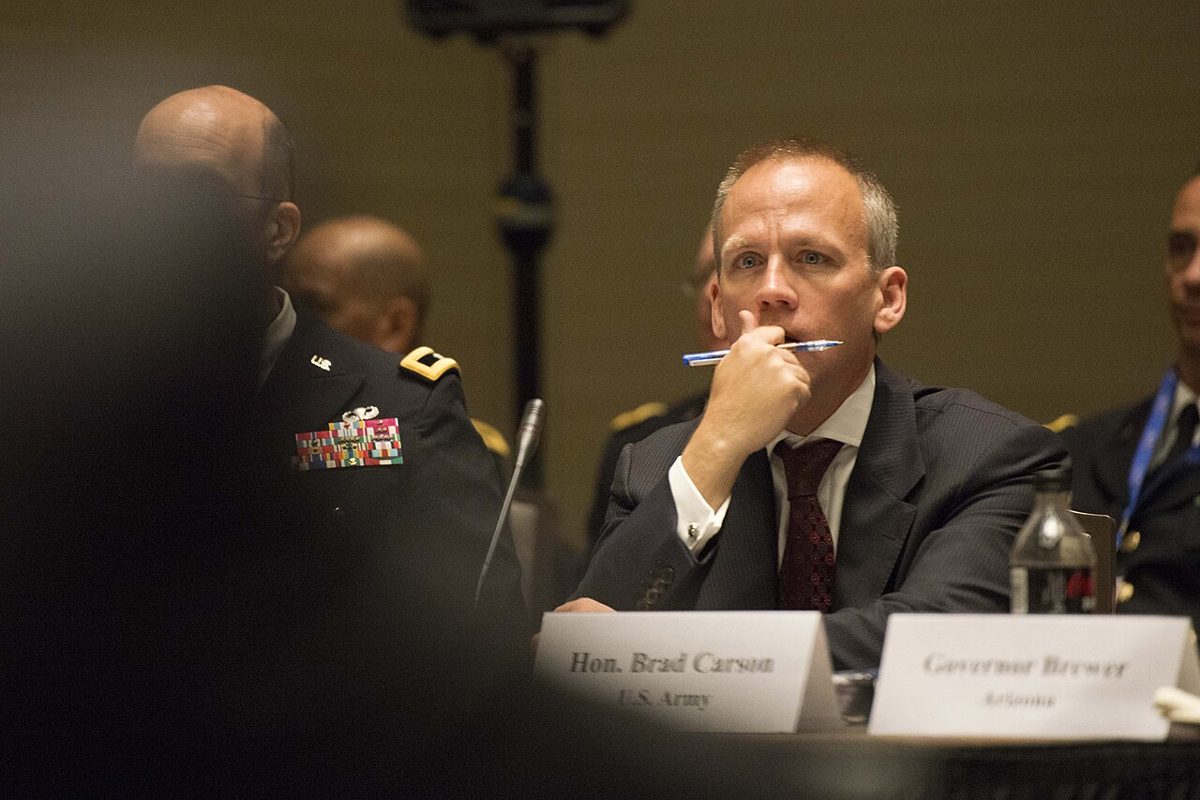
That's Brad Carson, a co-founder of Public First Action. The statement splits the winners among the three groups. Public First Action itself backed two: Wiener, through a contribution to Abundant Future PAC, and Ed Markey, who won a third Senate term from Massachusetts after Public First Action gave $500,000 to Commonwealth Together PAC in his primary.
Jobs and Democracy PAC claims five: Valerie Foushee in North Carolina, Colin Allred in Texas, Manny Rutinel in Colorado, Brian Poindexter in Ohio and Bob Brooks in Pennsylvania. Defending Our Values PAC claims four: John Cowan in Georgia, Celeste Maloy in Utah, Hern in Oklahoma and Pete Ricketts in Nebraska.
Read closely, most of that help came early. By my count, eight of the 11 got the groups' support only in a primary. Wiener, Rutinel and Cowan are the three the statement says were backed in the general election too. Rutinel unseated a sitting Republican, Gabe Evans. Wiener was still only expected to win when the statement went out; he declared victory later.
- Groups
- Public First Action, Jobs and Democracy PAC, Defending Our Values PAC
- Active in
- at least 78 districts and states
- For Markey
- $500,000 in the primary
- Anthropic's total support
- $40 million
Where Anthropic's money fits
Anthropic has given Public First Action $40 million: $20 million in February 2026 and another $20 million since. Anthropic's own post puts a limit on that money.
Both of our donations were made exclusively to support Public First Action’s public education and policy mission, and cannot be used to influence the election of any candidate for federal, state, or local office.
So the election spending in the November 4 list came from somewhere else. The statement doesn't say where, and it doesn't give a total. Press reports on November 8 put a figure on it; I've left it out because I couldn't find it in anything the groups published themselves.
What it means for state AI laws
Three of the winners have records on who gets to regulate AI, and that's where the result touches people outside Washington. Wiener wrote SB 53, which the statement calls the nation's first broad frontier AI regulation law. Rutinel sponsored the Colorado Artificial Intelligence Act. Markey, in the Senate, led a bipartisan effort against a ten-year moratorium on state AI laws.
For anyone living in California or Colorado, that fight decides whose AI rules apply to them: the state's, or only whatever Congress writes. Anthropic says it has supported newly passed state laws that require more transparency from AI developers. The question for the new Congress is whether those state rules stand, and the 11 winners now include two of the people who wrote them.
Carson also says a supermajority of Americans want stronger guardrails, citing "poll after poll" without naming one. The statement's last line says the groups will keep up the fight. It doesn't name a bill.
More on AI policy
- Three House chairmen ask Nvidia's Jensen Huang for a closed-door briefing on Megaspeed's Alice HuangNovember 8, 2026
- Microsoft AI's Mustafa Suleyman calls Delaware's plan for AI-run companies deeply concerningNovember 7, 2026
- Scott Wiener, who wrote California's AI safety law, declares victory for Pelosi's House seatNovember 6, 2026
- Congresswoman Yassamin Ansari calls for a day-one pause on advanced AI, and Musk quotes herNovember 5, 2026