Three House chairmen ask Nvidia's Jensen Huang for a closed-door briefing on Megaspeed's Alice Huang
The committees want to hear about his dealings with a Megaspeed executive, and about how Nvidia keeps out foreign spies.
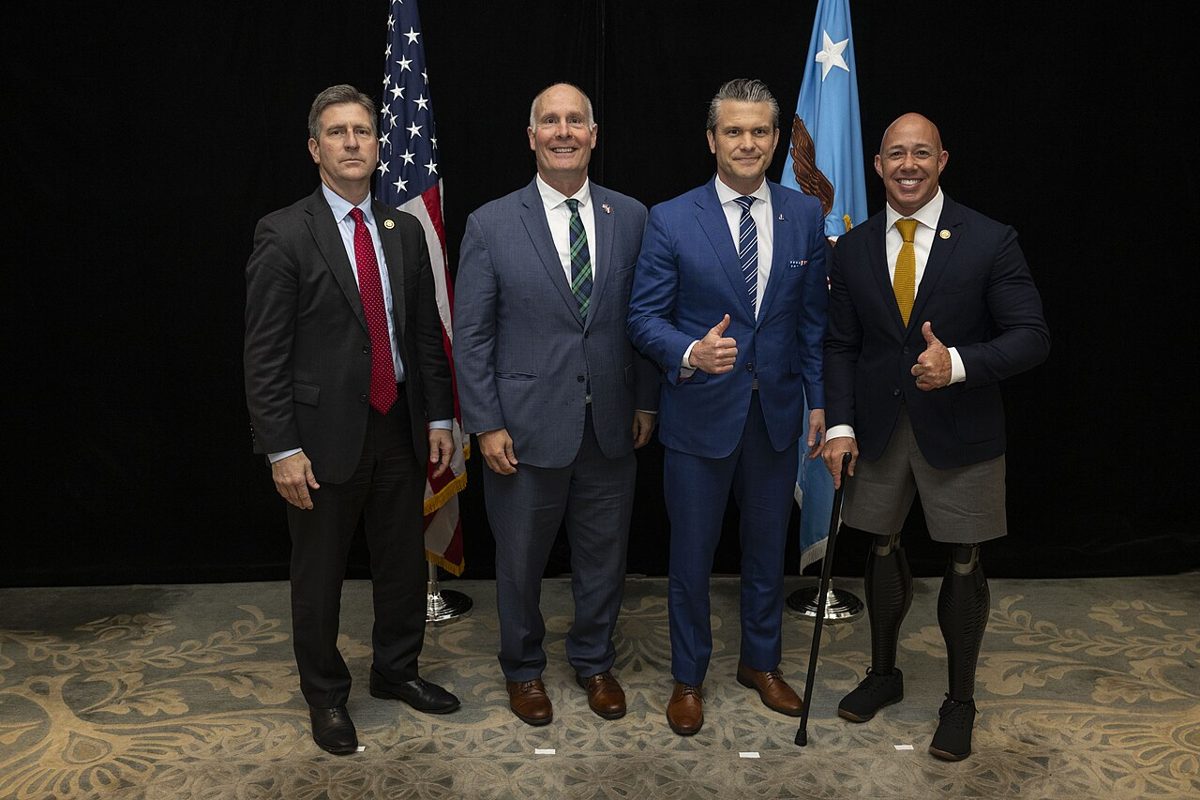
On November 5, 2026, the chairmen of three House committees wrote to Nvidia's CEO, Jensen Huang, and asked him to brief them behind closed doors. Brian Mast chairs the Foreign Affairs Committee, John Moolenaar chairs the Select Committee on China, and Rick Crawford chairs the Permanent Select Committee on Intelligence.
They want to hear about his dealings with Alice Huang, a Megaspeed executive whom both committees' releases call a publicly reported Chinese intelligence asset. They've proposed November 18. Huang has until November 11 to accept or offer another date.
- Asked by
- Chairmen Mast, Moolenaar, and Crawford
- Asked of
- NVIDIA CEO Jensen Huang
- Format
- a joint, closed-door briefing
- Proposed date
- November 18, 2026
- Reply due by
- November 11, 2026
What the chairmen are asking for
The request has two parts. One is Huang's own interactions with Alice Huang. The other is how Nvidia protects itself, which the releases describe as the company's security protocols against foreign adversary espionage.
The two releases word the deadline differently. Foreign Affairs says the chairmen "asked that he accept the date or provide an alternative session date" by November 11. The Select Committee's version is firmer: Huang "must accept the invitation or provide alternative availability" by then. Neither one mentions a subpoena.
The chairmen tie the request to what their committees already investigate.
The issue of PRC infiltration and access to cutting-edge U.S. technology is core to the investigative work of our three committees this Congress.
What the releases leave out
They're short, about 200 words each. They lean on "recent reports" and don't name them. They don't say what the chairmen think Alice Huang learned, or whether Nvidia lost anything. Megaspeed shows up only as her employer, with nothing on what the company does.
The full letter is posted on the Foreign Affairs site as a PDF. When I saved it, the file came through as unreadable data with no text, so this brief sticks to what the two releases say. Nothing in either of them carries a reply from Nvidia or from Huang.
Why chip sales to China are the backdrop
Who can buy Nvidia's best chips is a question of US law, and it moved this year. On January 13, 2026, the Commerce Department's Bureau of Industry and Security said it would review export licenses for the Nvidia H200, AMD's MI325X and similar chips to China case by case, provided certain security requirements are met.
To qualify, an applicant has to show the sale won't reduce the chipmaking capacity US customers can get, and that the chips passed independent testing in the United States. One condition sits with the buyer instead: the Chinese purchaser needs export compliance procedures, customer screening included.
Permitting the sale of the H200 to China under controlled conditions will strengthen the American technology ecosystem.
That was Under Secretary Jeffrey Kessler in January. The chairmen are asking about something else: what a foreign intelligence service could learn from the people at the top of an American chip company. Their releases don't mention the January rule or any chip sale, so any link between the two is mine to draw, and I'd rather wait for the briefing.
For anyone outside Washington, the stakes are in that rule. It decides which Chinese buyers can get chips the US government only lets out under conditions, and part of it depends on those buyers screening their own customers. Nvidia's H200 is the first chip the rule names.
What happens next
November 11 is Huang's deadline to answer. If he takes the date the chairmen offered, the joint briefing would be on November 18, 2026, and because it's closed-door, any account of it would have to come from the committees or from Nvidia afterward.
More on AI policy
- Public First and two allied PACs say AI-guardrail candidates they backed won in both partiesNovember 8, 2026
- Microsoft AI's Mustafa Suleyman calls Delaware's plan for AI-run companies deeply concerningNovember 7, 2026
- Scott Wiener, who wrote California's AI safety law, declares victory for Pelosi's House seatNovember 6, 2026
- Congresswoman Yassamin Ansari calls for a day-one pause on advanced AI, and Musk quotes herNovember 5, 2026