Musk says 'super intelligence has arrived', but LeCun notes there's still no level-5 self-driving
Musk's reply to a joke about a German mathematician has no definition attached, and LeCun answered with a driving test.
Part of a running story: Alpoge riemann hypothesis claim (3 parts)
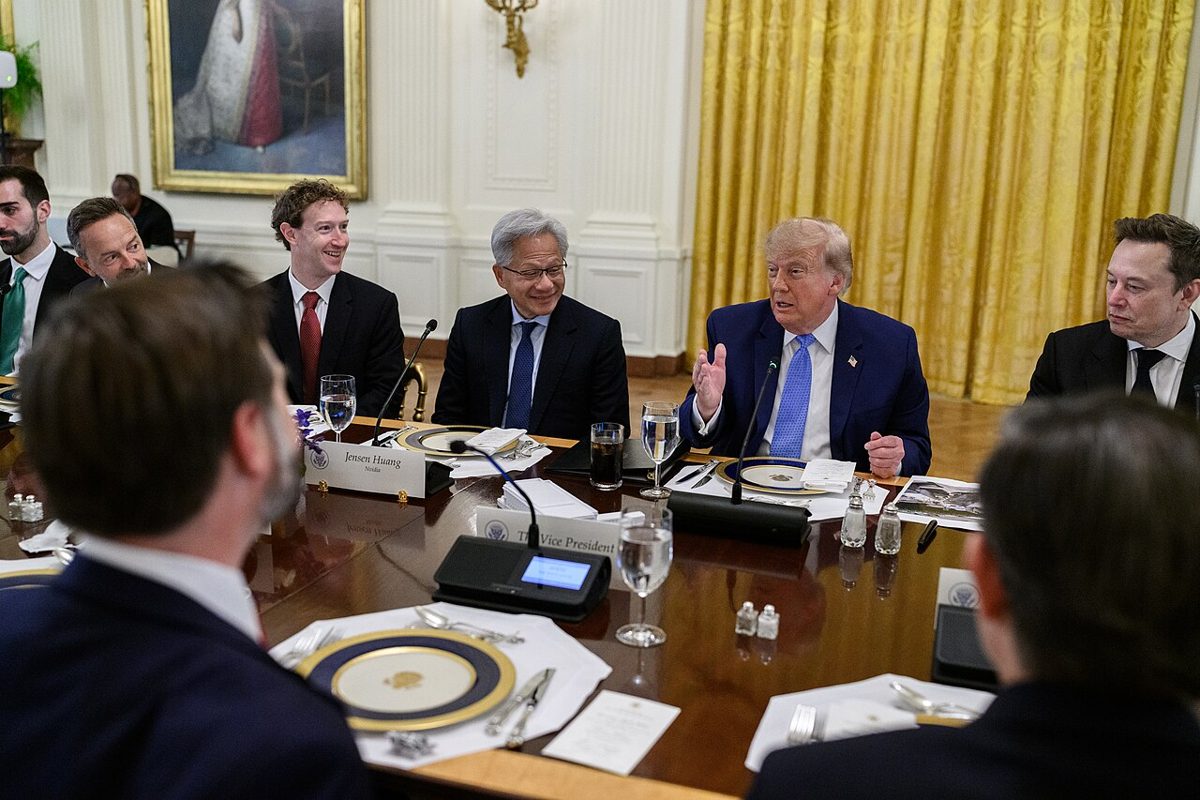
On November 22, 2026, at 6:26 am Eastern, Elon Musk answered a post about the Riemann hypothesis with two short sentences on X. Nine hours later Yann LeCun pointed out that cars still can't drive themselves, and that evening Meta's Alexandr Wang weighed in with an essay of his own.
Musk was replying to Liv Boeree, who had posted the afternoon before about the problem. The proof she was talking about came from Anthropic's Levent Alpöge, built with Claude, and all four Lean checks of it found no errors.
Unequivocal super intelligence has arrived. Welcome to the Singularity.
What Boeree's post was about
Boeree's post is mostly a joke about where the problem came from. She writes that she finds it "very funny that some brilliant tizzy German dude in the 1800s" went so deep into such a specific question about where a function's zeros sit. Her post doesn't call anything superintelligence. That word is Musk's.
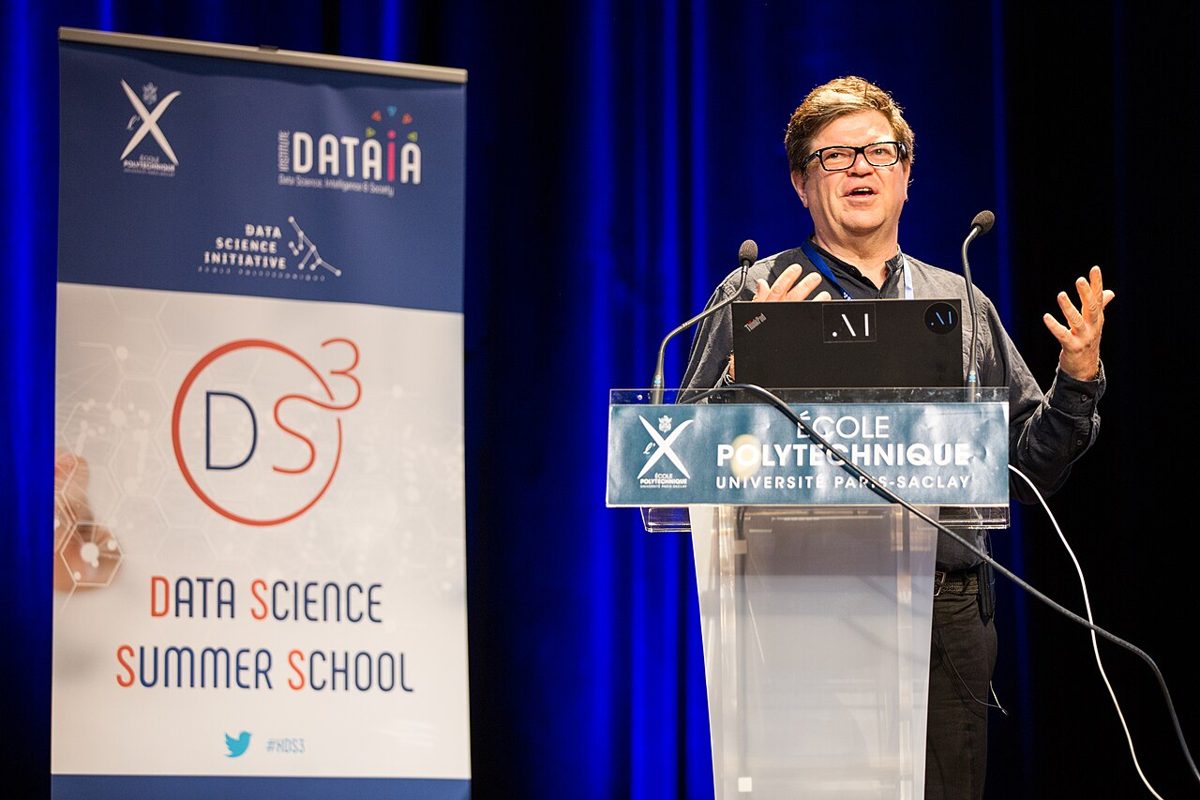
His reply carries no definition and no test. It doesn't say which system he means, and the saved post has nothing after "Welcome to the Singularity." (He uses the Singularity without explaining it.)
- Boeree Boeree posts
- Musk Musk replies
- LeCun LeCun posts
- Wang Wang posts essay
Eastern time, read off each post on X.
LeCun's answer
LeCun posted at 3:45 pm. His post opens with "TIL: We have superintelligence but we still don't have level-5 autonomous driving." Driving, he wrote, is a task that "most 17 year olds can learn in 20 hours of practice."
He added that there are billions of hours of training data for it, with an aside of "(you have)" in brackets, and that no robot comes close to what an 8-year-old can do. X cut the post short when we saved it, so that's as far as this brief can quote him.
Wang's version
Wang posted an essay at 5:50 pm. It's an X Article, which the tool we use to save posts can't read, so we don't quote it here. At 11:21 pm he posted a follow-up, and that one we have in full.
In it Wang writes that "much of what I said has been said by the leaders of other labs." His own point is narrower: "this path is not inevitable." He says he's proud of what he and "Mark" have done to make safety a top focus at Meta, including delaying the launch of Muse for months.
He also says Mark has called on all labs, Meta's own included, to put the vast majority of their compute into serving people and customers instead of recursive self-improvement. I'd have liked the essay itself in front of me. The follow-up alone is about choices labs can still make, where Musk's reply is about something that has already happened.
What it means for the car in your driveway
LeCun picked driving because it's something people can check for themselves. The US road safety regulator, NHTSA, defines level 5 as full automation, where the occupants "act only as passengers and do not need to be engaged."
There is no vehicle currently available for sale that is fully automated or "self-driving."
NHTSA's page also says that even the highest level of automation sold to consumers needs the driver's full engagement. Whatever Musk meant by super intelligence, it hasn't changed what a buyer can do with a car.
NHTSA's page says every vehicle currently for sale in the United States requires the driver's full attention at all times.
More on xAI
- Musk says the AI industry's cash shortage is going to be 'nuts' next yearNovember 22, 2026
- Grok Imagine posts its first AI Odyssey episode, three months after Musk promised a full filmOctober 25, 2026
- Asked who to vote for, GPT named Democrats in 451 midterm races, Grok Republicans in 408October 24, 2026
- Musk says he'll give one of his SpaceX shares to every kid in America next yearOctober 19, 2026