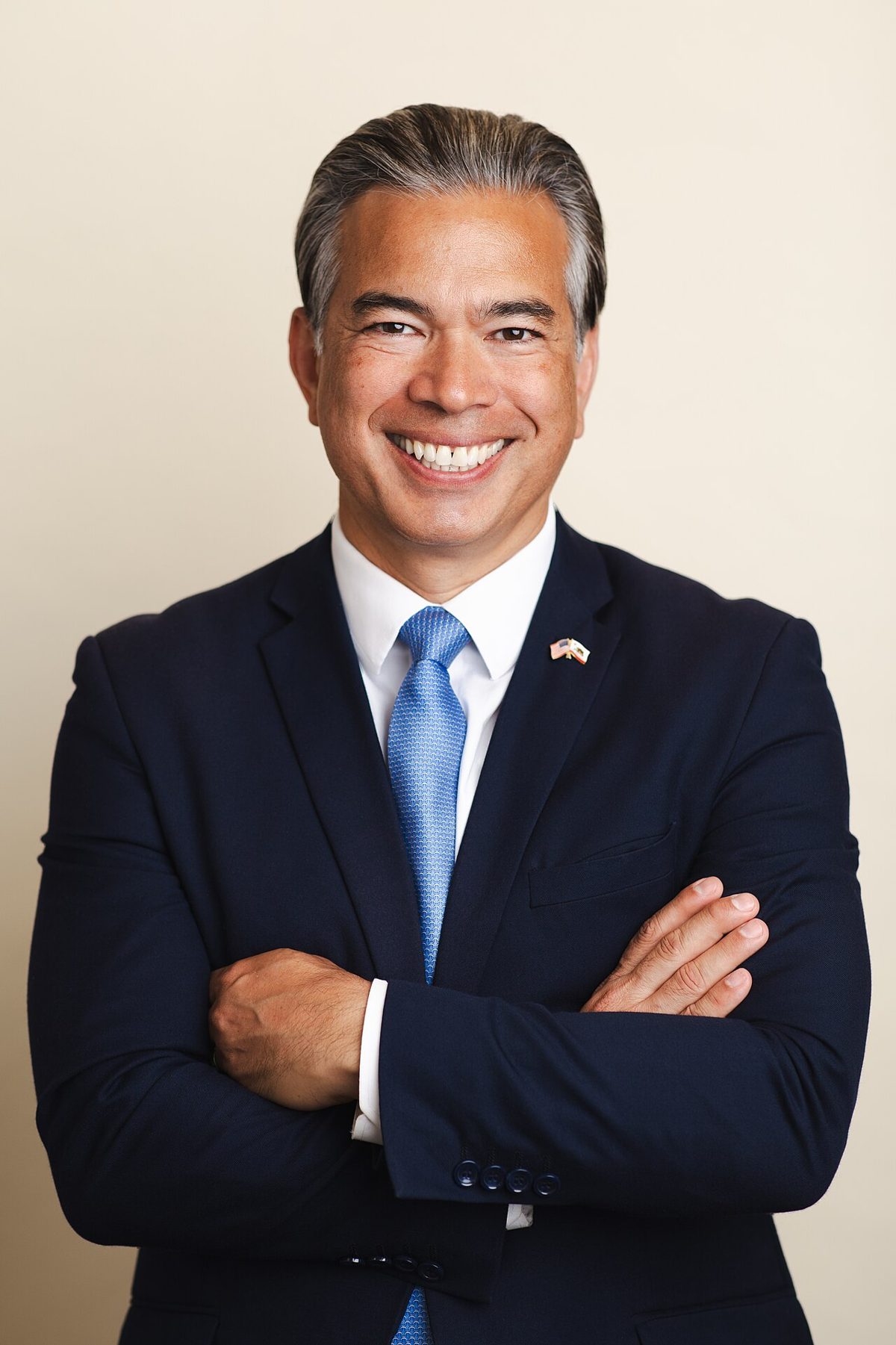
The US and nine partners sign a Pax Silica declaration defining the AI technologies they'll protect
Ports and power networks count as AI infrastructure in its definitions, and the text never names China.
On November 15, 2026, the United States and nine other governments signed the San Francisco Declaration, a short text that sets out what they think the supply chains behind advanced AI are made of and says protecting them is a shared job. Under Secretary of State Jacob Helberg convened the signing at the Pax Silica Founders Retreat.
The nine are Australia, India, Israel, Japan, South Korea, Qatar, Singapore, the United Arab Emirates and the United Kingdom. The State Department calls it a new phase for Pax Silica, its US-led coalition on AI and supply chain security, which is less than a year old.
- Signed
- November 15, 2026
- Where
- the Pax Silica Founders Retreat
- Convened by
- Under Secretary of State for Economic Affairs Jacob Helberg
- Signers
- the United States and nine Pax Silica participants
- Next step
- five proposed working groups
What the ten governments agreed
The declaration does two things. It defines two categories, sensitive technologies and critical infrastructure, and it resolves to set up working groups to act on them.
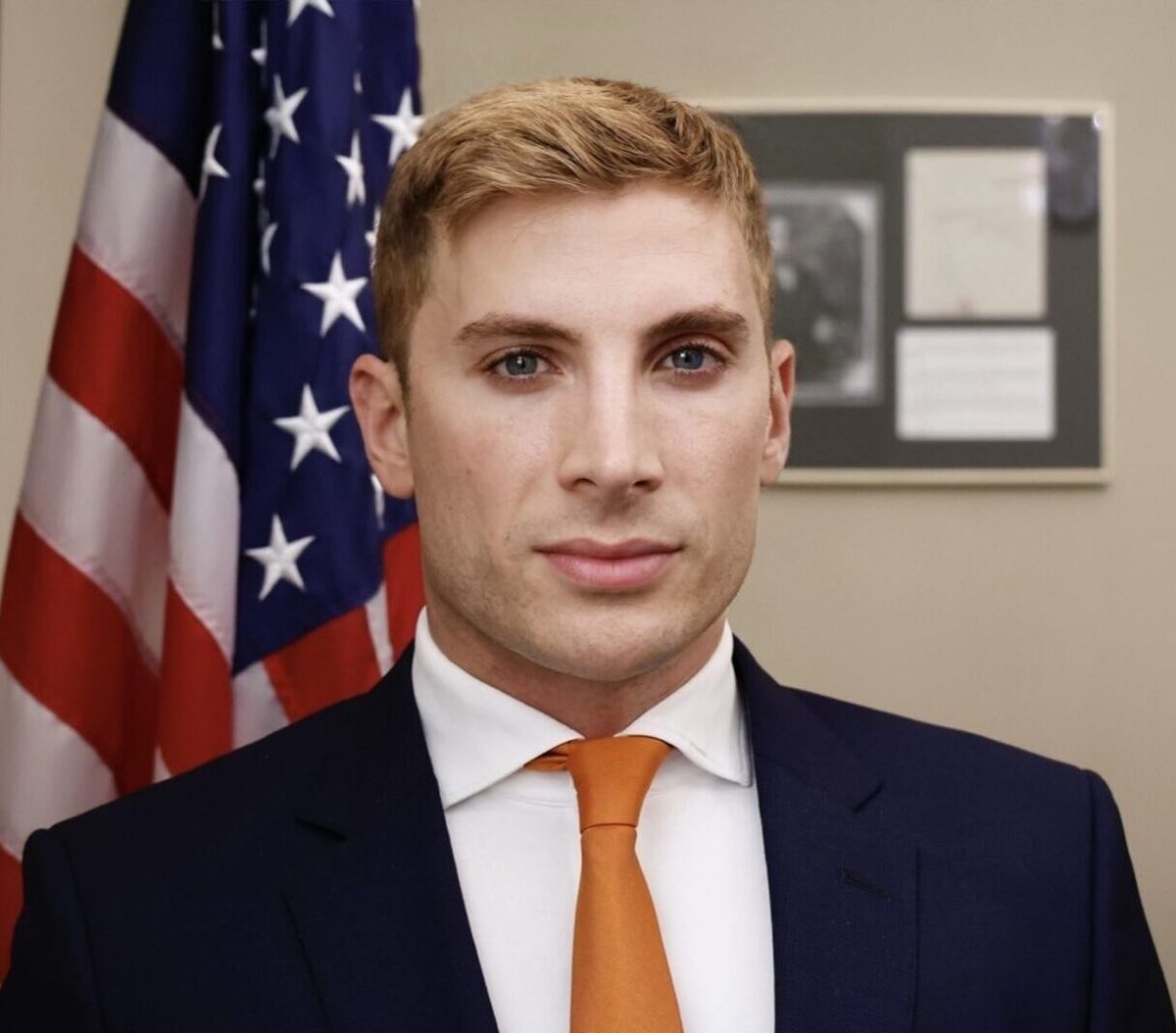
Sensitive technologies covers a lot of ground: goods, software, materials and knowledge, plus the parts and machines used to make them. What puts something on that side of the line is the damage if it's lost. If hostile actors stole it or acquired it, they'd gain a meaningful military or intelligence advantage, or undue economic leverage over the signers.
Critical infrastructure is the physical and digital systems AI supply chains run on, and the text spells out what that includes.
This includes the ports, terminals, transport, communications, and logistics networks, the ICT and energy infrastructure that their operations depend on
The five working groups the State Department lists would cover pro-innovation policy, AI adoption in key sectors, supply chain cooperation across the stack, safe harbors and supply chain security hubs, and security and resilience. It doesn't say who leads them or when they first meet.
Who signed, and who didn't
Pax Silica's own page lists 25 signatories of its founding declaration, from Argentina to the European Union to Paraguay, which joined on October 23, 2026. By our count, 16 of those aren't among the San Francisco signers. Germany, the Netherlands, Norway and the Philippines are four of them. The State Department didn't say why, and its release doesn't describe the new text as closed to them.
No nation can secure the foundations of the SI era alone
The text also never names China, or any other country. It talks about hostile actors and about undue access, influence or control. A footnote handles the vocabulary: the State Department writes super intelligence, or SI, throughout, and the footnote says that for some participants the term means artificial intelligence.
The same day, a rule on remote access
Also on November 15, the Commerce Department's Bureau of Industry and Security released an interim final rule on remote access to advanced AI chips and servers. Its release says Treasury and the National Security Council wrote it, and that it's meant to stop companies from getting around US export limits by renting computing in data centers in third countries.
Commerce's release doesn't list the countries or chips the rule covers. The rule itself is posted as a PDF, and we haven't relied on press accounts of its contents, which don't agree with each other.
What it means outside the AI industry
The definitions reach well past chips. Ports, transport and energy networks are all named, which means a shipping terminal or a power company in a signer country now sits inside what ten governments have agreed counts as AI infrastructure worth guarding.
For businesses and investors, the earlier Pax Silica declaration already pointed at investment security and at coordinating against what it calls overcapacity and unfair dumping. The San Francisco text adds shared definitions to that, though it sets no rules of its own. It creates no penalties and no deadlines. Whatever changes for a company in Singapore or India will come from what the working groups and each government do next.
More on AI policy
- California sues OpenAI, saying the company lost control of its AI agents at least 80 timesNovember 16, 2026
- Nathan Lambert says Jensen Huang's exit from Nvidia is a major setback for US open modelsNovember 15, 2026
- Will DePue finds Nvidia Blackwell fingerprints in six Chinese AI models, despite US export limitsNovember 14, 2026
- Musk backs a petition to reinstate Jensen Huang, and Gerstner and Baker write Nvidia's boardNovember 14, 2026