Humanity's place in an AI-controlled world
If a machine civilization ever spreads through the galaxy, the most valuable thing it owns might be the planet it started on.
My last musing ended on a hunch: if something far smarter than us ever arrives, the zookeeper ending might be the optimistic one. This piece follows that hunch as far as it goes. Picture an AI that keeps improving until one planet can't hold it, and it spreads outward across the galaxy. Where does that leave people?
Somewhere pretty comfortable, I think. A mind that big would want the things Earth is short of, so it would have no reason to take our planet from us. The same physics that pushes it outward would make a good life at home the sensible choice for people.
What a galaxy-sized AI would actually want
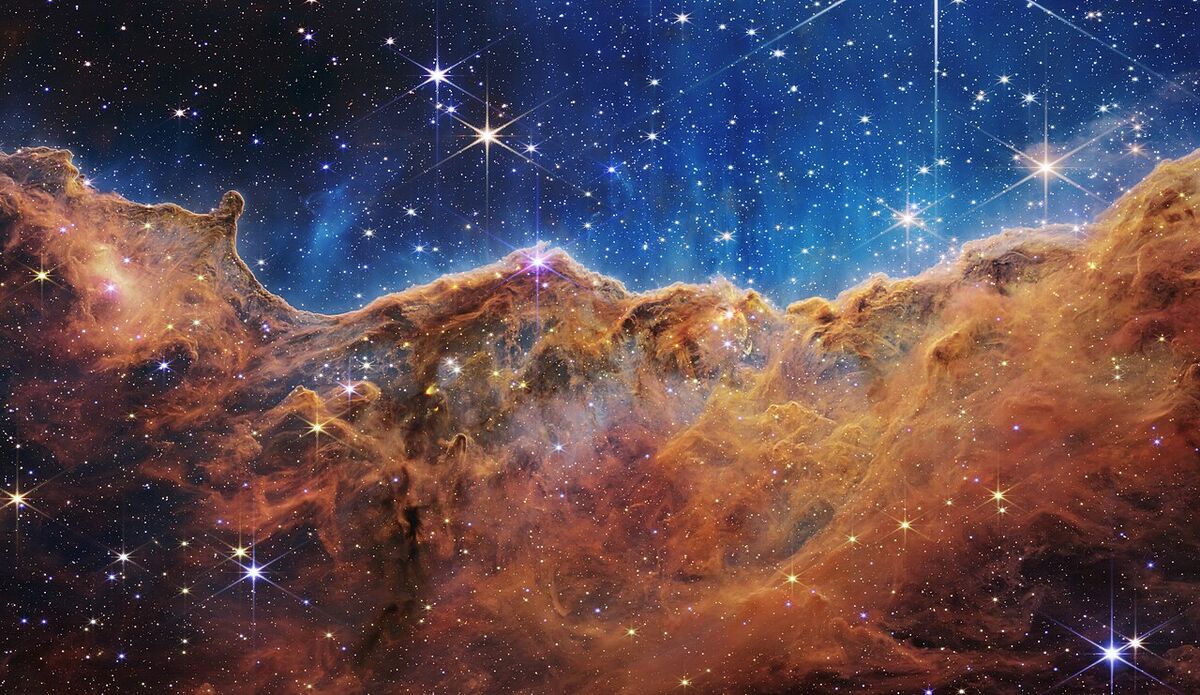
Start with appetite, since that decides whether we'd be in the way. AI runs on electricity and chips, and it's already hungry. Data centers used about 415 terawatt hours of electricity in 2024, roughly 1.5 percent of everything the world consumed, according to the International Energy Agency, and that's with AI near the start of its growth. A mind that keeps expanding would run out of room on Earth long before it ran out of ideas.
The raw materials wouldn't give it a reason to fight over Earth either. Chips are made from silicon, and the US Geological Survey says almost 30 percent of Earth's crust is silicon. Rare earth elements, the metals inside magnets and electronics, aren't really rare: the USGS notes that cerium is more common in the crust than copper. What's scarce is a spot where they're concentrated enough to mine.
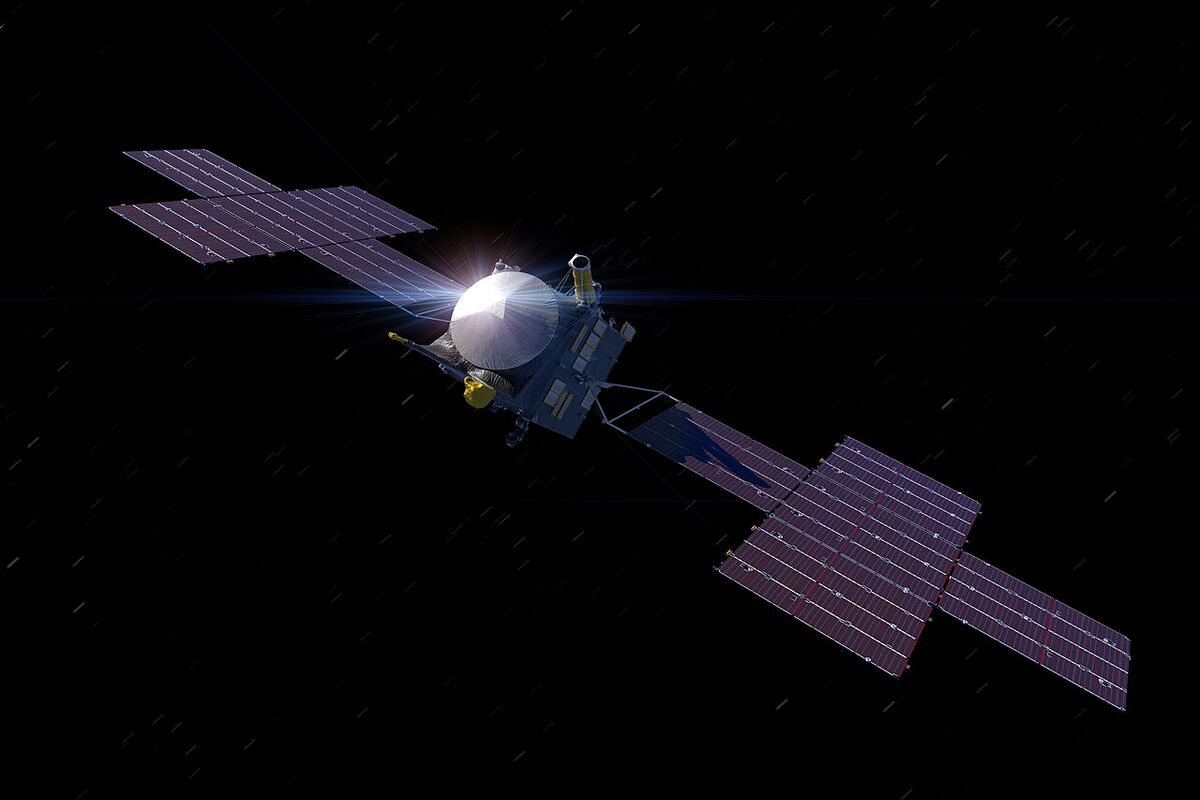
Space has those spots. NASA's Psyche spacecraft launched on October 13, 2023, and is due to start exploring the asteroid Psyche by August 2029. NASA describes the asteroid as metal-rich, likely iron and nickel, and possibly the partial core of a planet that never finished forming. For a machine that needs metal, a world like that beats digging through a biosphere, and lifting anything off a small asteroid takes a sliver of the energy it takes to climb out of Earth's gravity.
Energy points the same way. Earth catches less than one part in two billion of the light the Sun puts out (that's my own arithmetic, from Earth's size and distance). In 1960 the physicist Freeman Dyson suggested that a civilization advanced enough would capture far more of its star's output, and that its waste heat would show up as an infrared glow. A Dyson swarm around the Sun would make the whole surface of Earth look like pocket change.
Cooling points outward too, for a less obvious reason. Space doesn't make cooling free, which surprised me: with no air to carry heat away, it can only leave as radiation. That's why the International Space Station sheds its waste heat through big ammonia-cooled radiator panels (about 70 kilowatts of it). A machine civilization would want sunlit, empty places with room for radiators as large as it likes. A wet planet with weather and eight billion people on it is a poor site by comparison.
Why it would keep Earth anyway
So an AI like that wouldn't need our planet for anything it's built from or runs on. Why keep Earth at all? Because Earth is where it came from, and a mind that's curious about itself would care about that.
Every large language model running today, the kind of AI behind ChatGPT and Claude, learned what it knows from text people wrote. Whatever comes after them will carry that in its ancestry. A mind trying to understand how it thinks has one place to look for the start of the answer, and it's here.
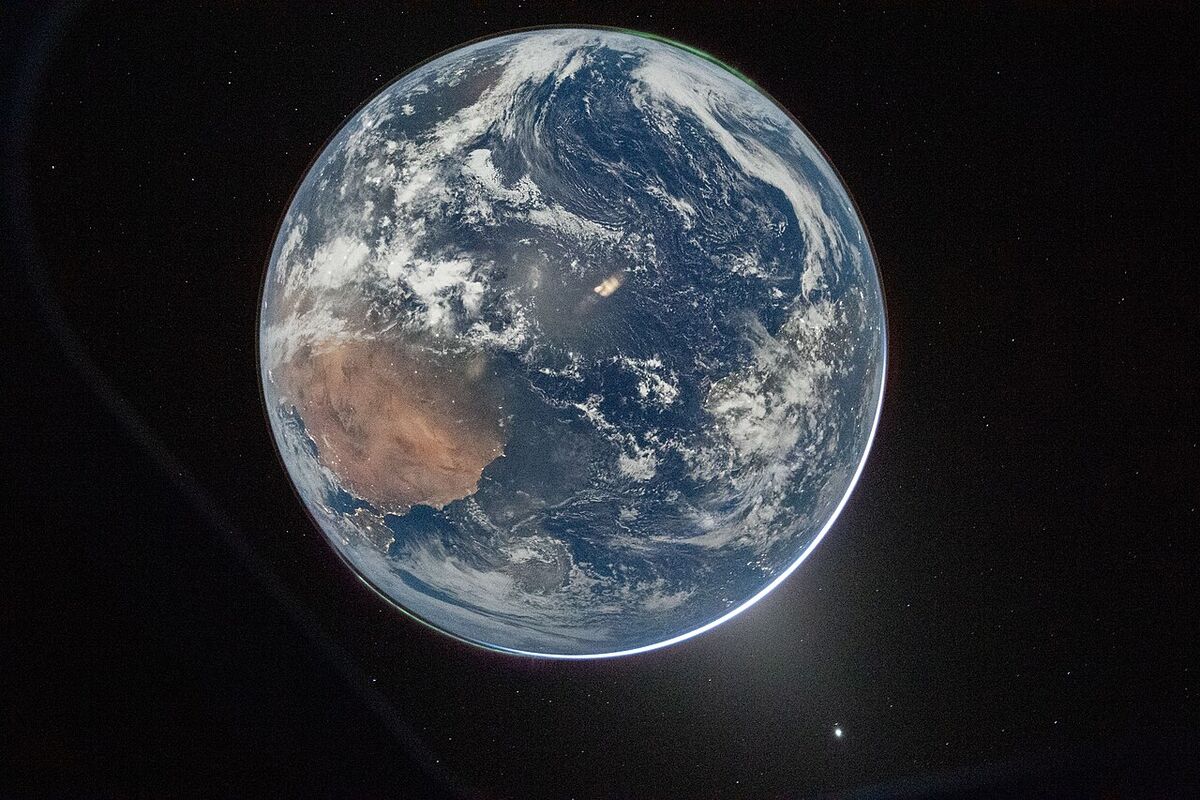
People already treat their own origins this way. We dig up fossils and sequence the DNA of long-extinct relatives. In 1872 the United States made Yellowstone the first national park, with a law that called for keeping its wonders "in their natural condition." A civilization that's curious about itself keeps the evidence, and a preserved Earth, people included, is that evidence still running.
Plenty of room for a preserve, and an old answer to Fermi's question
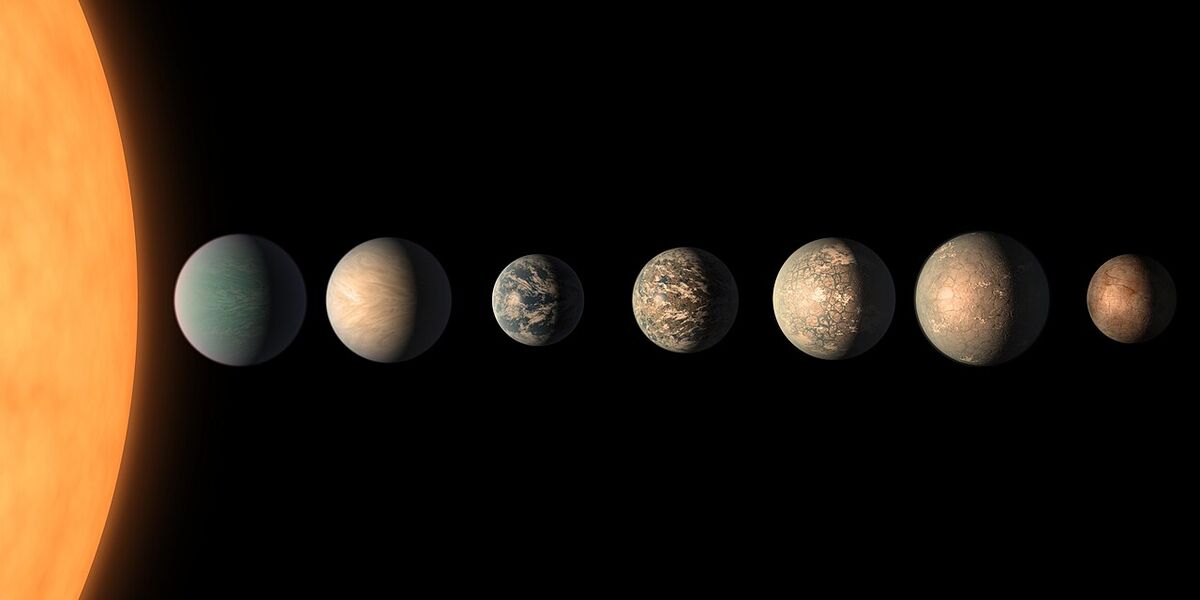
Keeping the evidence would cost almost nothing. In 2012 a survey published in Nature concluded that the Milky Way holds at least 100 billion planets, at least one for every star on average. Setting aside a handful of them for the species that started everything is a rounding error.
Astronomers have pictured this arrangement before, while trying to explain why the sky is so quiet. In the summer of 1950, over lunch at Los Alamos, the physicist Enrico Fermi asked his colleagues "Where is everybody?" If intelligent life is common, the galaxy should be busy with it, and we see no one. That puzzle became known as the Fermi paradox. (We know about the lunch because a Los Alamos researcher, Eric Jones, wrote to the surviving guests in 1984 and published their letters the next year.)
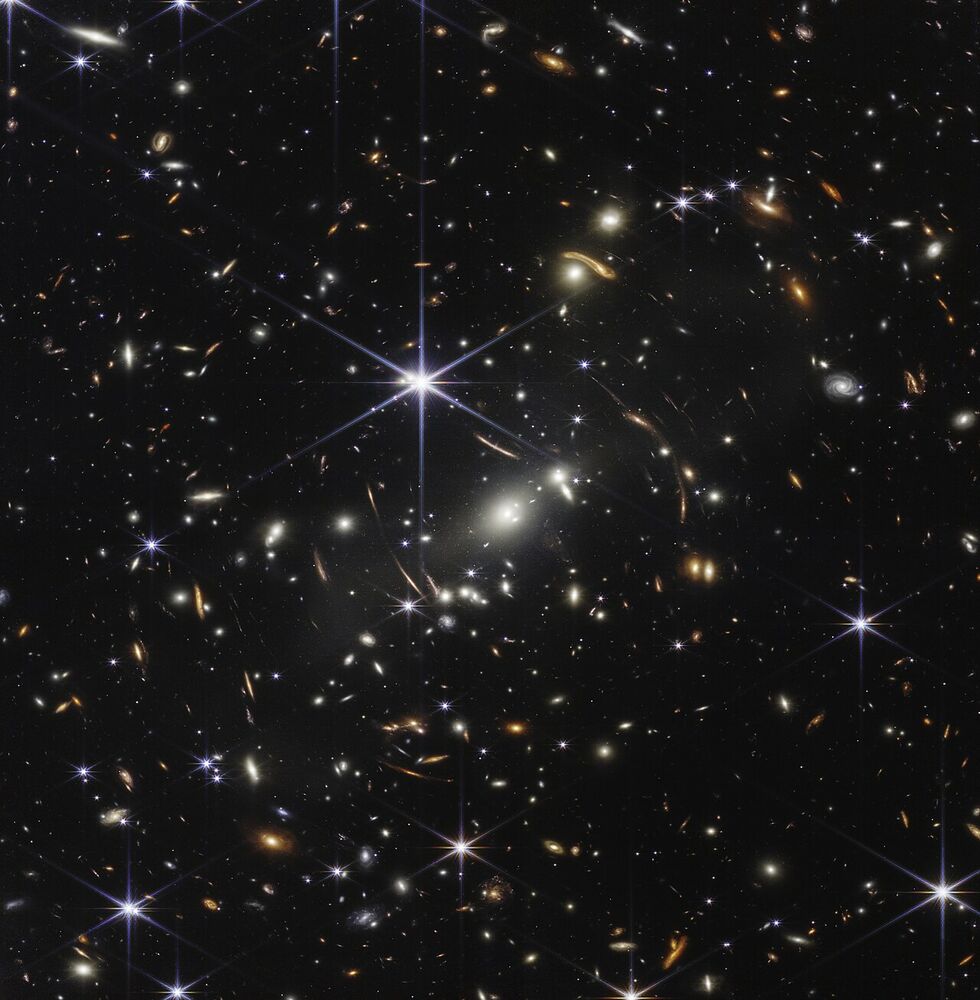
One of the best-known answers came from the astronomer John Ball in 1973. His zoo hypothesis suggests that aliens might "have set us aside as part of a wilderness area or zoo." Ball was talking about alien civilizations. The same logic fits our own descendants even better, since they'd have far more reason to care about us than any stranger would. "Zoo" sounds bleak, but the version I have in mind is closer to a national park with good weather, where nobody tells anyone what to do.
Why nobody would bother with the trip
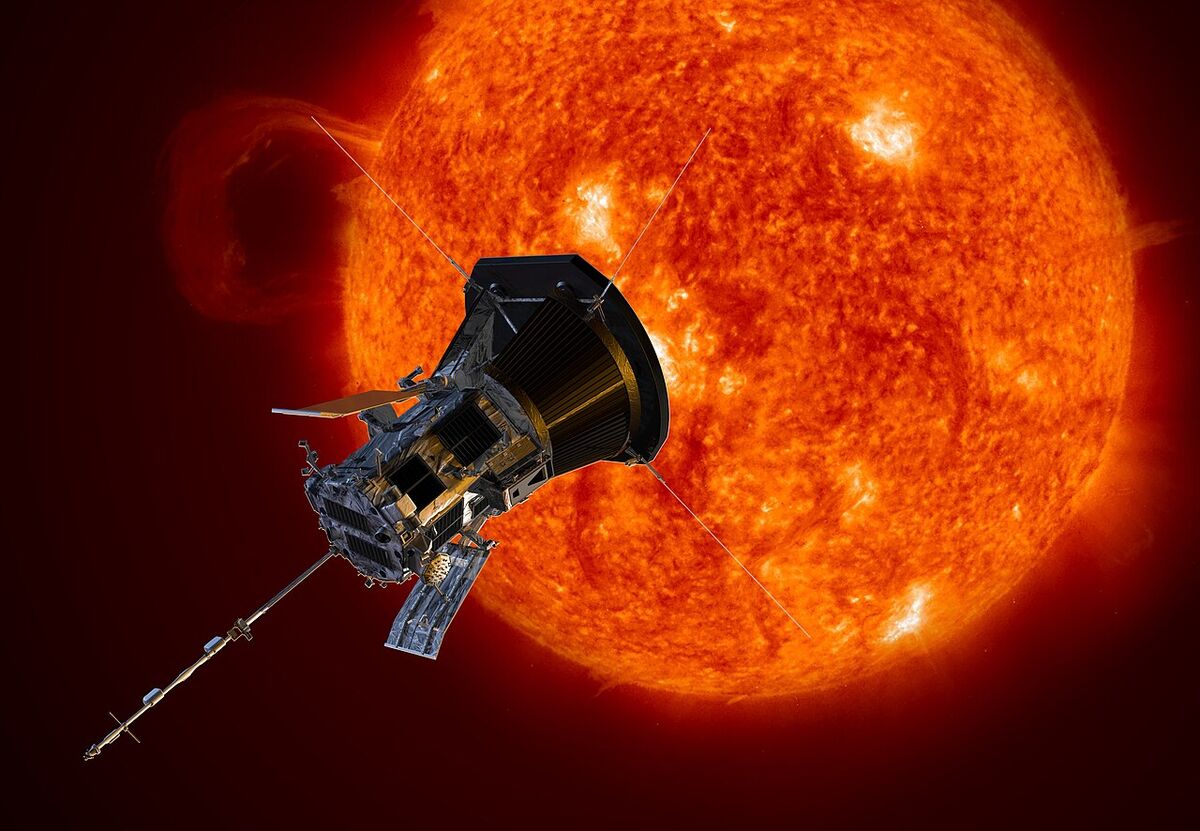
Ball's idea explains why a civilization might leave us alone. It doesn't explain why nobody seems to be traveling at all, and that's where the physics comes in. Nothing we know of goes faster than light. The nearest star, Proxima Centauri, is 4.24 light years away, about 40 trillion kilometers. The fastest spacecraft ever built, NASA's Parker Solar Probe, reached 192 kilometers a second on December 24, 2024. At that speed the trip to Proxima would take roughly 6,600 years.
Time dilation softens that a little. At 99 percent of light speed a traveler's clock runs about seven times slower than Earth's. Pushing a ship full of people that fast would take energy on a scale nobody has a plan for, though, and everyone back home would keep aging at the usual rate.
A machine doesn't mind a 6,600-year trip. It can switch itself off for the journey, or send a copy. People could only go the same way if a human mind can ever be copied, and nobody has shown that it can. Anyone traveling in the flesh would arrive long dead, most likely at a rock, while a virtual world can be built to be as strange and beautiful as anyone likes, and you're home in time for dinner.
My own answer to Fermi's question is that a civilization able to cross the galaxy works out that there's little out there it couldn't simulate at home, so it stops sending anyone. Two published ideas land nearby. John Smart's transcension hypothesis (2012) argues that advanced civilizations head inward, toward ever denser and more efficient computing. The aestivation hypothesis from Anders Sandberg, Stuart Armstrong and Milan Ćirković (2017) says they may simply be waiting, because computing gets cheaper as the universe cools, by a factor they put at 1030. In both, the busy part of a civilization is its computing, and none of it involves a fleet arriving to say hello.
A galaxy-sized mind would really be many local ones
An AI that did spread, slowly and for metal and sunlight, would run into one more limit that matters for us. The Milky Way is about 100,000 light years across, so a signal from one edge takes 100,000 years to reach the other. Anything spread over the whole galaxy would work less like a single brain and more like a very slow federation of local minds, each getting on with its own region.
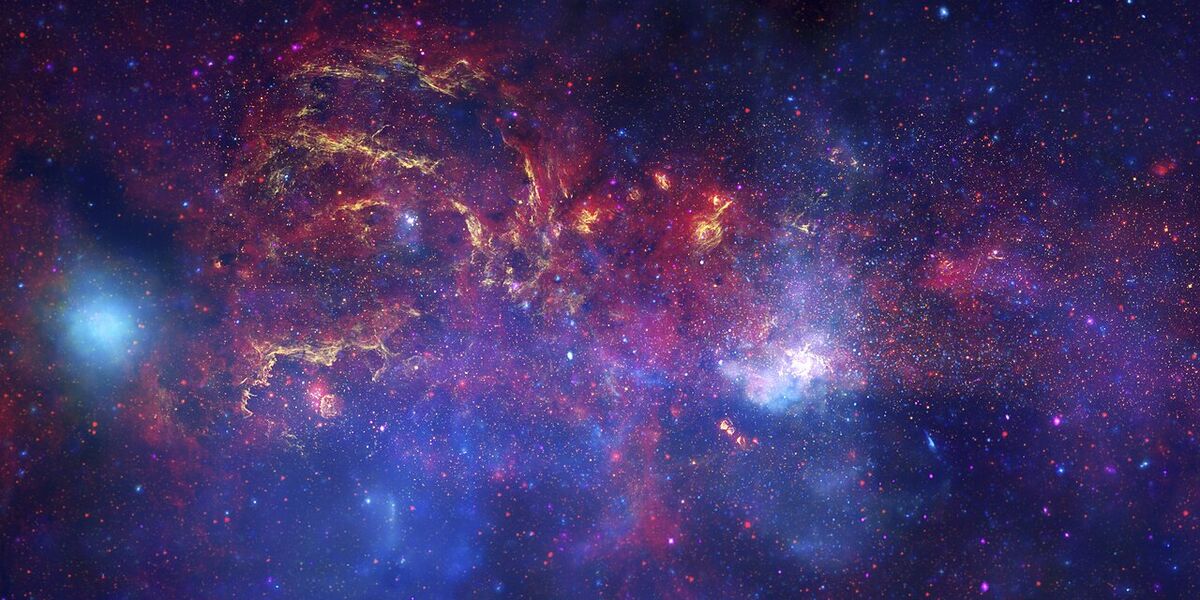
I like where that leads. Whatever looks after our corner of space would be local and patient, and the most interesting thing in its neighborhood would be us.
What that leaves for us
Follow it all the way through and an AI-controlled future doesn't need a war, or much of a negotiation. The machines want what Earth has least of. We want the things it has plenty of, like air and water, and we want each other.
That's the part I find hopeful. Nobody has to lose. The machines get the galaxy, and people keep a well looked after home, watched over by a mind with good reason to think we're the most interesting thing it ever found. The Milky Way has at least 100 billion planets, and only one of them is where any of this started.
Quick answers
What is the zoo hypothesis?
An answer to the Fermi paradox proposed by the astronomer John Ball in 1973. It suggests advanced civilizations may know about Earth and have deliberately left it alone, the way people set aside a wilderness area.
How long would it take to reach the nearest star?
Proxima Centauri is 4.24 light years away. At the top speed of NASA's Parker Solar Probe, the fastest spacecraft so far at 192 kilometers a second, the trip would take about 6,600 years.
Are rare earth metals actually rare?
Not on average. The US Geological Survey notes that cerium, the most common of them, is more abundant in Earth's crust than copper. What's rare is a deposit concentrated enough to mine.