ChatGPT Wallet lets OpenAI's dots buy things for you, but you approve each purchase
Each purchase needs Face ID or Touch ID, but a subscription you approve keeps charging after that.
On November 13, 2026, OpenAI started rolling out ChatGPT Wallet, which lets its dot agents pay for things on your behalf. The ChatGPT account announced it on X at 11:44 am Eastern. For now it's only for ChatGPT Pro subscribers in the US who are 18 or older.
The pitch is that the agent never sees your card. You approve each purchase with Face ID or Touch ID, and only then does Wallet make a stand-in card number for that checkout.
Now your dot can securely complete purchases on your behalf—with your approval. With ChatGPT Wallet, agents pay without access to your actual card details. Every purchase requires a security check. ChatGPT Wallet is rolling out starting today to dots, for Pro subscribers in the US. https://t.co/OnAl3SKQ3n
How a purchase works
You add a credit card once, in a secure form, never typed into the chat. OpenAI's help article lists eligible US-issued American Express, Chase, Mastercard and Visa cards. Debit cards aren't supported, and neither are virtual cards at launch. A Chase card also has to be yours as the primary cardholder.
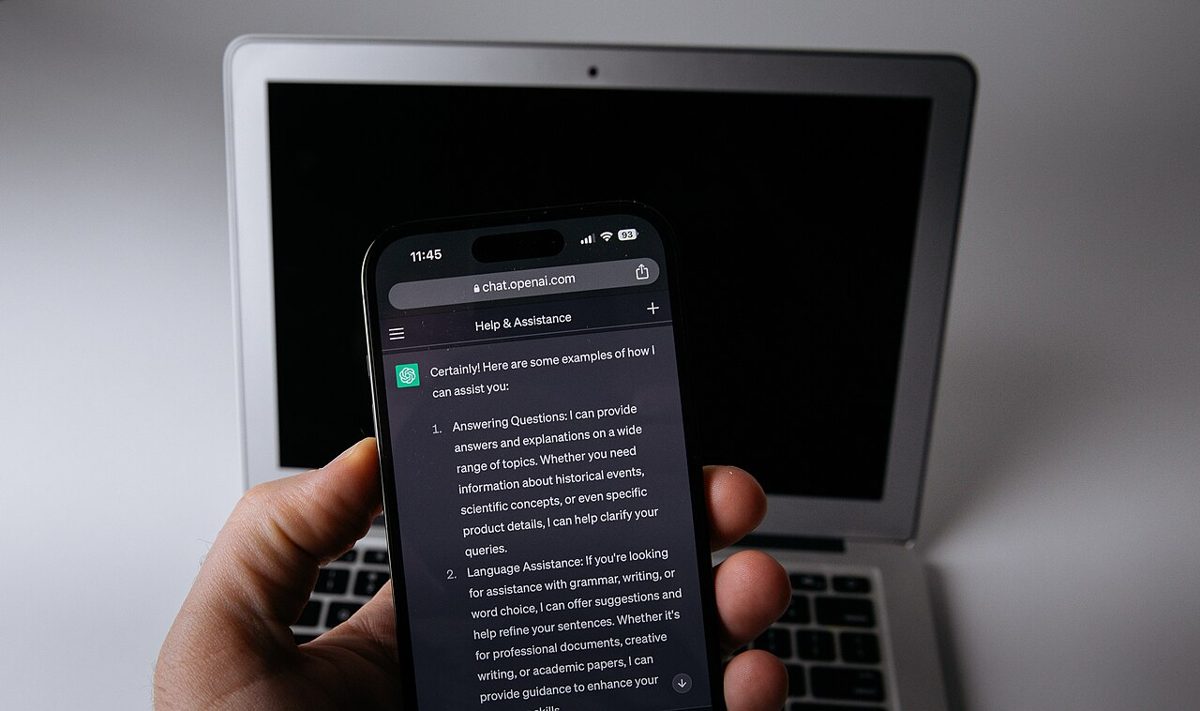
Then you ask your dot for something, like a sweater or a hotel in Chicago. At checkout it shows a request with the merchant, the items, the total, the card and any shipping or recurring terms. You approve with biometrics, and the dot finishes checkout with a payment token in place of your real number.
Wallet only works with dots. OpenAI's help page says it isn't available in Chat, Work or standalone Codex threads yet, and it's rolling out gradually, so an eligible Pro user may not have it.
Greg Brockman's post named the payment partners.
make secure purchases with your dot, in partnership with American Express, Mastercard, and Visa
What your approval does and doesn't cover
The fine print matters more than the launch line. A status of Ready to check out means you've approved. It doesn't mean the merchant placed the order, and OpenAI tells you to look for the merchant's confirmation before trying again.
Recurring payments are the other catch. If you agree to a subscription or payment plan, the merchant may keep the credential and charge it again on the terms you accepted. Removing a card from Wallet doesn't cancel those charges or any order. You have to go to the merchant.
OpenAI also splits the help desk three ways. Order problems go to the merchant, declined or unrecognized charges go to your card issuer, and a purchase that differs from what you approved goes to OpenAI Support.
What it means for your money
Because Wallet only takes credit cards, a bad agent purchase lands in the same place as any other credit card dispute. The Consumer Financial Protection Bureau's guidance on disputes says you have to send a written billing error notice to the card company within 60 calendar days after the charge appeared on your statement. The company then has 30 days to confirm it got your dispute.
That clock is worth knowing before you let an agent shop. I'd read every request in full the first few times, recurring terms most of all, since that's the part Wallet leaves between you and the merchant.
OpenAI's help page says Wallet may not be able to complete checkout at every store.
More on OpenAI
- Helen Toner would vote to remove Altman again, saying the future can't hinge on one CEONovember 14, 2026
- Albanese says Australia will create an AI safety regulator that can impose significant penaltiesNovember 10, 2026
- OpenAI and Anthropic each say an internal AI model disproved the Exponential Time HypothesisNovember 7, 2026
- Altman quotes Amodei's 2024 essay without naming him, and says OpenAI is against the ideaNovember 7, 2026